
 E-Paper



800 commercial units in slums get notices to clear property tax dues
BMC commissioner Bhushan Gagrani had, in his budget speech on February 4, said that the civic body expects to earn ₹350 crore in 2025-26 towards property tax from commercial establishments in slums across the c


Mumbai: The Brihanmumbai Municipal Corporation (BMC) has, for the first time, served attachment notices to around 800 commercial establishments in slums across Mumbai in a bid to recover property taxes. A large proportion of these establishments – such as godowns, workshops, hotels and shops – are fronts for big businesses and the move will help bring them under the taxation net, said BMC officials. But political leaders slammed the move, saying the civic body should go after big defaulters instead of troubling poor Mumbaikars who depend on such establishments for their livelihood.
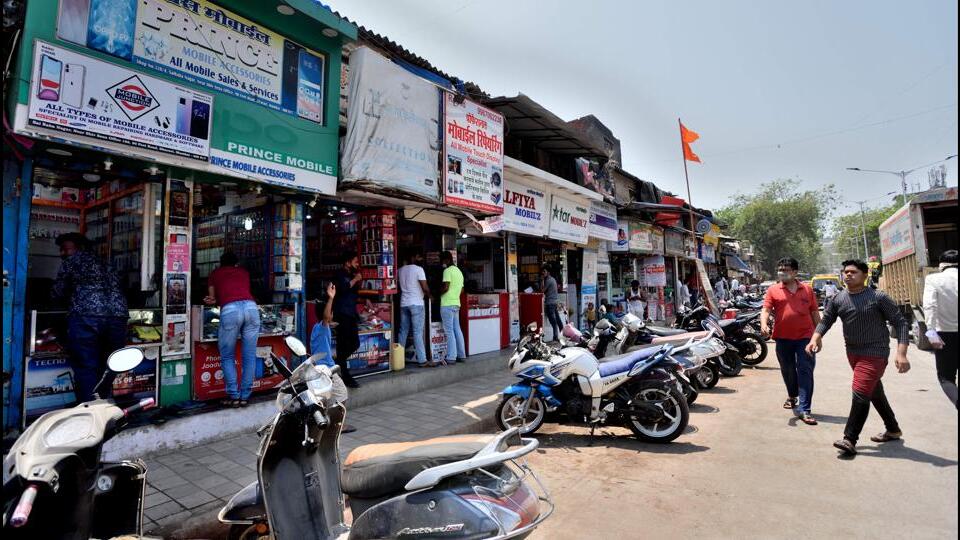
BMC commissioner Bhushan Gagrani had, in his budget speech on February 4, said that the civic body expects to earn ₹350 crore in 2025-26 towards property tax from commercial establishments in slums across the city. Roughly 20% of the 250,000 slum tenements in Mumbai are commercial establishments, concentrated around the eastern and western suburbs, said BMC officials.
According to the Mumbai Municipal Corporation Act, 1888, tax is to be levied on lands, buildings (both raw and concrete), and other properties within the civic body’s jurisdiction. Though the civic body did not levy taxes on commercial establishments in slums till now, assessing and collecting property tax from them was necessary since they benefit from infrastructure services provided by the civic body, said BMC officials.
“Notices have been served to commercial units, asking them to clear their dues as per the area and ready reckoner rates,” said Vishwas Shankarwar, joint municipal commissioner (assessment and collection department). When asked how the move would impact poor slum residents who own many of the establishments, Shankarwar said, “Very few establishments actually cater to their livelihood. In fact, many are godowns of big establishments and many have ancillary activities.”
But Ravi Raja, former corporator and opposition leader in the BMC, said poor slum residents who run shops from their homes would be hit hard. In a letter to Gagrani on January 15, he stated that slum residents were the most affected by the pandemic and were just emerging from the crisis. “Bringing them under the property tax net now is very wrong,” he stated in the letter.
Raja told HT that he had no problems with godowns of big businesses being seized. “But if a poor man is using his tenement in a residential area as a kirana shop, it should not be taxed,” he said.
The former corporator said that if the civic body really wanted to increase its income, efforts should be made to recover taxes from big defaulters who owe over ₹5000 crore, and their property should be confiscated. “But don’t bother the poor Mumbaikar just for ₹350 crore,” he said, urging the civic body to back off from taxing commercial units in slums.
Some citizens also raised concerns about the move, saying levying property taxes would legalise unauthorised structures in slums. But officials clarified that this would not be the case, as section 152(A) of the Mumbai Municipal Corporation Act states that collection of taxes and penalties from illegally constructed buildings does not imply that the said construction is legalised.

Stay updated with all the Breaking News and Latest News from Mumbai. Click here for comprehensive coverage of top Cities including Bengaluru, Delhi, Hyderabad, and more across India along with Stay informed on the latest happenings in World News.


