
 E-Paper



After turbulence owing to Covid pandemic, domestic air travel makes a gradual comeback
India’s domestic air travel passenger volume in September rose to a robust 79.20% to 70.66 lakh – as compared to 39.43 lakh passengers in the same month of 2020 – aided by increased Covid vaccination rates, easing some more travel restrictions and demand bolstered by the festive season


After facing turbulent weather for nearly a year-and-half owing to the outbreak of the Covid-19 pandemic, the domestic aviation industry is finding tailwinds with the demand for air travel making a gradual comeback.
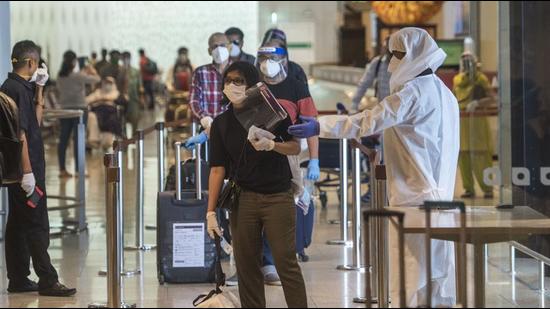
India’s domestic passenger volume in September rose to a robust 79.20% to 70.66 lakh – as compared to 39.43 lakh passengers in the same month of 2020 – aided by increased vaccination rates, easing some more travel restrictions and demand bolstered by the festive season. Moreover, the domestic air traffic reached its highest single-day level at 327, 923 on October 17 since the beginning of the pandemic in March last year.
Experts said the increase in domestic passenger volumes coupled with privatisation of Air India, launch of a new ultra-low-cost airline and relaunch of Jet Airways in its 2.0 version next year translates into possibilities of more job opportunities in all categories of the aviation business – be it for pilots, cabin crew, engineers and ground handling, among other.
The industry has suffered losses due to the two waves of the Covid-19 pandemic, which brought air travel to the ground. The Indian government banned domestic air travel for nearly two months in late March last year and suspended scheduled international air services to and from India as a response to other governments’ travel and visa restrictions. The aviation industry, as a result of losses incurred, resorted to cost-cutting measures with layoffs, huge salary cuts and a forced Leave Without-Pay (LWP) programme, among others. Private airport operators also issued pay cuts to their employees.
After the second wave subsided around July and the government pushed for administering more vaccine doses across the country that subsequently pushed up vaccination rates, people gradually took to flying again leading to higher passenger numbers month on month.
With the restoration of 100% capacity for domestic flights by the civil aviation ministry from October 18, experts believe that the move will allow airlines to serve a wider market and in turn, will encourage air travel further. More travel means more flights, more seats and more jobs going forward but the hiring pattern will be different than seen in the market before the pandemic, say industry experts.
“Hiring is more or less limited to the new start-ups as of now because existing companies are still not fully operationalising their fleet,” said Kapil Kaul, chief executive officer at CAPA India, an aviation research and advisory firm.
According to Kaul, the demand for hiring will take place only once current airlines expand their fleet as there is a significant surplus in most of the technical staffing categories as of now. “Overall, we will see hiring resuming in a more meaningful manner in 2023,” Kaul said.
For the country’s largest airline by market share IndiGo, lifting capacity restrictions is a positive step. “We have started to selectively re-hire,” confirmed an IndiGo spokesperson, “amid the airline commencing operations to various domestic destinations that it was not flying to in the pre-pandemic days.”
“Our current hiring efforts are broad-based and cover several functional roles. At locations that we have now commenced operations, we hire for airport operations, customer service and security functions,” the airline said.
“We have also commenced re-hiring for our cargo business as it continues to grow,” said the spokesperson, adding the recruitment are also on for roles across corporate functions such as digital, information technology, finance, human resource and sales.
According to the budget carrier, its Cadet Pilot Program, from where it draws fresh talent for the cockpit, continued even during the pandemic. “IndiGo firmly believes in developing its talent and we have very focused attention on internal upgrades to captains and upwards including to positions such as line training captains, designated examiners, etc,” the spokesperson said.
GK Chaukhiyal, head of academics at the Amethi-based Rajiv Gandhi National Aviation University too said the industry has started hiring a workforce as it seems to be coming out of the woods. “As many as 19 of our 24 students who finished their studies in May have been picked up by top airlines and even tier-1 airports,” said Chukhiyal.
“It has been observed that the stakeholders are currently preferring to hire freshers instead of the experienced, he said, adding that “pilots’ recruitments are slow but they are expected to pick up in the coming months.”
“Easing out the airline Covid norms will have a positive impact on the hiring by the industry and we are expecting the sector - airline and aero engineering sector to pick up by fourth quarter (Q4),” said Gautam Vohra, vice president and business head, telecom & engineering staffing at TeamLease Digital, an employment portal that deals with entry-level and blue-collar jobs in all metropolitan cities.
Vohra added that with investment and new private players coming into the airline space and new airports getting operational there will be demand for talent in the areas of IT infrastructure focussed on the aviation industry, ground staff engineering and networking.
Expecting 20% increase in hiring in the March quarter, he said, is likely to be back to the pre-pandemic level by the next fiscal. “The industry will be looking at ramping up their engineer pool on the O & M front, IT infrastructure. As India plans to have 100 Airports by 2024 it will give a boost to more hiring in Tier 2 / 3 cities as well,” he added.
Stay updated with all the Breaking News and Latest News from Mumbai. Click here for comprehensive coverage of top Cities including Bengaluru, Delhi, Hyderabad, and more across India along with Stay informed on the latest happenings in World News.


