
 E-Paper



Dharavi hospital resumes haemodialysis, but new PPP model faces criticism
The BMC says that this move will allow the hospital to resume offering the service, which had stopped due to administrative reasons. However, activists and patient groups have slammed the involvement of private players as privatisation of essential healthcare

 Prefer HTon Google


Mumbai: Eight months after its hemodialysis services shut down, the Loknete Eknathrao Gaikwad Urban Health Centre at Dharavi has restarted the services, but now under a Public-Private Partnership (PPP) model. Hemodialysis is a complex procedure which involves filtering waste products and excess fluids from the blood in cases of kidney failures.
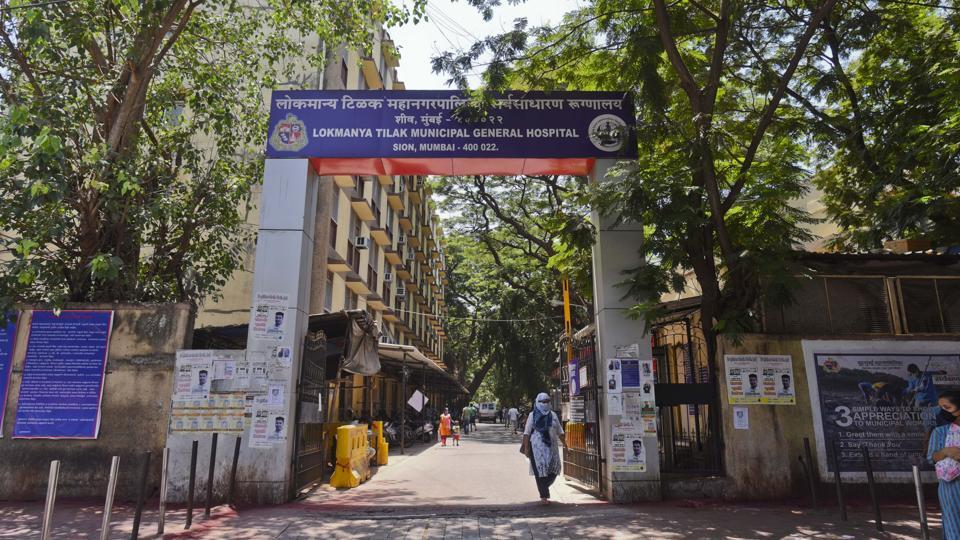
The Brihanmumbai Municipal Corporation (BMC) and the Lokmanya Tilak Municipal General (LTMG) Hospital in Sion which manages the centre have let a private owner take over their dialysis unit following a tender process that was extended till August 19.
Under the new model, patients without coverage under the Mahatma Jyotiba Phule Jan Arogya Yojana (MJPJAY) scheme, and those not holding yellow or orange ration cards will be charged ₹1000 per dialysis session. Dean of LTMG Hospital, Dr Mohan Joshi said, “Every citizen who is under MJPJAY and ration card holders will be able to access the centre for dialysis for free, the rest will have to pay the designated amount.”
As per the tender, for the next decade, doctors for the dialysis centre will be provided by the Sion hospital, while the private player will handle the centre’s administrative and operational needs. The LTMG Hospital also plans to run its dual energy CT scan facility in Sion hospital on a PPP basis with doctors handling the diagnostic services and a private partner taking care of the rest. Going forward, citizens will have to pay ₹1200 for every scan at the centre.
The BMC says that this move will allow the hospital to resume offering the service, which had stopped due to administrative reasons. However, activists and patient groups have slammed the involvement of private players as privatisation of essential healthcare. They argue that the cost burden will fall heavily on vulnerable patients in Dharavi who depend on municipal hospitals for affordable treatment.
“The BMC has a history of outsourcing essential treatments such as hemodialysis. For many patients, this is a lifelong procedure that often requires weekly or even more frequent sessions. At around ₹1,000 per session, the costs can become crippling for those who depend on civic hospitals,” said Dr. Abhay Shukla, national co-convenor of Jan Swasthya Abhiyan, a coalition of NGOs and healthcare professionals.
According to Shukla, a large number of the city’s residents, including seasonal migrants, do not have ration cards. For them, this policy shift could mean losing affordable access to lifesaving care. Shukla said that these centres also treated patients coming all the way from areas like Mumbra or Thane. “Instead of outsourcing, BMC should strengthen its own healthcare capacity and provide such services in-house to ensure costs don’t escalate for the public,” he said.
Shukla added that as lifestyle diseases such as diabetes rise, more of the urban population is developing kidney failures, making hemodialysis an essential service. “It is critical that such treatment remains affordable and widely accessible to those who need it the most,” Shukla said.
The BMC has also decided to privatise several crucial services in its suburban hospitals under what it calls the ‘Civic Health Collaboration Model’. The move, which officials stress is not a public-private partnership, will hand over operations such as hemodialysis, cardiology departments with cath labs, sonology, MRI and CT scans, and blood banks to private players.
The scheme will cover peripheral civic hospitals including Dr. Ambedkar Hospital (Kandivali), Rajawadi (Ghatkopar), Bhabha Hospital (Bandra and Kurla), MT Agarwal Hospital (Mulund), and Bhagwati Hospital (Borivali). Contracts will initially run for 30 years, with a review at the 10-year mark.
The biggest effect of this policy is that low-cost services will now be available only to holders of yellow and orange ration cards, classified as BMC patients. Until now, subsidised diagnostic and treatment facilities were accessible to all.
While civic officials have stated that the model will reduce manpower costs and improve efficiency, activists argued that the move amounts to privatising public assets built with taxpayer money. “There have been studies done on the fact that these models reduce accountability and will lead to a significant impact of lessening accessibility of healthcare to the public,” said Shukla.

Stay updated with all the Breaking News and Latest News from Mumbai. Click here for comprehensive coverage of top Cities including Bengaluru, Delhi, Hyderabad, and more across India along with Stay informed on the latest happenings in World News.


