E-Paper



MPCB to deploy seven continuous ambient air quality monitoring mobile vans in Mumbai
This initiative comes in response to growing concerns among citizens about ambient air pollution, especially particulate emissions

 Prefer HTon Google


Mumbai: With the India Meteorological Department announcing the withdrawal of monsoon on Tuesday and air pollution levels expected to rise, the Maharashtra Pollution Control Board (MPCB) has acquired seven mobile vans that will continuously monitor ambient air quality in the city. This initiative comes in response to growing concerns among citizens about ambient air pollution, especially particulate emissions.
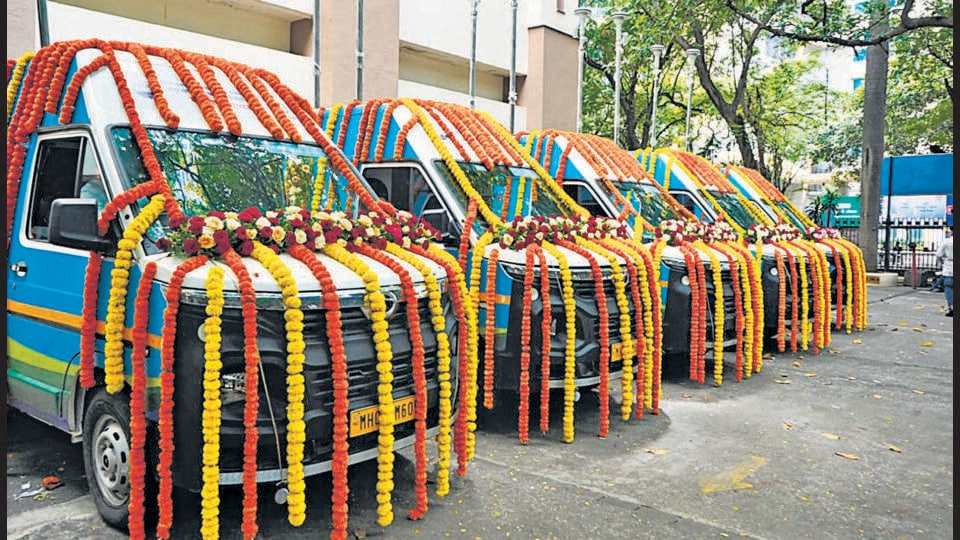
As winter approaches, complaints about air quality are expected to begin pouring in, particularly through online platforms, making the need for efficient monitoring urgent. Citizens are becoming increasingly aware of the harmful effects of air pollution, and many have voiced their concerns about particulate matter and other pollutants affecting their neighbourhoods.
However, the MPCB has faced difficulties in swiftly investigating these complaints due to limitations in existing infrastructure and the inefficiency of traditional manual monitoring methods, which are both time-consuming and slow to produce actionable results.
“To address these challenges, MPCB has equipped five new vans with state-of-the-art PM10 and PM2.5 analyzers, while the remaining two are designed specifically for monitoring ozone at ground level,” said MPCB chairman Siddhesh Ramdas Kadam. “These advanced mobile units will allow for real-time data collection and analysis, enabling MPCB to respond more quickly and effectively to air quality concerns.”
This technological upgrade will provide crucial insights into pollution patterns and sources, helping authorities make informed decisions and take prompt corrective actions.
By enhancing its monitoring capabilities, the MPCB aims to ensure a healthier environment for all citizens, said Kadam. “It is essential that we respond to the concerns of the public with the urgency they deserve, and these mobile units will play a key role in achieving that goal.”
These advanced technological tools will also facilitate real-time data collection and analysis, enabling the MPCB to investigate air quality complaints more thoroughly and initiate appropriate actions promptly.
This real-time monitoring capability is crucial for understanding pollution trends and identifying sources of emissions. The vans will be deployed strategically across different regions of Mumbai, focusing on areas where the highest number of complaints have been recorded.
As per MPCBs readings, the ambient air quality index (AQI) on Tuesday at the Bandra Kurla Complex was “moderate” at 115, followed by 80 at Kherwadi in Bandra (East). Surprisingly, Chembur, known for its refineries and rampant construction activities, showed the lowest AQI level at 40, which is rated as “good”. The eastern suburb had recorded the worst AQI in the city in January–at 263. The overall AQI level for Mumbai on Tuesday was “satisfactory” at 56.
An AQI from 0-50 is considered “good”, 51-100 is “satisfactory”,101-200 is “moderate”, 201-300 is “poor”, 301-400 is “very poor”, and 401-500 or above is “severe”.