
 E-Paper



Mumbai CCTV network to get AI upgrade with facial recognition, number plate detection
Hyderabad-based GVPR Engineers will implement the third phase of Mumbai’s CCTV project, introducing AI-based video analytics and advanced surveillance features by February 2027


Mumbai’s CCTV surveillance network is set for a major upgrade, with the state government appointing Hyderabad-based GVPR Engineers Ltd to implement the third phase of the Mumbai City Surveillance Project at a cost of ₹2,098.92 crore. The project, expected to go live in February 2027, will introduce artificial intelligence (AI)-enabled features, including facial recognition, automatic number plate recognition and red-light violation detection.
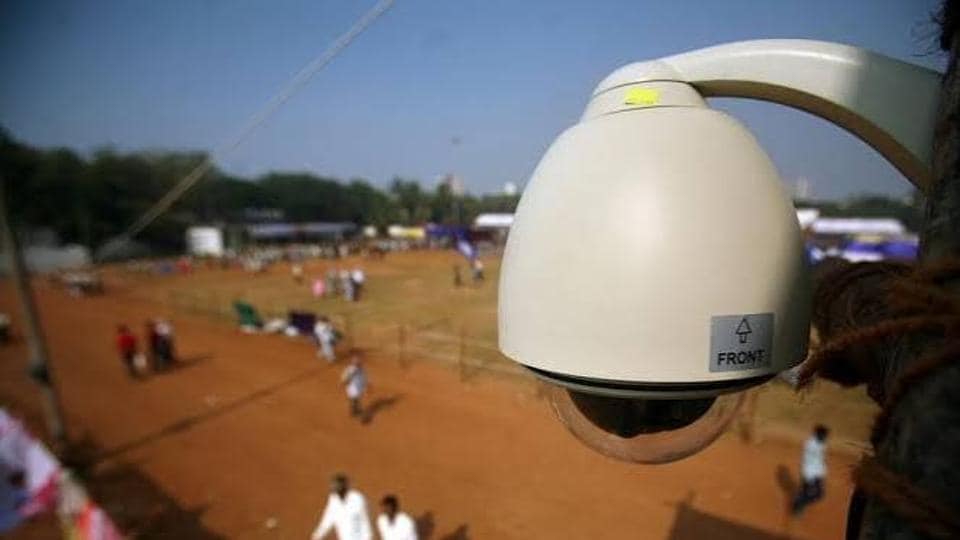
The third phase will build on the surveillance infrastructure established over the past decade, with Larsen & Toubro (L&T) having implemented the first two phases. The project was originally conceived following the 26/11 terror attacks in Mumbai, based on the recommendations of the Ram Pradhan Committee, which called for strengthening the city’s security through a network of CCTV cameras.
“The third phase will see surveillance network upgradation with advanced, top-end cameras and AI-enabled features such as facial recognition, thermal imaging, automatic number plate recognition and red-light violation detection. It will also introduce the detection of two-wheelers jumping signals, which was missing until now. The project will also focus on collaborative policing, with provisions for sharing surveillance data among agencies, including BMC and other government establishments in the city,” said an official from the home department.
The home department is also planning to facilitate the sharing of CCTV surveillance feeds from private establishments such as star hotels, corporate houses and malls, among others.
“This will help to improve coordination in security and traffic management as part of the collaborative policing,” the officer added.
The first phase, which went live in October 2016 at a cost of around ₹980 crore, saw the installation of 5,442 cameras across the city. It included a central command and control centre, data centres and a vehicle tracking system, enabling the police to monitor live footage and use recordings for crime detection, investigations and traffic management.
In the second phase, L&T was entrusted with installing another 5,935 cameras at over 2,300 additional locations, particularly in areas that remained uncovered. Of these, 5,069 cameras had been installed, taking the total number of cameras under the first two phases to over 10,500. The second phase was sanctioned at ₹323 crore. The network was also expanded through the integration of CCTV feeds from private establishments such as hotels and malls.
The officer said that the third phase would add more surveillance locations across the city and, after its implementation, Mumbai would become one of the few cities in the world to have one of the largest CCTV networks. “With a population of more than 2 million, this robust network has proven to be a major helping hand in controlling crime. If required in the future, there will be one more phase implemented,” he said.
Stay updated with all the Breaking News and Latest News from Mumbai. Click here for comprehensive coverage of top Cities including Bengaluru, Delhi, Hyderabad, and more across India along with Stay informed on the latest happenings in World News.


