
 E-Paper



Structurally sound buildings can’t be declared dilapidated: HC to MHADA
The Bombay High Court rebuked the Maharashtra Housing and Development Authority (MHADA) on Tuesday for hastily declaring several properties on Shuklaji Street in Tardeo as dangerous based solely on visual inspection, subsequently proposing their redevelopment without due process

 Prefer HTon Google


Mumbai: The Bombay High Court rebuked the Maharashtra Housing and Development Authority (MHADA) on Tuesday for hastily declaring several properties on Shuklaji Street in Tardeo as dangerous based solely on visual inspection, subsequently proposing their redevelopment without due process.
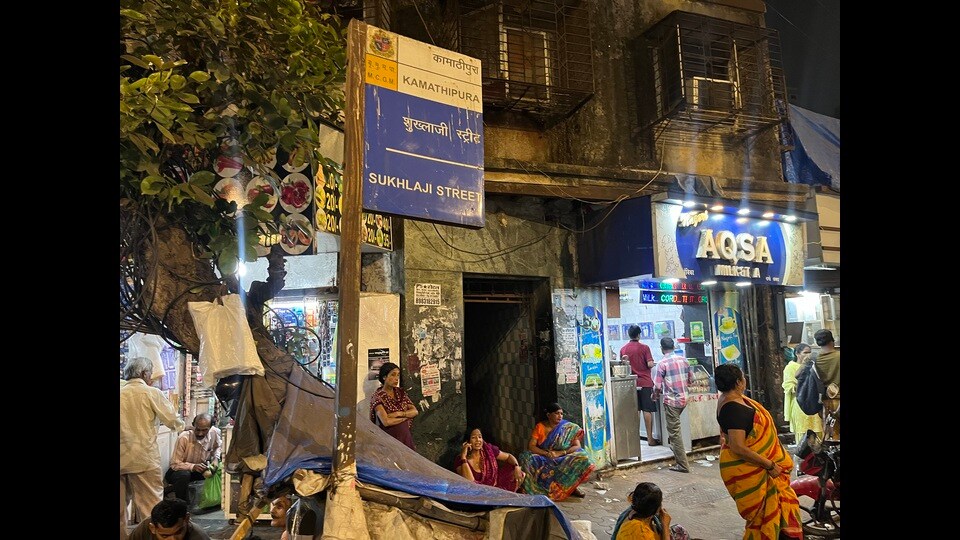
“Buildings that are structurally sound cannot be determined unsafe,” said the bench of justice Gautam Patel and justice Kamal Khata. The bench said the approach was “completely perverted; the owner of the property has a right to redevelop as per his choice. Therefore, it is necessary to give them a hearing before such a decision is made,” the court added.
With these observations, the court directed MHADA to notify all concerned parties about the structural condition of buildings on Shuklaji Street and provide owners with an opportunity to present their case.
The court was addressing petitions filed by building owners challenging MHADA’s declarations of their properties as dangerous under Section 79A of the MHADA Act, 1976, on August 18.
The petitioners argued that MHADA officials inspected the buildings on August 18 and hastily labeled them “dangerous” on the same day without allowing the owners an opportunity to be heard. Later, a notice on September 13 proposed redevelopment under Section 79A, a move contested as contrary to due legal process.
Section 79A mandates compulsory redevelopment for cessed buildings declared dangerous by MHADA or its repair board. Property owners receiving such notices have three months to initiate redevelopment, after which occupants have an additional six months to propose redevelopment if the owner fails to act.
However, in this case, the building owners did not initiate redevelopment within the specified period, prompting MHADA to take action under Section 79A. The petitioners argued that this provision only applies to cessed buildings, while many structures in the area are not categorised as such.
Cessed buildings are those that are maintained and repaired by the Mumbai Building Repair and Reconstruction Board of MHADA, for which tenants pay cess to the housing authority.
MHADA’s repairing board countered, claiming the buildings in question are indeed cessed and must be redeveloped due to their deteriorated state. A similar stance was also taken by tenants of one of the buildings- Gyasuddin Nagar Sultana building, represented by advocate Sujit Bugade. According to him, the argument that only three of the four structures are cessed is incorrect. The structure was declared as a cess structure way back in 2012. Moreover, there is a civil dispute pending before the district court against the absolute ownership claim of the building owner, he added.
In a previous hearing, the court noted several disputed claims by MHADA, pointing out that the repair board’s declaration relied solely on a visual inspection, raising concerns about its credibility. Moreover, the notice was issued to a larger number of buildings than the mere three cessed ones, and the Municipal Corporation of Greater Mumbai hadn’t made a similar declaration, further questioning the validity of MHADA’s action.


