
 E-Paper



Visible threats and invisible threads: What Uddhav needs to do next
The SC’s scathing attack on the role of the former governor and its observations about procedural lapses in the formation of the current government is an important precedent in constitutional law. It also underlined the fact that Uddhav Thackeray’s decision to resign as chief minister before a floor test, was wrong, leaving no scope for a legal remedy.

 Prefer HTon Google


The Supreme Court’s decision on Thursday, citing its inability to restore the Maha Vikas Aghadi (MVA) government in Maharashtra– despite a staunch attack on the manner in which it was toppled– was celebrated by Eknath Shinde-led Shiv Sena and the BJP. For the Uddhav-led Sena however, it only deepens the ditch they find themselves in. Other than sympathy, they hope to garner, they get little from the Supreme Court’s order.
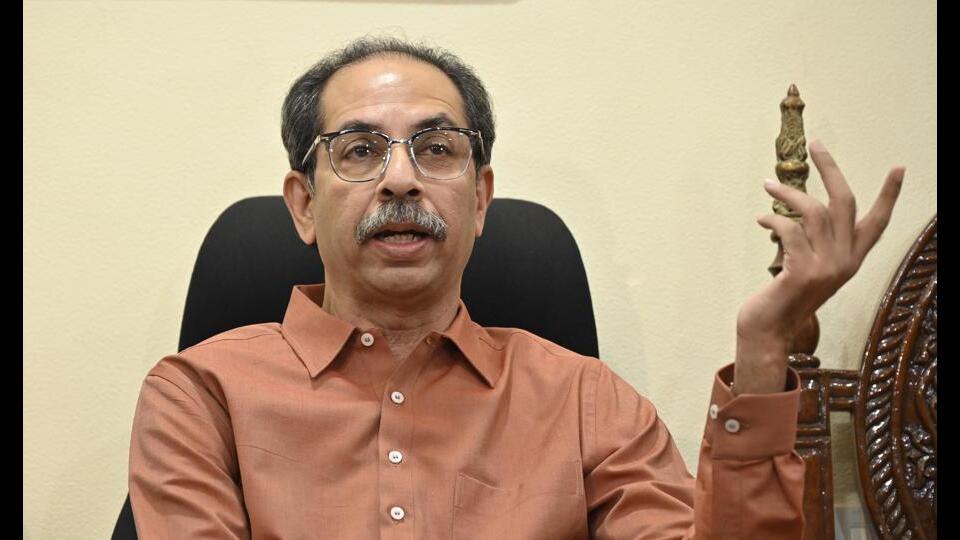
The SC’s scathing attack on the role of the former governor and its observations about procedural lapses in the formation of the current government is an important precedent in constitutional law. It also underlined the fact that Uddhav Thackeray’s decision to resign as chief minister before a floor test, was wrong, leaving no scope for a legal remedy.
What it also means is that if he has to salvage his career, his party and his pride, Uddhav will have to start from scratch. He has not only lost MLAs but also the name and symbol of the party his father created. Sympathy for his decency and his handling of the pandemic in Mumbai are two factors that are still in his favour.
The verdict however, highlighted once again, the huge distinction between crude political realities and a moral appeal. What is the role of morality in political outcomes today? Are sympathy and likeability enough to win elections? And most importantly, can Uddhav and other MVA partners still find common purpose out of power?
The Shiv Sena functions as a party and a movement at the same time. It is possibly the only party in the state that commands a strong cadre at the grassroots with the shakhas functioning as its nervous system. If Uddhav has to rebuild the party, his team has to rebuild the immense trust among sainiks and local leaders. While this might seem easy in the Mumbai-Thane belt where the shakhas are well established, it is a gigantic challenge in the rest of Maharashtra as the Shinde faction has managed to poach most MLAs who command strong local influence elsewhere. While public rallies are an excellent way of creating media spectacle, Uddhav Thackeray needs to be conscious of the fact that crowds do not necessarily translate into electoral outcomes.
The Shinde-BJP combine is an excellent consolidation of power at the formal and the informal level. With a huge control over power and a considerable hold over brokerage and patronage networks at the local level, Shinde does have a well-oiled machinery to fight elections today. At a time when the role of money and muscle is only growing in elections, this is a big asset.
Even as Bal Thackeray’s charisma and Sena’s Hindutva has a strong appeal in Maharashtra, the party’s organisational structure beyond the Mumbai-Thane belt was largely built by local leaders. Uddhav now faces the herculean task of identifying, recruiting and building a parallel leadership to fight the challenge that the MLAs from the Shinde faction pose. With the battle for the symbol and name lost, retaining his existing support base is also going to be difficult as he navigates uncertain waters with no formal identity other than his Thackeray surname.
A considerable amount of effort would also have to be put into improving the communication between the Thackerays and the common party worker. Since Uddhav took over the reins of the party, there have been numerous charges of disconnect between the grassroots worker and the top leadership. To change this, Uddhav and Aaditya will have to become much more accessible leaders and will have to venture out of the comforts of Matoshri.
While ideological pragmatism has been a crucial aspect of Shiv Sena’s style of functioning, Uddhav will now have to define what his party stands for. At the same time, he will have to reclaim his bargaining power within the MVA especially after the verdict and in the backdrop of internal skirmishes within the alliance partners.
As Bal Thackeray’s heir apparent, Uddhav will have to translate the sympathy and appeal he commanded to address the above-mentioned challenges. What he still has in his favour are what Nietzsche call, ‘Invisible threads that are the strongest ties…’
*Dr. Sanjay Patil’s doctoral work looks at the journey of Shiv Sena between 1985 and 2022. He works at the University of Mumbai and has been chronicling the Shiv Sena’s journey for the last ten years.


