
 E-Paper



One health care worker for monitoring each critical Covid-19 patient, says govt’s clinical guidelines
The Delhi government has been trying to recruit more doctors and nurses – including final-year students – to staff hospitals that are grappling with staff shortage. Staff crunch was a major concern raised by medical directors of Delhi government-run Covid-19 hospitals while trying to increase ICU and ventilator beds.


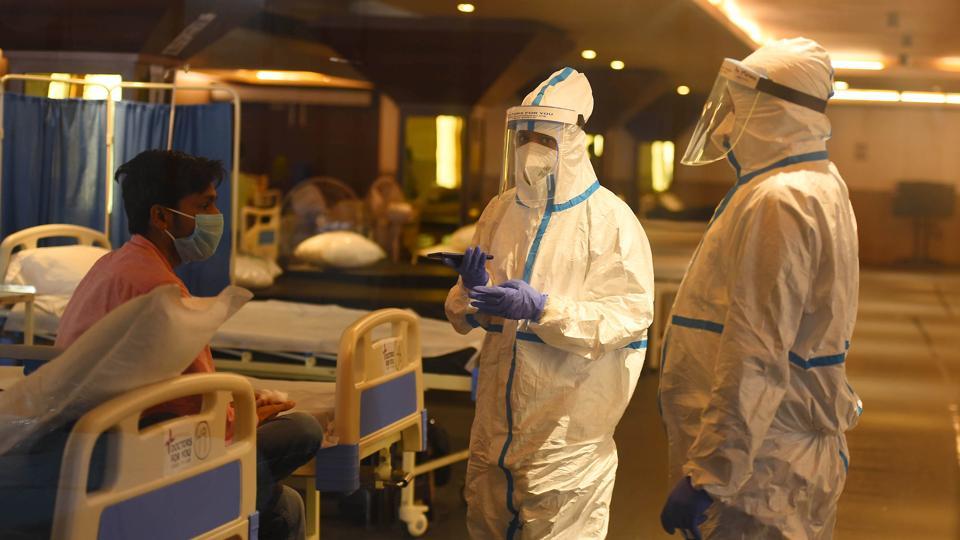
New Delhi: One health care worker must be assigned for round-the-clock monitoring of each critical patient with the coronavirus disease (Covid-19), according to “in-hospital” management guidelines issued by the Delhi health department on Tuesday.
The advisory issued by principal health secretary Vikram Dev Dutt also says the guidelines have to be followed by both government and private hospitals.
Also read| Covid-19: What you need to know today
The Delhi government has been trying to recruit more doctors and nurses – including final-year students – to staff hospitals that are grappling with staff shortage. Staff crunch was a major concern raised by medical directors of Delhi government-run Covid-19 hospitals while trying to increase ICU and ventilator beds.
A technician and a dialysis machine must be available for critical care patients. “Continuous renal replacement therapy or sustained low-flow dialysis with technician to be available as most of critical Covid-19 patients with ARDS (acute respiratory distress syndrome) patients develop acute kidney injury,” the guidelines say.
The guidelines also state that an internal death audit committee should be formed to look at reducing mortality. With the number of Covid-19 patients on the decline, the government is now working towards reducing deaths from the viral infection.
Click here for complete coronavirus coverage
“The recovery rate of patients is increasing very fast. Earlier, in 100 tests, 35 used to test positive, whereas now only 7 or 8 people out of 100 are found to be positive. The number of fatalities due to Covid-19 has decreased. In mid-June, there were about 101 deaths per day but there are about 40 deaths now. All of us together have to reduce it further,” said chief minister Arvind Kejriwal said on Tuesday at the inauguration of a plasma bank at Lok Nayak hospital.
A clinical review committee should be set up to review and standardise care and clinical outcomes on a periodical basis, the advisory says.
Real-time monitoring of oxygen saturation of all patients has to happen and steps need to be taken immediately if it drops, the guidelines say. Hospitals have been asked to standardise investigation protocol for all patients so that sampling does not remain incomplete as well as use tele-consultation services provided by the All India Institute of Medical Sciences for treating physicians.
Also read: Beds empty in private hospitals as Delhi builds Covid capacity
Checklists and charts should be maintained to ensure proper infection control.
At the time of admission, patients’ oxygenation has to be monitored, they have to be triaged effectively with high priority being given to high-risk individuals such as the old, pregnant women, those who are immunosuppressed, cancer and transplant patients, and patients with comorbidities, the document says.


Stay updated with all top Cities including, Bengaluru, Delhi, Mumbai and more across India. Stay informed on the latest happenings in World News along with Delhi Election 2025 and Delhi Election Result 2025 Live, New Delhi Election Result Live, Kalkaji Election Result Live at Hindustan Times.


