
 E-Paper



Chhattisgarh Protection of Mediapersons Bill likely to be tabled in assembly
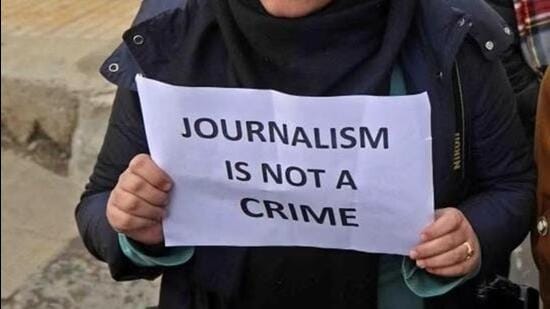
The Chhattisgarh Protection of Mediapersons Bill is likely to be tabled in the state Assembly in the ongoing budget session


The Chhattisgarh Protection of Mediapersons Bill, which will cover all journalists , freelancers , photographers and anyone who is working for mass media or any media establishment in the state, is likely to be tabled in Assembly in the ongoing budget session, officials familiar with the development said.
In 2020, the draft committee, headed by justice Aftab Alam, submitted the Bill to the state government which was sent to the secretaries committee for further suggestions.The draft committee was formed in March 2019 by the Congress government.
“The secretaries committee which includes senior government officials recommended some changes and was again submitted to the government a few weeks back. After these changes, the draft bill is now with the law department and is likely to be tabled in assembly in this budget session,” said a senior official of the Chief Minister’s Office (CMO), on the condition of anonymity, adding that the proposed law will be a landmark for the protection of journalists of the state.
As per the draft, which was submitted to the state government in 2020, any public servant who ‘wilfully neglects duties’ mentioned under the rules shall be punished with imprisonment which may extend to one year.
The draft further states that the offences under this Bill shall be cognisable and bailable and will be investigated by an officer not below the rank of a deputy superintendent of police (DSP).
The earlier draft in the chapter ‘ Eligibility of Mediaperson’ said that anyone is considered as a mediaperson who have published six articles in mass media in last three months or, anyone who have received three payments from media establishments or anyone who have taken photographs that have been published in mass media three times in the last three months or columnists or freelancers whose work has been published six times in mass media in last six months or persons who have reported news or views for mass media six times in the last three months or persons who have a valid identity card or a letter from a media establishment certifying that the applicant is currently employed by them.
After the Bill is passed the government will constitute a Committee for the Protection of Mediapersons to deal with complaints of harassment, intimidation or violence, or unfair prosecution and arrests of mediapersons.
In 2017, the Maharashtra government passed the Journalist Protection Act which was struck down by the President of India questioning the reason behind the special Act for protection of journalists if there is already a provision of punishment for cognisable and non-cognisable offences in the Criminal Procedure Code (CrPC) and the India Penal Code (IPC)
Officials in Chhattisgarh believe that the Maharashtra Journalist Protection Bill talks about amending the IPC and CrPC , which is very complicated. “This is the only reason, the Maharashtra Act is pending with the President of India but we have not made such a mistake,” said another official.
-kW0H-U20214218012MgB-250x250%40HT-Web.jpg)


