
 E-Paper



MCG directs BWGs to process waste within their premises or pay fines
The directive is part of a broader initiative aimed at enhancing the city’s waste management system. The MCG, in its ongoing effort to enforce these rules, has already fined 288 violators a total of ₹1,66,500, which has been collected from them


Gurugram: Amid a waste management crisis in the city, the Municipal Corporation of Gurugram (MCG) has issued strict directives to bulk waste generators (BWGs), mandating that all waste generated by residential societies and commercial establishments must be processed within their premises. Failure to comply will result in penal action under the Solid Waste Management Rules, 2016, officials aware of the matter said.
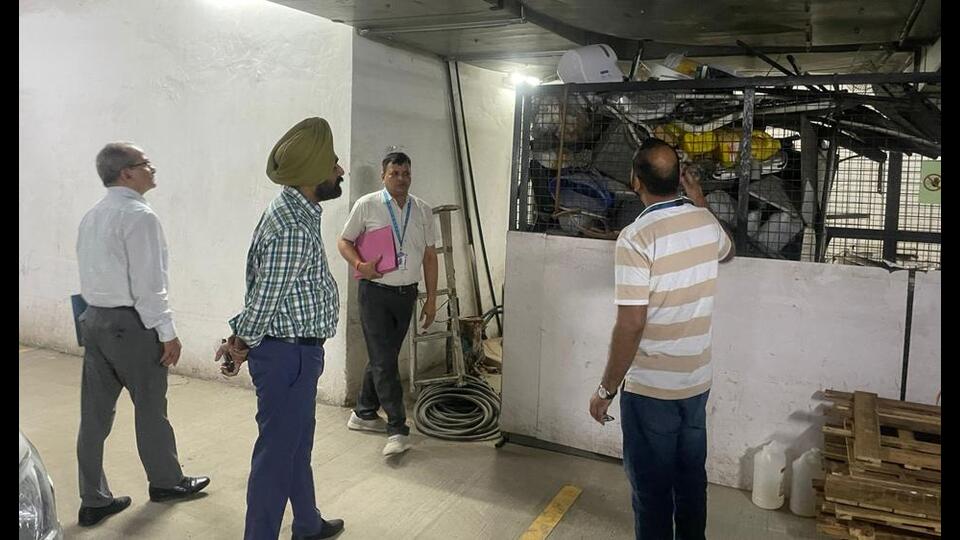
The directive is part of a broader initiative aimed at enhancing the city’s waste management system. The MCG, in its ongoing effort to enforce these rules, has already fined 288 violators a total of ₹1,66,500, which has been collected from them. The MCG is also ensuring that no waste is sent out without proper processing, in line with guidelines set by the National Green Tribunal (NGT).
MCG Commissioner Narhari Singh Bangar emphasised the need for compliance. He said all bulk waste generators are required to segregate waste into wet, dry, and domestic hazardous categories. “Wet waste must be processed on-site through composting or bio-methanation, while dry and hazardous waste should be handled by authorised recyclers. The compost generated should either be sold or distributed among residents as per the Resident Welfare Association’s (RWA) choice. This can be a revenue model for them as more than 500 kilograms of compost is sold everyday in the city,” he said.
Gurugram’s waste management challenge
The city currently faces a daunting waste management challenge, with over 2,200 metric tonnes of waste generated daily. This volume of waste poses a significant problem for civic authorities, who are working to find innovative and sustainable solutions. The MCG, alongside various stakeholders, aims to ensure a cleaner and healthier environment for the city’s residents. However, the success of these efforts requires active participation from both authorities and the community, said MCG officials.
Bulk waste generators and compliance
According to the bylaws of the MCG, a “bulk waste generator” is defined as any entity that generates more than 100 kilograms of waste per day or occupies a plot area exceeding 5,000 square meters. These entities must ensure the segregation of waste at the source, facilitate the collection of segregated waste in separate streams, and hand over recyclable materials to authorized waste collectors or recyclers. The residual waste must be managed as directed by the MCG. In-situ composting is mandatory for BWGs, said officials.
Bangar said that the bylaws hold each resident accountable for the waste they generate. “The regulations have been developed based on the fundamental principle of ‘my waste, my responsibility’. Although we had existing guidelines under the Solid Waste Management (SWM) Rules of 2016, there was a need for a more precise set of regulations. Gurugram, being a diverse city with unique challenges, requires a customized waste management strategy.”
Amid growing concerns over the inadequate disposal of solid waste in Gurugram and Faridabad, a special committee formed by the Chief Secretary of Haryana convened its third meeting to address the issue in Gurugram on Saturday. The meeting, chaired by retired IAS officer NC Wadhwa, took place at the MCG commissioner’s office. The focus was on enforcing compliance with waste management regulations, particularly among bulk waste generators, to tackle the mounting waste management crisis, said Bangar.
Wadhwa stressed the critical need for cleanliness, especially given Gurugram and Faridabad’s proximity to Delhi and the high influx of people from across the country and abroad. He called on all citizens and organisations to contribute actively to waste management efforts, noting that maintaining a clean environment is crucial for these rapidly growing cities.
During the meeting, Bangar provided an update on the surveys conducted by joint commissioners across all MCG zones, where 1,081 bulk waste generators were inspected. Notices have been issued to ensure compliance with waste management norms, and more than 288 bulk waste generators have been fined. He also highlighted ongoing efforts to curb illegal dumping of construction and demolition (C&D) waste, with regular enforcement actions and penalties being imposed on violators.
The MCG also has plans to form a special squad of retired army personnel, fully armed with licences, to assist in these efforts. Garbage vulnerable points are being cleared, and garbage trolleys have been stationed to prevent littering. Regular waste collection from secondary points is being transported to the Bandhwari waste disposal plant, with the goal of completing all waste disposal operations by the end of December, MCG officials said.


