
 E-Paper



Odisha expands special development councils for tribals to 14 more districts
The move is seen as a bid to woo tribals by the ruling Biju Janata Dal ahead of the 2024 Lok Sabha and Assembly elections


The Naveen Patnaik government on Sunday brought 14 more districts in Odisha under the ambit of the Special Development Councils that help in conservation and propagation of tribal culture, recognition of indigenous knowledge and documentation of tribal culture, tradition and practices. The move is seen as a bid to woo tribals by the ruling Biju Janata Dal ahead of the 2024 Lok Sabha and Assembly elections.
In September 2017, the Odisha government had launched SDC in nine tribal-dominated districts where 62 tribal communities and 13 particularly vulnerable tribal groups live. With the latest inclusion, 23 of the 30 districts are now included under the SDC. The new districts which were brought under the SDC are- Balangir, Ganjam, Boudh, Balasore, Sambalpur, Dhenkanal, Kalahandi, Nayagarh, Nuapada, Angul, Bargarh, Jajpur, Jharsuguda and Deogarh.
The SDCs have been given funds for restoration, conservation and development of cultural markers for ensuring tribal cultural identity, including shrine crafts, sacred groves, music, arts, performing arts, haats and supply of musical instruments, accessories, costumes, equipment and other items. They can promote tribe-specific and area-specific Traditional Heritage Agricultural Systems and other practices which have a potential for development and replication.
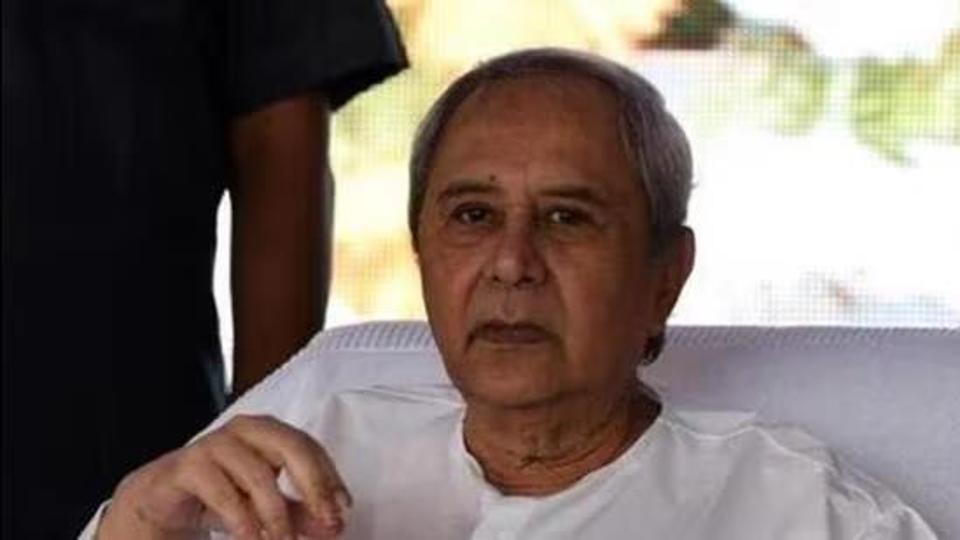
Terming the formation of the SDCs as a historic step, Patnaik said these councils will have representation from every tribe.
“They will have decision making powers and financial resources to preserve, promote and develop their unique socio-cultural identities and economic capacities. Meanwhile, the government has appointed chairmen for all the SDCs. With the inclusion of 14 districts, more than 80 lakh people belonging to ST communities from 172 blocks have been brought under the SDC. I hope more research will be conducted on our tribal culture, their approach to life. Empowering tribal is our aim,” said Patnaik during a programme at the local adivasi ground in Bhubaneswar.
Reacting to the chief minister’s announcement, Bharatiya Janata Party (BJP) general secretary, Prithviraj Harichandan said even though the SDC came into existence long ago, only one meeting of the council could be organised. “The BJD has formed SDCs to accommodate its leaders as the chairmen of the council in different districts.” However, senior BJD leader and SDC advisor Pradeep Majhi said, “The council has been working for the betterment of tribals under the guidance of CM Naveen Patnaik.”
The expansion of SDC in 14 new districts is also seen as the BJD’s strategy to counter the BJP’s plan to encash from making Droupadi Murmu as the first tribal President of the country.



