
 E-Paper



123 water bodies in rural Pune found ‘contaminated’
ZP has ordered gram panchayats to clean all the reservoirs, streams and rivers whose water has been found contaminated


PUNE: After the zilla parishad’s (ZP’s) health department identified 123 water bodies in rural parts of Pune district as ‘contaminated’, an order has been issued to all gram panchayats to clean all the reservoirs, streams and rivers whose water has been found contaminated, officials said.
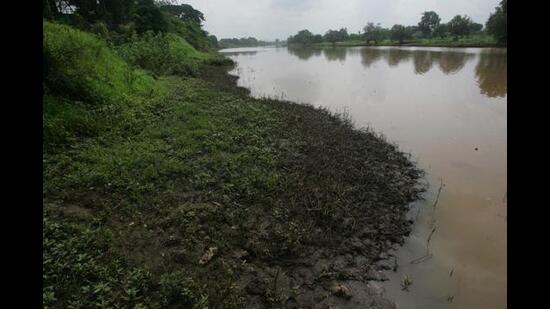
Currently, all 123 ‘contaminated’ water bodies are under observation. From the 13 tehsils in Pune district, Ambegaon has 35 contaminated water bodies which is the highest number followed by Shirur which has 26 such bodies (See box). Once all the water bodies are cleaned, samples will be collected again and sent to the labs. In the interim, the district heath department has alerted people not to use water from these bodies for drinking purposes. “If the samples again show contaminated water, we will not allow people to use that water for consumption in future,” said Bhagwan Pawar, ZP health officer.
As a routine activity carried out by the administration to keep water-borne diseases in check, the zilla parishad Pune tested water samples from 2,408 water bodies.
“In rural Pune, there are 30,000 water bodies – it could be groundwater service water or any form of stored water in the villages. So what we do is we periodically keep checking the water quality for Biochemical oxygen demand (BOD), Chemical Oxygen Demand (COD), chloroform level and particulate matter,” said Ayush Prasad, chief executive officer, ZP.
“We keep taking samples and sending them to accredited labs that keep giving us reports. The moment any water source is found to be polluted, we disconnect the motors which are there for releasing drinking water. We put up a red colour board at that place and stop people from using that water for drinking. We make arrangements for them to use an alternate source of water,” Prasad said.
Zilla parishad health officials also de-pollute water bodies wherever it is possible.
“At many places, depolluting water becomes a difficult task as pollution sources are hard to identify in the water. Wherever locally we can intervene by putting some blockage to the pollution like cleaning up activities, removal of solid waste, putting some chlorine tablets, those sorts of activities, we carry them out. If it is not possible, we disallow using such water bodies,” added Prasad.


