
 E-Paper



Bee attack at Pimple Nilakh leaves 25 injured
The incident took place at about 3 pm and 70 to 80 people endured multiple stings during the bee strike. Nearly 25 guests had to visit private hospitals and have recovered since

 Prefer HTon Google


A community event held at Pimple Nilakh on Sunday turned into a nightmare when a swarm of honey bees suddenly attacked several of the attendees, health officials said. The event, attended by more than 250 people, was almost over and the guests were eating when the bees attacked. The incident took place at about 3 pm and 70 to 80 people endured multiple stings during the bee strike. Nearly 25 guests had to visit private hospitals and have recovered since.
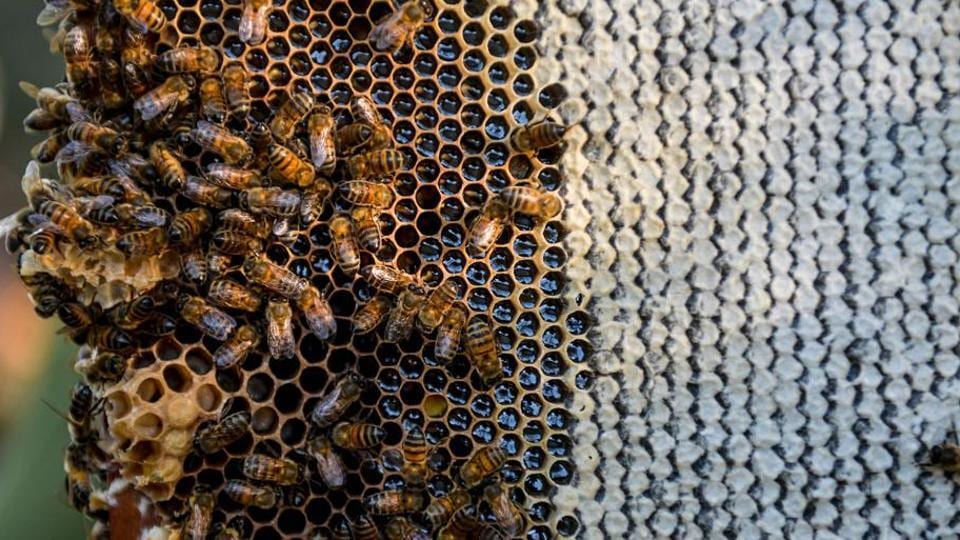
One Dr Vikrant Latee called ‘108’ control room at around 4.38 pm, informing about the bee assault at Pimple Nilakh after which the Maharashtra Emergency Medical Service (MEMS) sent two ambulances to the spot. While most of the guests attacked by the bees had left by the time the ambulance arrived, the bees stung the MEMS staff as well.
According to Dr Latee, 80 to 90 people were still at the event when the bees attacked. “Most of them were eating lunch and had to run for their lives. I ran inside my car to protect myself but eight to ten bees had already followed me. I suffered multiple stings and later took treatment at a private hospital in Swargate. Many people went to private hospitals after being attacked by the bees,” he said.
Dr Priyank Jawale, district manager, MEMS, said that Dr Latee’s call was received at around 4.30 pm and that the ambulance visited the location in the next 15 minutes. However, no one waited till the ambulance arrived. “Many of them went to private hospitals nearby or left the place due to the bee attack. Some of our healthcare workers who went along with the ambulance were also attacked by the bees. As they were attacked and people had already left the location, the ambulance was forced to return,” Dr Jawale said.
Dr Nagnath Yempalay, civil surgeon of Pune district, said, that no one sustained any serious injuries from the attack. “Around four patients came to the Aundh district hospital while three to four patients went to Aundh Kutir Rugnalay. All of them were rendered primary treatment at the out-patients’ department. Several patients went to private hospitals in the vicinity for treatment,” Dr Yempalay said.
Incidents of honey bee attacks have been on the rise in Pune district. Earlier in April this year, 10 members of a family had to be hospitalised after being attacked by a swarm of bees at Sinhagad Fort. The Pimple Nilakh incident is this year’s first to have occurred within the city limits. Else, bee attacks are quite common in Junnar, Sinhagad Fort, Rajgad Fort and Bhor among other rural parts of Pune.
Ayush Prasad, chief executive officer (CEO) of the Pune Zilla Parishad, said, that they usually put-up cautionary boards at locations prone to bee attacks. While villagers are aware of the beehives, tourists are unaware and have to be cautious. “Most importantly, no specific pattern has been found behind the honey bee attacks. No fire incidents nor instances of bees being disturbed have been reported but the bees have attacked all the same. We also asked the scientific committee about the reason but there is no specific reason or pattern. Only in a few cases, the bees had been disturbed by children,” Prasad said.
“This is the reason we share information about such incidents with the media as it creates awareness among the public and they are forced to be cautious,” Prasad said.
Rahul Patil, deputy conservator of forests, said, that various activities are carried out by the forest department for awareness regarding and prevention of bee attacks. “The sites where incidents of honey bee attacks are reported are identified and cautionary boards are displayed. We create awareness amongst the locals. Display boards at heritage sites along with dos and don’ts are put up. We conduct awareness programmes through the media,” Patil said.
Prevention:
Wear light-coloured clothes.
Don’t use fragrances, cosmetics, and toiletries that have floral or banana-like scents.
Never approach or disturb a hive.
Pay attention to bee behaviour.
If you find a colony of bees, leave it alone and caution others to do the same.
Avoid excessive motion when near a honey bee colony.
If you accidentally disturb a hive, run immediately.
Don’t swat at the bees; just leave.
Never jump into a body of water to escape the bees.
If you have suffered multiple stings, seek medical attention immediately.


