
 E-Paper



Pune hospitals see surge in mercury poisoning cases linked to unregulated fairness creams
Doctors across Pune have reported treating over 24 patients for suspected mercury poisoning and complications linked to prolonged use of fairness creams.

 Prefer HTon Google


When Prathamesh Phadtare, 25, a Pune-based transport businessman, bought a fairness cream for ₹3,200 on the recommendation of his friends, he never thought that months later, he would have to undergo a nearly ₹7.1 lakh worth prolonged treatment including a ₹1.54 lakh worth spinal injection, at a private hospital in Kharadi. He never imagined that the cream he had been using contained mercury and other heavy metals as confirmed later by a laboratory analysis.
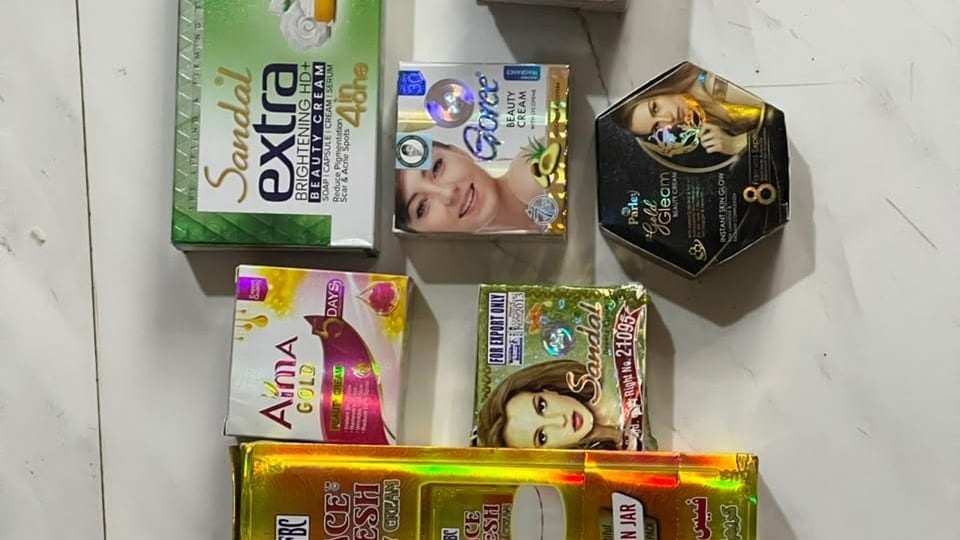
Another patient, 26, had to be admitted to a private hospital in Pune after getting severe pain in both legs, excessive sweating and involuntary leg movements. Like Phadtare, he had been using a fairness cream for several months, never once suspecting that it could be linked to his deteriorating health.
Indeed, doctors across hospitals in Pune have reported treating over 24 such patients for suspected mercury poisoning and related complications linked to the prolonged use of such creams. Most patients are young adults between 20 and 25 years of age. The treating doctors said that patients commonly reported severe pain and weakness in the legs, a tingling sensation, loss of muscle power, spinal pain, chills, excessive sweating, involuntary leg movements, and persistent fatigue. Several patients developed minor to major complications like neurological issues and autoimmune disorders. In severe cases, such creams could even cause irreversible damage to the kidneys, brain and skin; the doctors said.
Symptoms in most patients
Neurologist Dr Nilesh Palasdeokar at Ruby Hall Clinic, Wanawadi, said that the hospital has treated over six such patients. “Most patients came to us with severe pain in both legs, excessive sweating and involuntary movements. During clinical evaluation, we found that they had been using beauty or fairness creams made in Pakistan to improve their complexion. Samples of these products were sent for laboratory testing and mercury levels of more than 15,000 were detected in some samples. Such high exposure can trigger serious adverse health effects,” he said.
Dr Avdhut Bodamwad of Lopmudra Hospitals, said, “I do not endorse any particular brand but consumers should buy products manufactured by reputed companies as these products undergo testing and regulatory approvals. People should avoid unregulated beauty and skin-lightening creams.”
“The use of mercury in cosmetics is banned or restricted in many countries because of serious health hazards. However, products containing mercury continue to surface in unregulated, counterfeit and illegally marketed cosmetics,” Dr Bodamwad said.
Sometimes, mercury is illegally added to unregulated skin-lightening products as it suppresses melanin production, leading to a lighter skin tone. The toxic metal can be absorbed through the skin and enters the bloodstream. Prolonged exposure can damage the nervous system and kidneys, and may require extended treatment and specialist care.
The rise in such cases comes amid a crackdown by the Maharashtra Food and Drug Administration (FDA) on cosmetic products containing toxic heavy metals. On July 4, the FDA issued a statewide public alert after laboratory analysis found mercury and lead beyond permissible limits in three cosmetic products — Goree Beauty Cream, Face Fresh Gold (Beauty Cream + Beauty Serum), and Golden Star Beauty Cream. The products were declared, ‘not of standard quality’ and ‘unsafe for use’ and pulled off the market. Days later on July 9, a joint team of the FDA and Nanded police inspected Afrah Collection in Nanded and found a large stock of cosmetics manufactured in Pakistan, including Goree Beauty Cream, Face Fresh Beauty Cream, Ujooba Extra White, and Gold Gleam. Girish Hukare, joint commissioner, FDA (drug), Pune region, said that the establishment could not produce purchase invoices for the products. Three samples were sent for laboratory analysis while the remaining stock worth around ₹39.70 lakh was seized. The police registered a case under relevant provisions of the Bharatiya Nyaya Sanhita (BNS) and Foreign Trade Act, 1992. On the same day, FDA officials inspected Mangalmurti Agencies on Nagar Road in Beed and found Mera Roop Shringar Cream making tall claims about improving complexion. A sample was sent for laboratory analysis and stock worth ₹36,000 was seized.
Regulatory action highlights the risks posed by unregulated cosmetics, particularly products purchased from informal sellers or those without proper labelling and traceable manufacturers. Manipal Hospitals issued a statement advising consumers to immediately discontinue the use of cosmetic products if they developed persistent skin changes or unexplained health problems. Dr Palasdeokar said, “By the time symptoms appear, significant exposure to the product may already have occurred. Anyone developing unexplained symptoms after using such creams should stop using the product and seek medical advice.”


