
 E-Paper



Nanded deaths tip of the iceberg, reveals survey
Following the incident, members of the fact-finding team of JAA, a cluster of NGOs working in healthcare, visited GMCH on October 6


PUNE: The tragic incident witnessed earlier this month in Nanded Government Hospital and Medical College (GMCH), in which 24 deaths were reported in a day, is a consequence of deficient specialised healthcare of the public health system in the district, claimed Jan Aarogya Abhiyan (JAA) activists.
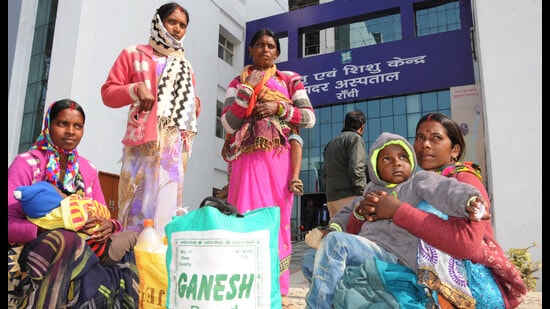
Following the incident, members of the fact-finding team of JAA, a cluster of NGOs working in healthcare, visited GMCH on October 6. As per the investigating team’s report in GMC Hospital Nanded, 11 of the mentioned 24 deaths had taken place among newborns. The investigative team visited various public healthcare facilities in Nanded, including GMC Hospital, Civil Hospital, Women’s Hospital, and Urban Community Health Centres.
They gathered information from hospital administrators, senior and junior government doctors, nurses, private doctors, and social activists in the area.
The overloading of patients in GMC hospital, with over 1,100 indoor patients despite a capacity of 500, affects the medical college’s primary teaching role. Understaffing and doctors’ engagement of some senior specialist doctors in private practice further strain the hospital’s resources, compromising specialised care, claimed JAA in their statement released on Friday.
According to Dr Anant Phadke, a JAA health activist, the excessive deaths in Nanded are indicators of a wider, state-wide public health problem in Maharashtra.
“There is a need for immediately adopting a state-level transparent and effective medicine procurement system, majorly improving staffing and expanding infrastructure at GMC Nanded, strengthening specialist and basic healthcare services in the public health system in rural and urban areas of the district.”
Dr Abhay Shukla, a health activist, JAA, said, the government should implement community-based monitoring and regular social audits to make services accountable, and review the functioning of the private healthcare sector and related insurance schemes.
“These tragic deaths must serve as a wake-up call for the politicians as well as the people of Maharashtra, prompting a total overhaul of health policy and increased political commitment to public health,” he said.
Key causes behind the incident as per JAA
A high influx of patients in GMC Nanded due to a lack of specialised care at lower levels, inadequate referral systems, and insufficient neonatal and pediatric care facilities.
GMC Hospital’s Nanded treatment capacities and staffing are also overwhelmed, due to shortages in essential resources, including nurses, doctors, and medications, and suboptimal infrastructure in both the neonatal and pediatric intensive care units (NICU and PICU). The hospital’s overwhelming focus on patient care leaves limited space for quality medical education, as residents are overburdened with clinical responsibilities, affecting their training.
Certain short-term factors also worsened the existing capacity-patient load mismatch at GMC Nanded in late September 2023. These factors include a rise in patients and average daily deaths in August and September 2023 due to seasonal illnesses, the declaration of free public healthcare services leading to a recent increase in utilisation, and a long holiday weekend from September 29 to October 2.
The fundamental cause of the healthcare crisis in Maharashtra, exemplified by the recent situation in Nanded and other areas, is the abysmally low political priority and resources given to public health services, combined with the current government’s push for healthcare privatisation.


