E-Paper



PHC, ZP school showcase rural infrastructure upgrades
The Pune Zilla Parishad’s wider initiative to introduce vocational learning in government schools covers plumbing, electrical work, sewing, carpentry, basic electronics, jewellery making and art

 Prefer HTon Google


A model primary health centre and a Zilla Parishad (ZP) primary school in Wadebolhai are showcasing efforts to improve rural public infrastructure, with the health facility focusing on patient-friendly services and the school promoting practical learning through a dedicated Skill Lab.
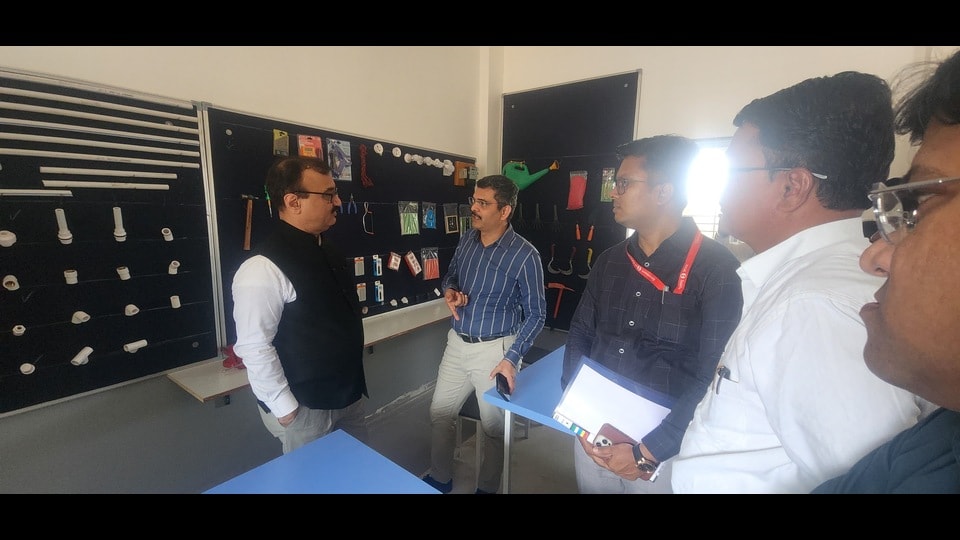
During a visit to the two institutions on Sunday, October 18, Chandrakant Pulkundwar, secretary of the state rural development and panchayat raj department, reviewed their infrastructure, facilities and functioning.
Praising the health centre’s cleanliness, well-maintained premises and planning of healthcare services, Pulkundwar described it as an “Aarogya Mandir” (temple of health).
“Wadebolhai’s model primary health centre is truly an ‘Aarogya Mandir’. The facilities, cleanliness, well-maintained premises and careful planning for healthcare services are commendable,” he said.
The centre aims to strengthen rural healthcare by streamlining outpatient services, reducing waiting times, improving maternal and child health outcomes, expanding screening and follow-up services, and using data to monitor performance.
At the ZP primary school, Pulkundwar reviewed the educational and physical infrastructure, including the Skill Lab, which gives students opportunities to develop practical skills through hands-on activities.
The Pune Zilla Parishad’s wider initiative to introduce vocational learning in government schools covers plumbing, electrical work, sewing, carpentry, basic electronics, jewellery making and art. Some ZP schools are also exploring technology-based learning through robotics, astronomy, simulation, augmented reality and virtual reality to encourage creativity, problem-solving and experiential learning.
Pulkundwar inspected the school’s facilities and appreciated efforts to integrate activity-based learning into primary education.