E-Paper



Indian families turn to eldercare start-ups for medical support and companionship for ageing parents
Changing family structures and migration are increasing demand for professional eldercare in India.

 Prefer HTon Google


As more Indians move to other cities and countries for work, looking after ageing parents from a distance is becoming a growing concern. Start-ups offering home care, medical assistance, senior living and companionship are stepping in to address this need.
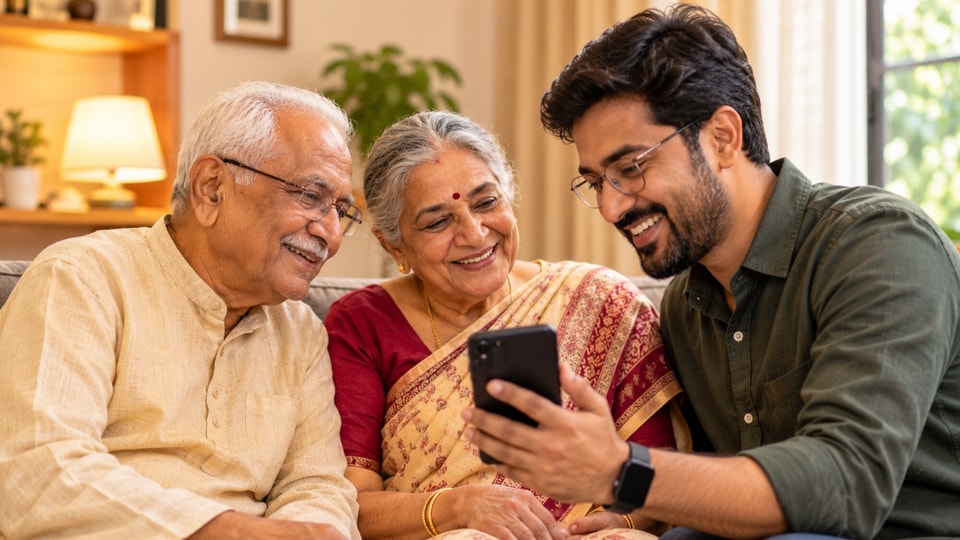
A recent BBC report highlights how changing family structures are driving demand for organised eldercare services in India.
One such example is Arindam Bhattacharyya, an advertising executive based in Jakarta. He began looking for help after his father suffered a health crisis while visiting him in 2024. With his parents living in Kolkata, he now relies on two start-ups to monitor their health, coordinate care and arrange emergency medical assistance.
(Also Read: Hong Kong woman loses ₹3 crore after scammer claims her bank account was linked to money laundering)
India's growing eldercare market
According to the United Nations Population Fund, one in five Indians is expected to be aged 60 or above by 2050. The decline of joint families and the movement of younger people away from their hometowns are adding to the need for professional care.
Government think-tank NITI Aayog estimates that India's senior care industry is worth around $7 billion and is expected to grow. Companies such as Manasum Senior Living, Primus Senior Living, Emoha Elder Care and KITES Senior Care are offering services ranging from dedicated housing to home-based assistance.
The demand for organised senior living is also significantly higher than the available supply. Real estate consultancy Colliers estimates that India needs around 2 million to 2.2 million senior living units, while only about 25,000 are currently available.
Some businesses are also using technology to improve safety. Bengaluru-based companies Kubo Care and NoBlink.ai offer artificial intelligence-powered monitoring systems that can detect falls or unusual movements and alert emergency services.
Affordability remains a concern
Eldercare companies are also trying to address loneliness among older people. Goodfellows, a start-up that received investment from former Tata Group chairman Ratan Tata in 2022, connects senior citizens with young companions who can spend time with them and help with everyday tasks.
However, professional care remains expensive for many families. NITI Aayog estimates that 78% of India's elderly population does not receive a pension, limiting their ability to pay for private services.
There are also concerns about the availability of trained and trustworthy caregivers. A CareEdge report has warned that inadequate workforce training could lead to a shortage of skilled professionals as demand increases.
(Also Read: Sarvam AI co-founder warns India risks becoming a 'digital colony' over dependence on foreign AI)
Start-ups, therefore, cannot be the only solution. Public healthcare, community support and stronger social security systems will also be essential. Kerala has taken a step in this direction by passing a law focused on senior citizens' rights, including affordable care, legal aid and safe public spaces.
As India's population ages, the challenge will be to make elderly care accessible and affordable, regardless of where their children live or how much they can spend.