
 E-Paper



Startup Mantra: Bioabsorbable implants to boost recovery
Orthocrafts Innovations with help of material science technology builds unique and trustworthy products for medical professionals

 Prefer HTon Google


Surgeries often involve the insertion of various types of metal screws and plates in the body. These implants are used for the attachment of soft tissues or to restore the natural anatomy of a broken bone. And once the injury has healed these metal implants are no longer required by the body. Since it is a foreign body inside a patient it is generally advisable to have it removed. If not, they can pose complications such as weakening of bone and in some cases, metal ion leaching inside the body, which means that once again the patient has to undergo another round of surgery.
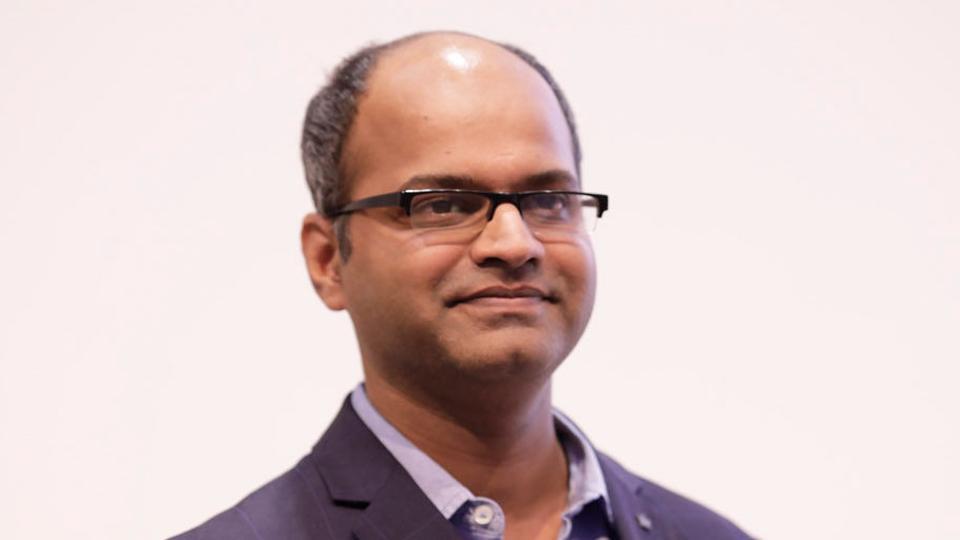
The solution to this problem is absorbable implants that perform exactly like metal implants but dissolve inside the body over a period. As these implants dissolve leaving no harmful residues and yet give the desired clinical outcome, they are becoming a choice solution amongst surgeons and patients as well. Orthocrafts Innovations, a medical device company, founded by Piyush Joshi, is driven by material science technology with a vision to build unique and trustworthy products for medical professionals.
Spotting opportunity
While working at the National Chemical Laboratory on the packaging materials, the founding team of Orthocrafts Innovations, saw a whole new world of opportunity in polylactic acid. They chased the dream of creating bioabsorbable implants or implants that would be broken by body fluids over time. Never mind that 70% of the market in India was held by gigantic MNCs, this team wanted to give their best shot. And they did. A decade later, the relentless pursuit of their dream gave results, and they succeeded in creating bio-absorbable implants using in-house synthesised medical-grade materials.
Says Piyush, “The thing is that it’s rather tricky. Not only do you have to create a screw that doctors use whilst doing an anterior cruciate ligament (ACL) surgery on the knee or use an anchor for the shoulder, but it should degrade in two to three years’ time.”
Simply developing a bio-absorbable implant is just half the battle whilst dealing with the human body. “These implants are classified as Class D, translated meaning that they carry the highest risk.” Which means there are several regulatory hurdles to cross.
“The American Society for Testing and Materials (ASTM) and International Organisation for Standardisation (IOS) lay down different standards for materials that can be used for medical purposes. Ours adhere to their standards that has been ratified by the Sree Chitra Tirunal Institute for Medical Sciences & Technology, Kerala.”
Initial steps
The problem was not just having the ability to make bio-absorbable implants. Says Piyush, “The biomedical grade bio-absorbable materials required to make such implants are not manufactured in India and right grade materials are proprietary to the MNCs. In addition to this, only a handful of companies manufacture these materials and procuring it at a reasonable price point is difficult.”
After years of hard work, trials and errors, he has developed technical know-how to synthesise biomedical-grade bio-absorbable materials. He says, “We further have the know-how for converting these materials into finished implants. We are the only Indian company that makes bio-absorbable implants using our own materials. In effect, we have developed capabilities to build an entirely new class of material itself!”
Smart packaging
While it is truly commendable that a startup creates its own biomedical-grade bio-absorbable material, the goal post still has not been crossed. Says Piyush, “Packaging plays a crucial role in the medical devices field. Great emphasis is given by medical device regulators such as the United States Food and Drug Administration, Conformité Européenne (CE) and Central Drugs Standard Control Organisation (CDSCO) on the packaging of the devices. In the case of sterile devices, the packaging is the only barrier between the outer environment and the sterile device, hence compromised packaging can lead to fatal errors including infection. Bio-absorbable implants are susceptible to moisture and direct sunlight. They may lose their properties and sterility if the packaging is compromised.”
To address the issue, Piyush worked extensively to design its packaging. “Our packaging involves the use of medical grade barrier films involving aluminium foil to ensure that implants are not exposed to direct sunlight and moisture,” he said.
Money matters
So far, Orthocrafts has managed the innovation via grants – they received funding support from the Biotechnology Industry Research Assistance Council (BIRAC) to the tune of ₹3 crore through various projects. “We utilised this money to establish a pilot scale facility and develop and evaluate prototypes of arthroscopy and minimally invasive surgery implants. They are currently aiming to raise around ₹3-4 crore to bring its flagship product to the market. We plan to use it for getting our early customers, having regulatory licenses in place and getting key personnel on-boarded.
Competition
While Orthocrafts is competing with giants who dominate the market, the strategy is to change the way the industry looks at implants. “Our deep understanding of biomaterials will help us in creating better, differentiated products as compared to our competitors. We cover a large portion of the value chain, giving us a pricing advantage as well as speed in fast manoeuvrability in the market. “In the near future, we will compete in the market with products of new designs and novel material compositions.”
Big talk? Not really given his new discoveries.


