
 E-Paper



Tiger’s movement across five districts renews call for scientific corridor study
Over the past two years, its movements have taken it through Dharashiv, Latur, Solapur, Beed and Ahilyanagar districts

 Prefer HTon Google


A male tiger that travelled nearly 500 km from Tipeshwar Wildlife Sanctuary in Yavatmal district to Solapur in 2024 is once again highlighting the need for a scientific assessment of wildlife corridors in Maharashtra. The tiger, locally known as Ramling, after the Yedshi-Ramling Ghat Wildlife Sanctuary in Dharashiv district, was recently photographed at Naigaon Mayur Wildlife Sanctuary in Beed district.
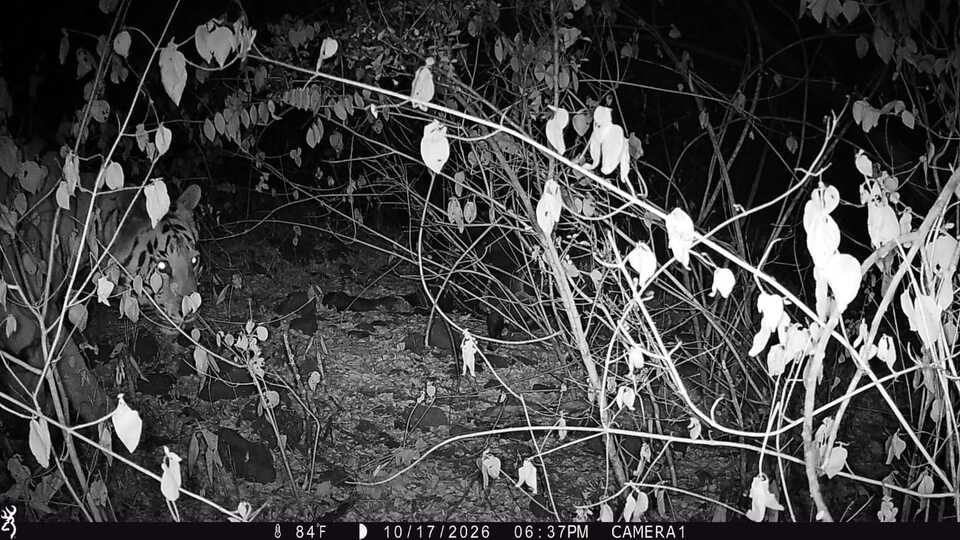
Born in 2022 to tigress T-22 at Tipeshwar, the animal was first photographed in the Yedshi forest range of Dharashiv district in December 2024. It subsequently moved towards Barshi in Solapur district, with its identity confirmed by matching camera-trap images with photographs from Tipeshwar.
Over the past two years, its movements have taken it through Dharashiv, Latur, Solapur, Beed and Ahilyanagar districts. After being photographed in Beed’s Ashti forest range in August this year, it was recorded at Naigaon Mayur Wildlife Sanctuary on October 17.
Sidharth Sonawane, honorary wildlife warden of Beed district, said a buffalo was recently killed near the sanctuary, prompting forest officials to suspect the presence of a large carnivore. Camera traps installed at multiple locations subsequently captured the tiger. “We are constantly monitoring the movement of the tiger,” he said.
The animal’s journey has raised questions about how it navigated fragmented forests, agricultural land, roads and human settlements. In January 2025, forest officials said Solapur and Dharashiv were not established tiger corridors, adding that the route needed scientific investigation to determine whether it represented a recurring wildlife movement pattern.
Wildlife corridors enable animals to move between habitats in search of territory, food and mates. Young male tigers naturally disperse from their natal territories, but journeys through human-dominated landscapes expose them to risks such as human-wildlife conflict and road and railway accidents.
Researchers say systematic camera-trap monitoring, identification through stripe patterns and, where appropriate, telemetry studies could help reconstruct Ramling’s route and identify key habitat connections.
The latest sighting also raises questions about whether forest patches in the Balaghat ranges and adjoining parts of Marathwada act as stepping stones between larger habitats.
For now, Ramling’s presence at Naigaon Mayur is evidence of extensive wildlife movement, not an established tiger population.
The tiger’s long journey was initially seen as an unusual dispersal event. Its continued movement across five districts over two years makes the case for a broader assessment of wildlife corridors in central Maharashtra, particularly to ensure that animals moving beyond conventional tiger habitats can do so with fewer risks.


