
 E-Paper



Western Maha reported 15 incidents of leopard conflict in January
At least 15 incidents related to leopards have been recorded in western Maharashtra in January, including human-leopard conflicts, accidents, and reunions. The forest department, along with RESQ Charitable Trust, has addressed the incidents and highlighted the need for urgent attention from authorities due to the rising incidents of human-leopard conflicts.

 Prefer HTon Google


Officials have recorded at least 15 incidents related to leopards in western Maharashtra in January this year. The cases include human-leopard conflicts, accidents, and reunions. The forest department with the help of RESQ Charitable Trust addressed the incidents in Ahmednagar, Nashik, and Pune districts.
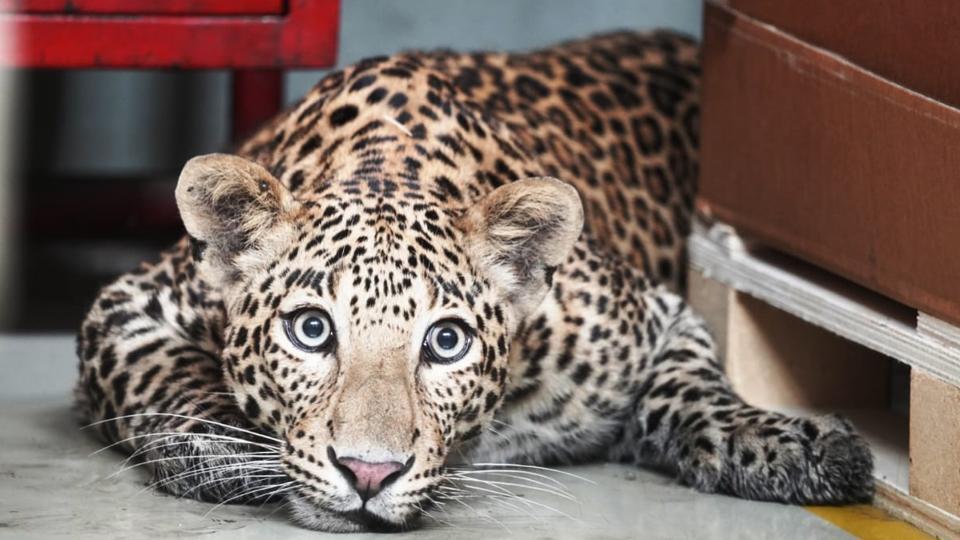
On January 13, a 15-member team from the forest department, local police and RESQ, rescued an adult female leopard trapped in an emu pen near Pune. Initiated at 10 pm, the operation was completed in less than three hours. In another incident, the Nashik forest department was alerted to a leopard’s presence near a densely populated zone in Harsul after the wild animal injured from a clash with another over territory was close to human habitation. The leopard was later captured and is under rehabilitation at the RESQ Nashik centre.
The department also reported incidents like leopard accidents and eight reunions.
The cases have highlighted the rising incident of human-leopard conflicts demanding urgent attention from authorities.
Mahadev Mohite, deputy conservator of forests, Pune forest division, said, “Decline in habitat has caused rise of leopard presence in villages and towns of this western Indian state. The department is equipped to respond to conflict situation as we have appointed primary response and rapid response teams.”
Neha Panchamia, founder, RESQ Charitable Trust said, “January has been a busy month for leopard encounters. Some situations involved negative interactions between humans and leopards that required delicate handling. Proactively responding to these situations is crucial to prevent any possible adverse interactions in the future.”


