
 E-Paper



Opinion | Election Commission should appear to be ‘fair’
BJP president Amit Shah on Wednesday accused the EC of failing to control the violence in six phases of polling in West Bengal. In the evening, the EC, in an unprecedented move, curtailed the campaign by a day in the eastern state.

 Prefer HTon Google


“The Election Commission should seem to be fair even if it is not,” was what the EC’s long-time legal advisor S K Mendratta said during the 2014 Lok Sabha elections when the poll watchdog was under attack for not acting against hate speech.
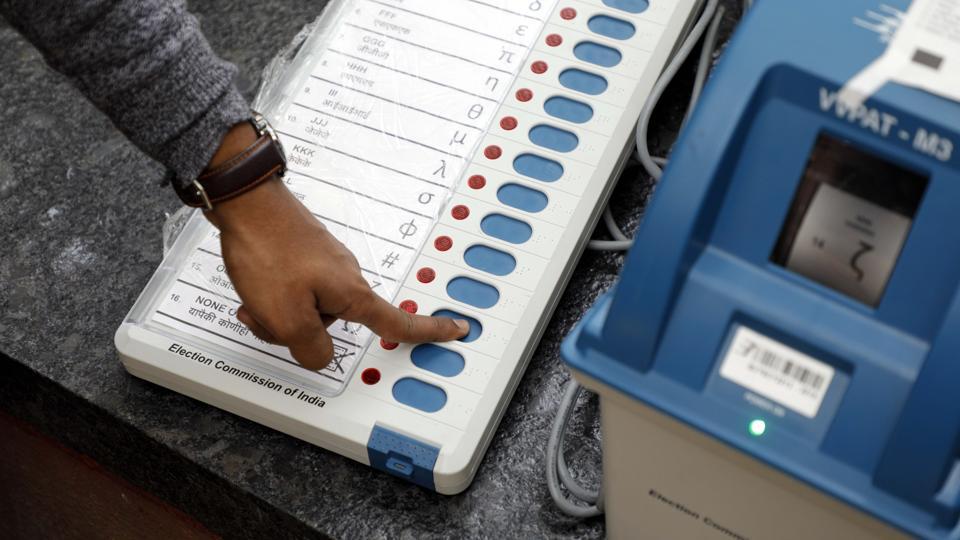
In 2019, the commission isn’t seeming to be fair either, in ensuring a level playing field for all political parties -- the gospel it works by. The Opposition has repeatedly accused the Constitutional body of favouring the ruling Bharatiya Janata Party (BJP) to the extent that Congress president Rahul Gandhi ,in one of his television interviews, said even the seven-phase election schedule favoured the BJP.
BJP president Amit Shah on Wednesday accused the EC of failing to control the violence in six phases of polling in West Bengal. In the evening, the EC, in an unprecedented move, curtailed the campaign by a day in the eastern state.
The Congress submitted 11 complaints to the EC against Prime Minister Narendra Modi and the watchdog disposed of them without sending a single notice to the PM.The opposition cried foul, but old timers in the commission say there is a tacit tenet in the EC not to drag the PM into election controversies to maintain the sanctity of the highest executive office of the country.
Even so, the commission did not even consider the complaints until the Congress approached the Supreme Court. Even former chief election commissioner S Y Quraishi termed it a “pity” that the EC needed the Supreme Court to remind it of the vast powers granted to it under Article 324 of the Constitution.
“A polite advisory to the PM would have worked,” he said in an interview to The Hindu newspaper. At the SC’s prodding, the commission considered all the complaints and gave a clean chit to Modi even as election commissioner Ashok Lavasa reportedly dissented in six of the 11 complaints.
Other than issuing a notice, the EC has several instruments to minimize the violation of the Model Code of Conduct--- a consensus document framed after consultation with all political parties. The commission could have issued advisories to political leaders, called all-party meetings to raise concerns and initiated swifter action for proven violations of the code.
To be sure, it will be unfair to say that the EC has remained a mute spectator to the violations of the model code. Over 10,000 first information reports (FIRs) have been lodged for violation of election norms and explanations been sought from many politicians across the country. The commission transferred many officials considered close to the ruling dispensation in the states.
The commission also barred Bahujan Samaj Party (BSP) chief Mayawati, Uttar Pradesh chief minister Yogi Adityanath and BJP’s Bhopal candidate Pragya Thakur from campaigning briefly for violations. It recommended action to the Union home ministry against Rajasthan governor Kalyan Singh for seeking votes for a BJP candidate in Aligarh and also directed that expenditure on NaMo TV be added to the BJP’s accounts of election expenses.
In most cases, the EC took action after much brouhaha and that led to an impression that the election watchdog was not fair. “The image of India’s premier Constitutional body has been dented and I am sad about it,” said Mendiratta, 79, who ended his 53-year-long association with the EC in April.


