
 E-Paper



Delhi activist red flags ecological park on fly ash pond, says test water quality
Fly-ash is a byproduct of thermal power generation. The upcoming eco-park, spread across 884.64 acres, will be one of the world’s biggest man-made parks, according to the project developers.


A Delhi-based activist on Wednesday wrote to Delhi chief minister Arvind Kejriwal and lieutenant governor Anil Baijal raising concerns over converting the shut Badarpur Thermal Power Station’s fly ash pond into an ecological park without first conducting a study of its groundwater quality, which may be contaminated because of ash disposal over the years.
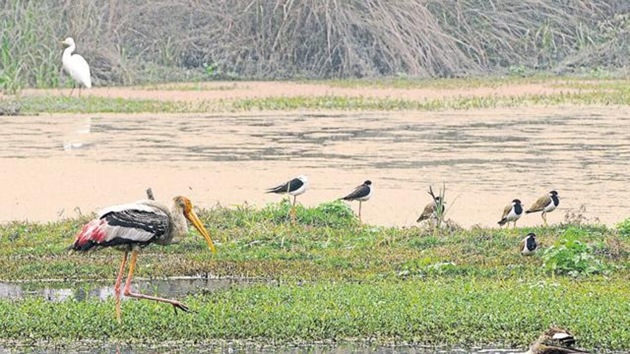
Manoj Misra of Yamuna Jiye Abhiyan, in his letter, has raised the issue of leachates from the ash dump site of the coal-based plant — that was shut last year for being a contributor to pollution — may have contaminated the sub-surface aquifers and groundwater reaching the Yamuna.
Fly-ash is a byproduct of thermal power generation. The upcoming eco-park, spread across 884.64 acres, will be one of the world’s biggest man-made parks, according to the project developers. The project is being undertaken by National Thermal Power Corporation (NTPC) Limited, which ran the plant.
“Fly-ash is toxic in nature and has a number of heavy metals present in it, of which mercury is the most dangerous when it mixes with water forming a compound methyl mercury, which on contaminating the aquifers spread neurological diseases consuming such water sourced from the ground,” said Misra.
“There are reports that NTPC plans to raise fruit trees and create groundwater recharge areas at the site. This needs to be reviewed, since methyl mercury is a bio accumulative toxin and it can enter food chain through fruit and water,” the letter stated.
Experts said while heavy metals from the ash-dump do leachate in the soil and planners must take remedial measures.
“I am sure the planners have taken steps — such as picking plants that use heavy metals as nutrients in their roots, which is called phyto remediation — and has been done in other cities such as Mumbai. Also, it must have layered plantation,” said Mukesh Khare, professor, civil and environmental engineering, IIT-Delhi.
NTPC could not be reached for a comment.

Stay updated with all top Cities including, Bengaluru, Delhi, Mumbai and more across India. Stay informed on the latest happenings in World News along with Delhi Election 2025 and Delhi Election Result 2025 Live, New Delhi Election Result Live, Kalkaji Election Result Live at Hindustan Times.


