
 E-Paper



Delhi’s experience with tree transplantation poor so far, survival rate dismal, say experts
The Delhi government is planning to transplant trees instead of felling them to clear space for construction projects. Although a laudable initiative, experts said the city’s experience with tree transplantation has been ‘poor’ so far.


The Delhi government is planning to transplant trees instead of felling them to clear space for construction projects. Although a laudable initiative, experts said the city’s experience with tree transplantation has been ‘poor’ so far.
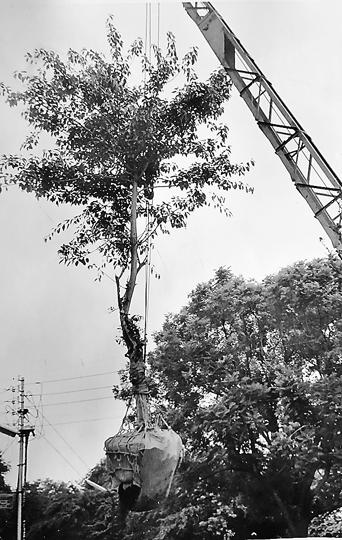
The earliest records of tree transplantation in Delhi, experts recall, was in 1972 when more than two dozen trees were lifted from Zakir Hussain Road and Ring Road (near Moti Bagh) and transplanted near Gate 2 of Pragati Maidan by the Central Public Works Department.
Thereafter, to build a rugby complex for the 2010 Commonweath Games, seven trees were lifted from Delhi University’s north campus and transplanted at the Yamuna Biodiversity Park. More than 3,000 trees were also transplanted for government projects by a private agency.
“In most cases, the survival rate was poor. Except for a few young Pilkhand trees, most of the other trees such as kusum, jacaranda and chorisia, that were transplanted in 1972, died. A lot of factors need to be considered and there has to be a thorough preparation, including site selection, digging of the pit and post care, before transplantation is undertaken,” RNS Tyagi, former horticulture director of CPWD, said.
The ones transplanted at the Yamuna Biodiversity Park are also not in good shape. Of the seven trees that were transplanted from DU, two have died while the remaining have a thin canopy and are barely alive.
“Two trees, haldu and sissoo, have already died. Most of the transplanted pipal trees are suffering from poor health. The survival of a transplanted tree depends on several factors, including its age. If the tree is large and matured, its chances of survival are much lesser,” Faiyaz Khudsar, scientist in charge of Yamuna Biodiversity Park, said.
Experts said deciduous trees stand better chances of survival than evergreen ones, while softwood plants are better transplanted than hardwood ones. A Noida-based private agency, which claimed to have achieved 80% survival rate of transplanted trees, however, said a lot depends on the selection of species.
Umesh Jain, the managing director of firm that has worked with the government, had earlier said, “We have transplanted pipal trees of up to 4m girth successfully but a neem of even 20cm girth will not survive.” Experts said apart from the age and site selection, technology and post transplantation care is crucial.

Stay updated with all top Cities including, Bengaluru, Delhi, Mumbai and more across India. Stay informed on the latest happenings in World News along with Delhi Election 2025 and Delhi Election Result 2025 Live, New Delhi Election Result Live, Kalkaji Election Result Live at Hindustan Times.


