
 E-Paper



Rising mercury leads to ‘natural mosquito control’
Absence of intermittent rains this summer has also led to drying up of their breeding grounds. Delhi last received rainfall on May 15 and June, so far, has been bone dry.


The incessant heatwave in Delhi, besides troubling residents, have proved fatal for mosquitoes.
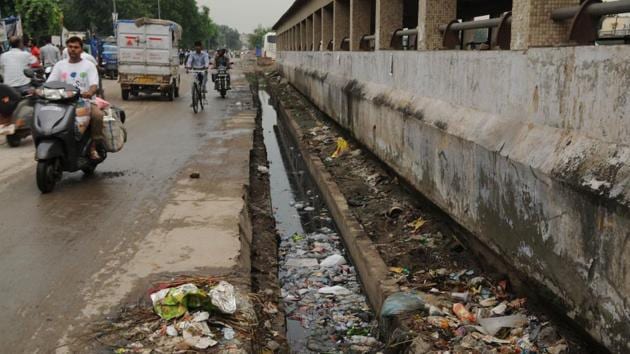
As per a citywide report on vector-borne diseases brought out by the South Delhi Municipal Corporation on Monday, 13 cases of dengue have been recorded in the city so far. Till June 10 last year, the number of dengue cases were 23. Also, there have been no deaths from the disease so far.
The number of chikungunya cases is seven while on the same date till last year, it was 14. Also, the number of malaria cases registered till date is 13. The same was 24 in the corresponding period last year.
The number of houses where mosquito breeding was found has also gone down this year by 66%, civic officials said. The number of legal notices issued last year for negligence of mosquito breeding was 34,291. This year, it is 19,915.
“If you look at your home and neighbourhood right now, nobody is complaining of mosquito stings. That’s because mosquito is a delicate insect and high temperatures disrupt all their body functions,” said Dr. Himmat Singh, senior scientist at the National Institute of Malaria Research, Dwarka.
“Their ideal breeding temperature is 24-28 degrees Celsius. So the conditions right now have led to a natural mosquito population control. Plus, lack of humidity in the air also leads to drying of their cuticles, desiccation of the body shell and early death,” he added.
Absence of intermittent rains this summer has also led to drying up of their breeding grounds. Delhi last received rainfall on May 15 and June, so far, has been bone dry. “If lakes, ponds, puddles and containers like coconut shells, tyres. don’t fill up with rainwater, where would mosquitoes lay eggs?” asked Dr. NR Das, former public health department chief of the East Delhi Municipal Corporation and consultant at the Swami Dayanand Hospital.
“Even our plastic overhead water tanks, where mosquitoes lay eggs if they are open, get so hot these days, the larvae gets boiled,” he added.
Experts also said that the high temperatures might lead to the mosquito menace being “lesser catastrophic” this year than it has been previously. “Of course, it also depends on the virulence of the serotype of dengue virus which is in transmission,” Dr. Himmat Singh said.

Stay updated with all top Cities including, Bengaluru, Delhi, Mumbai and more across India. Stay informed on the latest happenings in World News along with Delhi Election 2025 and Delhi Election Result 2025 Live, New Delhi Election Result Live, Kalkaji Election Result Live at Hindustan Times.


