
 E-Paper



Seeking Tihar’s warmth, many turn to petty crime in bitter cold
Inside Tihar, India’s most populated prison complex, officers are bracing for an increase in the number of inmates as winter tightens its grip.

 Prefer HTon Google


Inside Tihar, India’s most populated prison complex, officers are bracing for an increase in the number of inmates as winter tightens its grip.
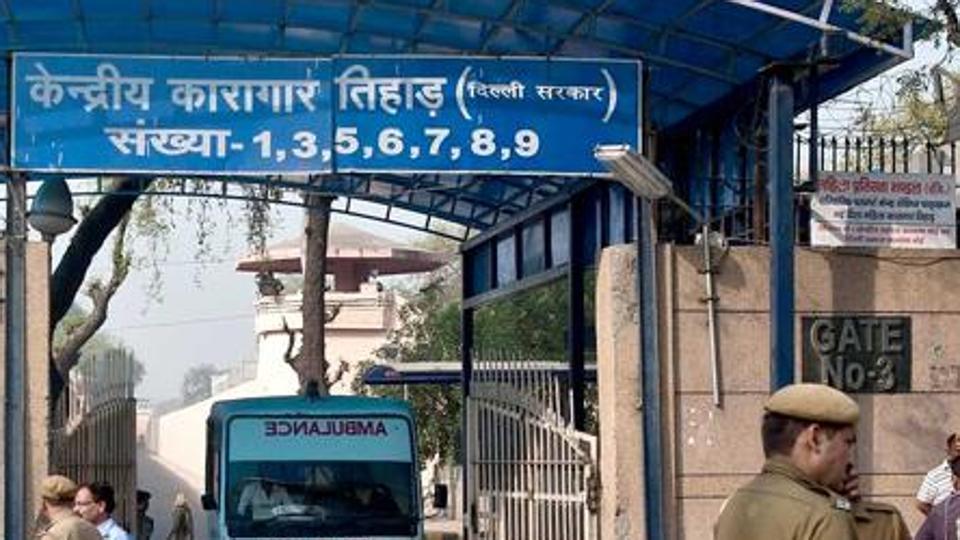
It is that time of the year when the number of prisoners always increases. At last count on Monday, Tihar housed nearly 16,000 prisoners when it has a capacity for only 10,027.
There’s a reason for the increase in the number — those charged with minor offences such as theft or caught carrying knives. Among the many new inmates, there may be around 50 prisoners, judging from past years’ precedents, who will claim to have voluntarily courted arrest, or who took greater risks while stealing because they preferred getting caught and spending the winter in prison.
The plan works because the three winter months spent behind bars are better than outside in the winter chill — the prison offers a roof above the head to the homeless, free and hot food, warm blankets, and milk. It has a hospital without a queue where medical treatment is free, and those who volunteer to work can get a job in any one of the jail’s 36 factory units. With night temperature below 6 degree Celsius for 10 consecutive days last month, Delhi experienced its longest cold spell in 13 years. Last week, the mercury dropped to a record low of 2.6 degrees Celsius.
“We have learnt from our interaction with some prisoners that they courted arrested to spend the winter months here,” a jail officer, who did not wish to be named, said. “There is no fixed number. Maybe about 40-50 during the three winter months of December, January and February. Most of them are those who sleep on the roads or shelter homes. About five years ago, the number would be more but with homeless shelters and the government providing free blankets,we believe the numbers are less.”
Sunil Gupta, who was Tihar’s law officer for over 35 years, confirmed there are cases of prisoners preferring to spend the winter in prison. “The number may not be not huge but there are such prisoners... Some of the facilities in prison are much better than outside,” he said.
On January 1, when the temperature was 4 degree Celsius, the jail had a prisoner population of 15,488. Six months ago, on June 1, when summer was at its peak, there were 15,244 prisoners. The trend was similar in 2017 too.
For some elderly prisoners, those above 75 years, the jail administration also provides heaters to keep themselves warm and provides hot water and milk.
Sushil Sharma, a former president of the Delhi Youth Congress who spent around 24 years in prison for his wife’s murder and was released last month, said most prisoners who voluntarily come to prison are those arrested for theft at railway stations or in minor government properties.
“I have interacted with many such prisoners and have been part of skill development initiatives for such men. These are mostly homeless prisoners... I have seen such prisoners learning skills for three months and promising never to return again.” Another prisoner, Dal Lama, who was released from prison after serving a 10-year jail term and now teaches painting in jails, said, “Prison population in winter is high. Also there are other reasons why people come to prison. There was an old man who had come to prison many times before. One day I asked him how he had ended up in prison again. He said he had come for an operation. He courted arrest to get himself operated at the jail hospital. Had he been outside, he would have to wait for months before getting a chance to be operated at a government hospital.”
Amod Kanth, a retired director general of police whose NGO Prayas runs the most number of homeless shelters in Delhi, said Tihar offered inmates better facilities than jails in other states, sorting those who prefer to stay in the prisons into two groups.
“Some are homeless and also so-called alleged criminals who prefer to be in jails,” Kanth said. “There are others who cannot get back to the society and prefer the life they have behind bars. Jail then becomes a home. We should research these cases to find out larger problems. But things are better now. At homeless shelters in Delhi, one gets food, blankets and all other facilities.”


