
 E-Paper



A tech boost to US-India ties
Jake Sullivan’s trip underlines that technology is the new driver of the bilateral relationship

 Prefer HTon Google


When India and the US launched the initiative on Critical and Emerging Technologies (iCET) in January, hardly anyone thought it would become the platform helping shape the deliverables for Prime Minister Narendra Modi’s visit to Washington just six months later. National Security Adviser Ajit Doval and his American counterpart Jake Sullivan, who heads the new initiative, this week outlined an ambitious road map for hi-tech collaboration in seven fields, steps to cut down barriers and align export control regimes, which, in the past, became hurdles to closer cooperation. While there has been a lot of speculation on major defence agreements, especially on the manufacturing of advanced engines for India’s home-grown fighter jet and the sale of unmanned aerial vehicles (UAVs), officials contend those are further down the road.
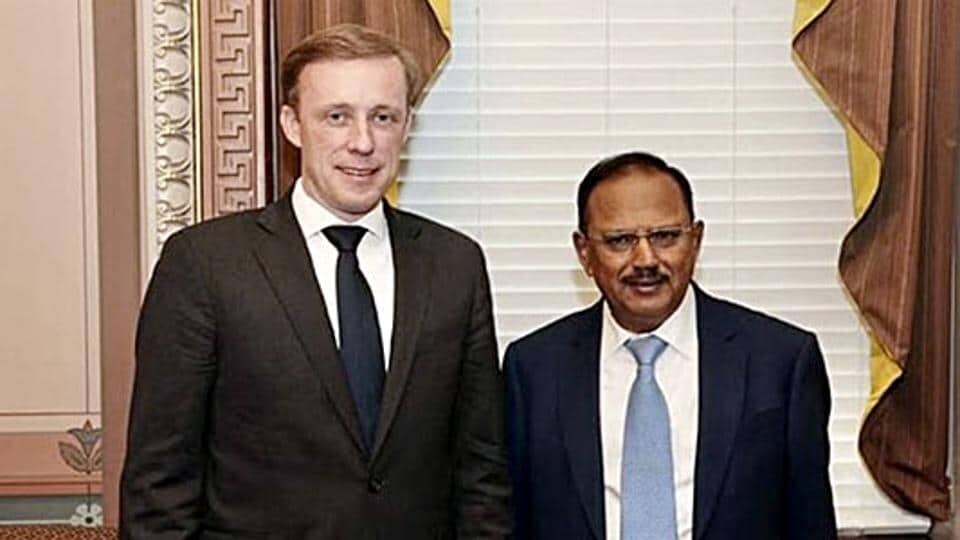
Mr Doval himself highlighted the speed at which iCET has moved, saying that he was both excited and sceptical at the launch of the initiative as he was not sure whether the idea would take off. During a Track 1.5 roundtable attended by Mr Doval and Mr Sullivan on Tuesday, discussions centred on ways to decentralise supply chains to make them diverse and resilient and to create an alternate eco-system for de-risking. Though China was not explicitly named, these discussions reflected the shared concerns in New Delhi and Washington about Beijing’s actions and its efforts to stay ahead in critical technologies.
iCET has piggybacked on several building blocks put in place by India and the US in recent years, such as the signing of Communications Compatibility and Security Agreement (COMCASA) and Basic Exchange and Cooperation Agreement (BECA). But what sets iCET apart is the strong involvement and the buy-in of the private sector, academia and scientific community in both countries. The critical part now will be the actions to be taken by both sides, and especially by Washington, to address export control regulations that could hinder the blossoming of this initiative. On the US side, this will involve both legislation and executive actions – a step that will also foster greater confidence on the Indian side, where questions on the US’s willingness to share cutting-edge technologies linger. Nevertheless, the progress made so far is astonishing in itself, and underlines the rapid emergence of technological cooperation as the driver of bilateral ties, especially against the backdrop of China’s aggressive designs – a development that is both welcome and long awaited.


