
 E-Paper



Ameliorate, don’t stoke, migration fears
Maharashtra's new rule requiring drivers to know Marathi raises concerns about government overreach in language policies amid rising inter-state migration.

 Prefer HTon Google


Should the government be in the business of adjudicating which citizen learns what language? In any mature democracy and for any rational person, the answer should be no. This is why a new rule in Maharashtra — mandating that, starting August 18, licences of auto rickshaw, taxi and app-based cab drivers who lack working knowledge of Marathi will be suspended for up to three months, with repeated violations leading to cancellation — is disquieting. This newspaper reported on Thursday that the Maharashtra government had amended the state Motor Vehicles Rules, 1989, to provide for action against non-Marathi speaking drivers of public vehicles. The amendments specifically clarify the requirement of practical Marathi for drivers and permit holders of auto rickshaws, taxis and app-based motor cabs fitted with electronic meters.
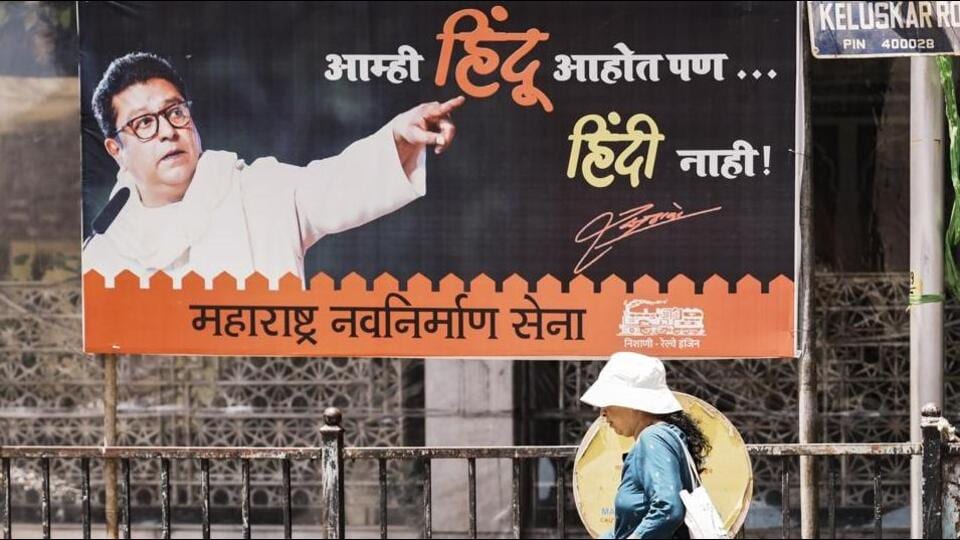
The move will very likely be popular among the Marathi-speaking majority in the state and even reap political rewards for the ruling coalition in a province where language remains a lightning rod for public sentiment. But social dynamics don’t always fit neatly into electoral politics. Inter-state migration is the single-biggest reality of contemporary India; migrants have played an important role in making Mumbai India’s financial capital and Maharashtra’s growth engine. This newspaper has also noted that the electoral dynamics of Mumbai is slowly tilting away from native residents to migrants; such churn creates obvious anxieties among the people, but the job of the government is to ameliorate, not exacerbate, these. In any state, migrants learning the local language for better assimilation is desirable. But the way language flows is through people, workplaces, schools and colleges, conversations in public places and through popular culture. The government may encourage such initiatives but must stay away from legislating on it — especially if it carries political overtones.


