
 E-Paper



An exit, and a dire warning
Ravi Chopra's resignation from the Char Dham panel highlights the project’s ecological risks

 Prefer HTon Google


Ravi Chopra, chairman of a Supreme Court (SC)-mandated High Powered Committee (HPC) formed to oversee road widening in the Char Dham Highway Development Project (CDHDP) in Uttarakhand, has written to the top court that he wants to resign. In his letter, the environmentalist mentions the apex court’s December 14 judgment, which permitted the Centre to increase the width of the roads in the project for national security reasons, says the verdict confined the HPC’s role to the implementation of its recommendations on two non-defence roads, and complains that HPC’s recommendations were ignored by the Union ministry of road transport and highways (MoRTH).
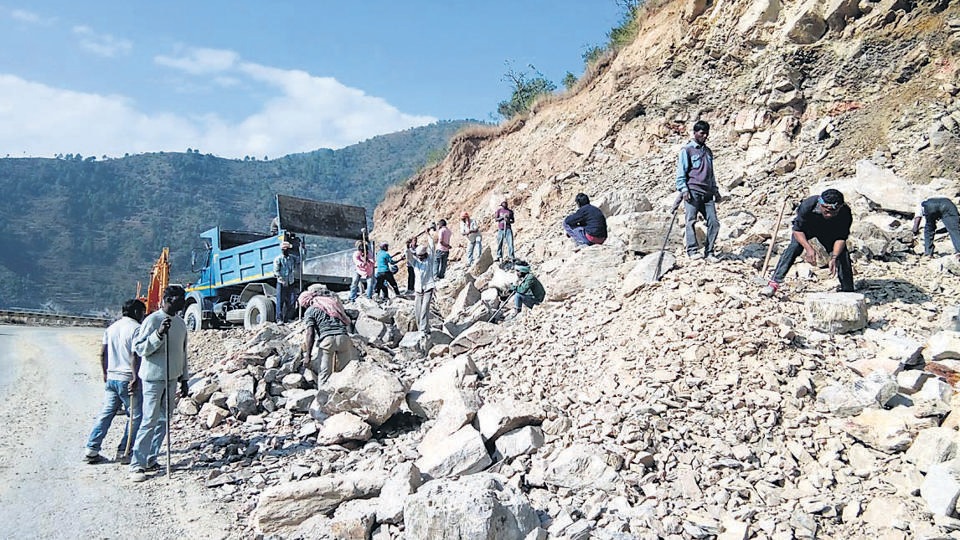
The 900-km CDHDP, a flagship project of the Union government, has courted controversy since it was launched. Initially, the ₹12,000-crore road was billed as one required for providing all-weather access to the four pilgrimage towns in Uttarakhand. But after environmentalists, geologists, climate scientists, and civil society voiced objections about the project and the faulty environmental clearance process, CDHDP garnered support from the ministry of defence. The ministry moved an appeal in the SC in November, seeking “a double-lane road having a carriageway width of 7m (or 7.5m in case there is a raised kerb)” with 8-10m formation width to “meet the requirement of the Army”. CDHDP always had a strategic angle, but with the appeal, national security became the sole driver for the project.
While the balance between the environment and security is important, the fragility of the region cannot be discounted, especially when extreme weather events are on the rise. A wider road means additional slope cutting, blasting, tunnelling, dumping, and deforestation — all of which will further destabilise the Himalayan terrain, and increase vulnerability to landslides and flash floods. This was noticeable during the last monsoon season when many roads were destroyed. The state and the region need sustainable development, which demands approaches, as Mr Chopra mentions in this letter, that are geologically and ecologically sound. Such development also increases disaster resilience, and helps in national security, which requires roads that are not landslide-prone. Mr Chopra ends his letter with a warning: “Nature… neither forgets nor forgives such willful wrongs inflicted on her treasures”. Remember this while undertaking projects that risk upsetting the ecological balance.


