
 E-Paper



Of protest sites and power corridors
The proximity of Jantar Mantar to Parliament is a feature of a democracy, not a flaw

 Prefer HTon Google


When Maharaja Sawai Jai Singh II built the Jantar Mantar in 1724, little did he imagine that his astronomical observatory would one day be synonymous with dissent in the world’s largest democracy. Since 1993, the lane behind the site has housed thousands of ordinary Indians with extraordinary dreams — women fighting for a more equal world, victims demanding justice, LGBTQIA+ communities dreaming of dignity, youth hoping for a future free of corruption and students angry at the callous handling of their careers.
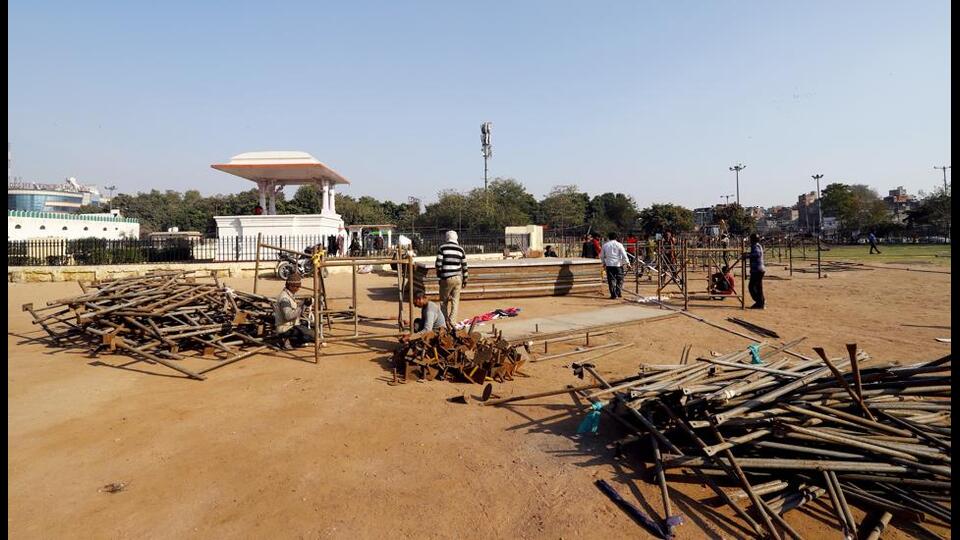
The Centre’s decision to denotify Jantar Mantar as a designated protest site has called time on that legacy. The intentions behind the October 11 order — which also designates three new spots, all requiring tens of thousands of rupees to pre-book and two of which are on the fringes of the city — are clear. The new sites are sprawling, some host various commercial activities, and they are far from the nerve centre of the power corridor — no doubt an important consideration for the authorities who have privileged maintaining order over upholding the right to protest. Clearly, the administration believes protests to be an irritant and reducing their visibility and access is a way to smother their reach. There is no doubt that protest sites in the heart of a city hold some risks of congestion and law and order. Yet, major world capitals designate sites near their seats of power because free expressions of dissent provide moral legitimacy to power in a democracy. The unfortunate impulse to take this away — which is responsible for shifting protesters out of the Boat Club, then India Gate and now finally Jantar Mantar — pervades every ideological spectrum and is decades old. It refuses to recognise that the proximity of Jantar Mantar to Parliament is a feature of a democracy, not a flaw.


