
 E-Paper



Rejuvenating rivers needs political will
As the Yamuna shows, nursing rivers back to health will need a strategy that goes beyond STPs. The lack of ownership and accountability among different agencies that control our cities needs to be fixed

 Prefer HTon Google


The world’s oldest cities thrived along the banks of great rivers because the water sustained life and spurred the economy. Delhi is no different, with the Yamuna providing critical environmental, social and cultural services to its citizens. This centuries-old relationship between the river and the citizens is today enfeebled because mounds of garbage and slush have robbed the Yamuna of its riverine qualities and has turned it into a drain along large stretches of its course through Delhi. According to the Delhi Pollution Control Committee’s latest report on the clean-up of the river, one-fourth of the city’s sewage (171 million gallons per day or MGD) flows untreated into the river within the borders of the National Capital in December. Delhi generates 768 MGD of sewage, but sewage treatment plants (STPs) can treat only 597 MGD.
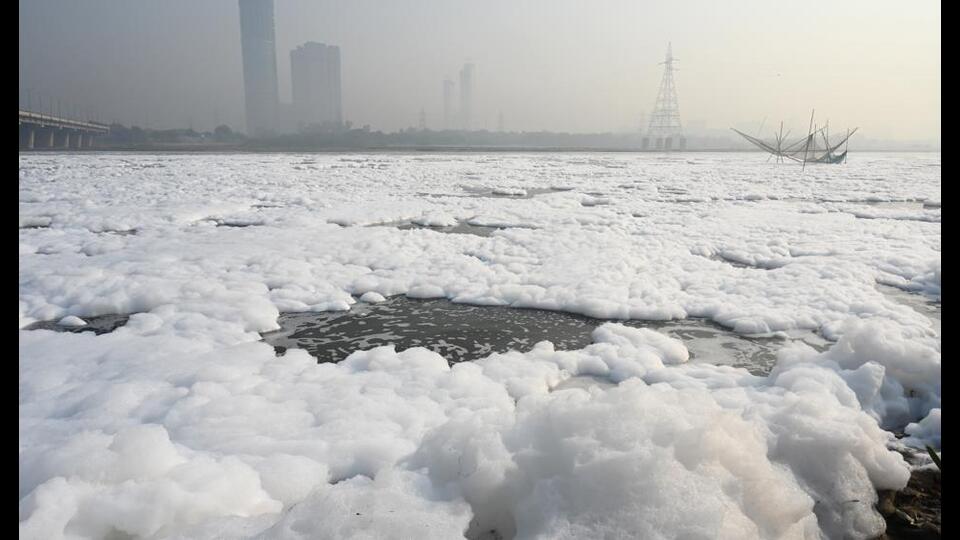
In the last 27 years, three Yamuna Action Plans have been devised and implemented, and ₹5,000 crore has been spent, yet the 22 km stretch of Yamuna that passes through Delhi remains fetid. Several reports suggest that the river turns virtually dead (incapable of housing any flora or fauna in its bed due to poisonous pollutants) as soon as it enters Delhi from Haryana’s Palla.
This is true not just of the Yamuna, but of most rivers in India that are slowly turning decrepit due to effluents, unchecked urbanisation pressures and a lack of political will. Though governments have focussed on setting up STPs in recent years, there appears to be only limited impact of this initiative. Instead, it has led to a recurring political blame game.
As the Yamuna shows, nursing rivers back to health will need a strategy that goes beyond STPs. The lack of ownership and accountability among different agencies that control our cities needs to be fixed. In the case of Yamuna, for example, Haryana, Uttar Pradesh and Delhi must come together to address the issue of disappearing flows, and push political, social and municipal action to better its water quality.


