
 E-Paper



The Centre must listen to all stakeholders on coal mining | HT Editorial
Mineral resources are key to India’s development, and auctions generate huge funds. At the same time, it causes displacement; disturbs forests and wildlife; dries up or contaminates water sources; affects health; increases human-animal conflict, and deepens the climate crisis.


On June 18, Prime Minister Narendra Modi launched the auction of 41 coal mines for commercial mining. The list of 41 mines included several blocks located in forest-rich areas of Madhya Pradesh, Chhattisgarh, Jharkhand, Odisha and Maharashtra. Three Opposition-ruled states — Maharashtra, Chhattisgarh and Jharkhand — have expressed reservations against the decision. Maharashtra’s environment minister, Aaditya Thackeray, spoke about the loss of biodiversity and wildlife; Jharkhand chief minister Hemant Soren, whose government has moved the Supreme Court against the order, raised the issue of displacement ; and Chhattisgarh forest minister Mohammad Akbar spoke about increasing human-elephant conflicts.
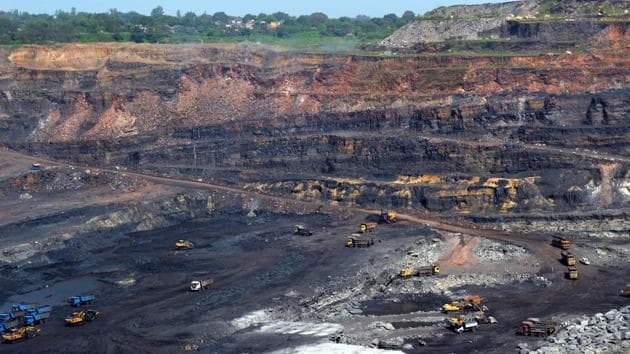
Mineral resources are key to India’s development, and auctions generate huge funds. The government has also done well in making the auction process more transparent. At the same time, mining causes displacement; disturbs forests and wildlife; dries up or contaminates water sources; affects health; increases human-animal conflict, and deepens the climate crisis. This is why a calibrated approach is essential when it comes to the use of natural resources in general, and mining in particular. It is important to listen to stakeholders — states, affected gram sabhas (which have a say, as per Supreme Court’s 2013 order in the Vedanta case) and civil society groups. This can help plan a sustainable way forward that balances development and the protection of India’s under-stress biodiversity and wildlife. The Centre must listen more, and Opposition states must not politicise the matter.


