
 E-Paper



The fall of Afghanistan
The United States has lost. The US exit was understandable. But the way it was managed is unpardonable.The Inter-Services Intelligence has won. And India stares at a crisis

 Prefer HTon Google


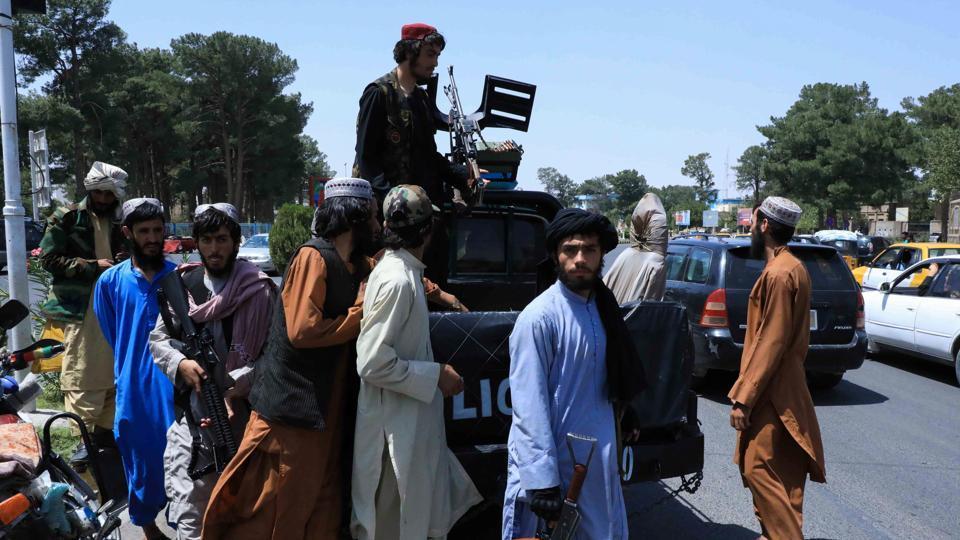
Twenty years after the United States (US) militarily invaded Afghanistan and ousted the Taliban from power, the Taliban is back in Kabul as the US fled in scenes reminiscent of its exit from Vietnam. Notwithstanding the spin from Washington, this is a strategic defeat. The US exit was understandable. But the way it was managed is unpardonable. The US misread the Taliban’s intentions and capabilities, didn’t act against Pakistan enough to deter support for the Taliban, and carried out a farcical peace process where the Taliban walked away with international legitimacy without giving up on its ideological agenda and coercive machinery. Taliban is much stronger than it was in the 1990s, and the US has left democratic Afghans, women, and minorities at peril.
This is also Pakistan’s win. Notwithstanding the differences that exist between Inter-Services Intelligence (ISI) and the Taliban, ISI’s strategy of waiting for the US exit while supporting the Taliban has paid off for now. Pakistan’s aim of securing “strategic depth” is close to being met. Its objective of eroding Indian presence in Afghanistan is in motion. And it will be the centre of a new arrangement where China, Russia, and others will use Islamabad’s good offices to deal with Afghanistan. At some point, Pakistan will have to deal with resurgent Afghan nationalism — but that’s in the future.
Also Read | As Nibri crosses 100, reading the economic signals
India, like the US, overestimated the power of the Afghan government. It delayed contact with the Taliban till it was too late. There is no Northern Alliance to support, and cobbling together an anti-Taliban coalition will not be free of costs. India’s connectivity projects across the region will be hit. The ability to covertly hurt Pakistan will diminish. And jihadi attention may well shift to Kashmir. An under-appreciated trigger for India’s decision to revoke Kashmir’s constitutional status was the calculation that a Taliban-controlled Afghanistan could lead to a repeat of the early 1990s in the Valley. But whether this move has cemented Indian control in Kashmir or created an even more fertile ground for the resumption of terror is to be seen. Delhi must first evolve a short-term policy to deal with the rescue of Indians still in Afghanistan; refuge to Afghans seeking exile; terms of engagement with the Taliban; and enhanced security threats. It must also have a medium-term policy on whether to lie low and recognise the Taliban regime or invest in weakening the Taliban and instruments that can be used for the purpose. What is certain is that August 15, 2021, will have a profound impact on geopolitics across South, West, and Central Asia.


