
 E-Paper



Three challenges for the Bihar coalition
The first is to hold the alliance together. The second is to marry their bases. And the third is governance.

 Prefer HTon Google


For an Opposition starved of victories, the triumph of the Janata Dal (United) and Rashtriya Janata Dal (RJD) in the Bihar assembly floor test is a spot of good news. The coming together of the old Mandal parties mounts a powerful political alternative to the Bharatiya Janata Party (BJP). Unlike Maharashtra, this is not a coalition of ideological extremes and both parties have stable social bases, making the next assembly polls difficult for the BJP (which has traditionally fared better in national polls than regional). But the new coalition government has challenges of its own.
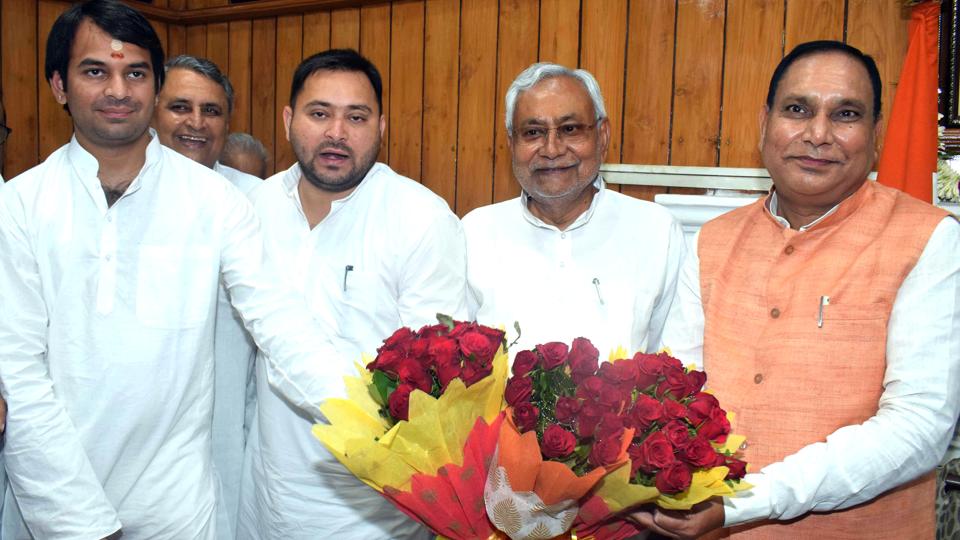
The first is to hold the alliance together. The JD(U) and RJD came together in 2015, defeated the BJP, and then fell apart two years later as allegations of corruption stung the administration and threatened to sully Nitish Kumar’s image. Whether Mr Kumar and Tejashwi Yadav manage to forge a working relationship and keep the taint of corruption (and federal agencies) away is to be seen. The second is to marry their bases. The RJD’s core base, Yadavs, is socially dominant and it was their excesses that initially drove the extremely backward classes (EBCs) to find an alternative in Mr Kumar in the 2000s. The coalition will need work on the ground among communities in disparate social power structures, and ensure that past memories of atrocities by dominant groups don’t mar future political prospects. And the third is governance. Mr Kumar has struggled to catalyse growth and bring large-scale employment to the state, and Mr Yadav’s push to expand beyond his party’s core base is on the back of the promise of more jobs for young people. With the BJP biding its time as the state’s sole Opposition and social aspirations rising, the duo cannot afford to falter.


