
 E-Paper



Punjab elections: 1,086 micro-observers deputed in Ludhiana for polls
The randomisation of micro-observers for the upcoming Punjab elections was held in the presence of expenditure observers TN Venkatesh and Shesh Nath, and DEO-cum-DC Varinder Kumar Sharma in Ludhiana

 Prefer HTon Google


With assembly elections close at hand, as many as 1,086 micro-observers have been deputed in all 14 constituencies of the district during randomisation held at NIC office in DC Office, on Monday evening.
The randomisation of micro-observers was held in the presence of expenditure observers TN Venkatesh and Shesh Nath, and DEO-cum-DC Varinder Kumar Sharma.
Earlier, the five general observers and three police observers had discussed to finalise the security deployment plan and randomisation of micro-observers in all 14 constituencies of district. The meeting was held in the DC office, and DEO-cum-DC Varinder Kumar Sharma along with commissioner of police Gurpreet Singh Bhullar, SSP Ludhiana Rural Patil Ketan Baliram and SSP Khanna J Elanchezhian.
The district police heads informed the observers about the norms for deployment of police personnel, including the Central Paramilitary Force personnel, at critical and normal police stations, depending upon the number of polling stations at each location.
Sharma said there are 1,405 polling locations in the district and a total of 2,979 polling stations, which includes 2,965 main polling stations and 14 auxiliary polling stations. “As per the directions of the chief electoral officer, Punjab, webcasting on poll day will happen at all the 1405 polling locations,” added Sharma.
After discussing the security deployment plan, the general observers decided about the criteria of deployment of micro-observers and also the number of micro-observers to be deployed in each assembly constituency. Accordingly, the randomisation of the micro-observers, comprising of the central government staff, was done by DEO.
The election observers and DC Sharma described the micro-observers as eyes and ears of the Election Commission of India for ensuring peaceful and transparent elections, right from organising mock poll to keeping a strict vigil over the entire election process.
Sharma said significance of the micro-observers could be well assumed from the fact that they have been appointed in the sensitive polling areas, identified in vulnerability mapping, to keep a strict eye over the poll process.
Administration to ensure Covid essentials at polling booths
The district administration would make elaborate arrangements of masks, gloves, thermal scanning, sanitisers, PPE kits, face shields, and others in all 2,979 polling booths of the district.
Additional deputy commissioner (Jagraon)-cum-nodal officer Nayan Jassal said voters will have to wear masks, maintain social distancing, besides thermal screening would be ensured at the entrance of all polling booths for which ANMs, ASHAs and Anganwari workers have been deputed. She said that the voters would be given glove for one hand that they will use for signing and pressing the button of voting machine.
Jassal said, “Those having high temperature or suspicious symptoms would be asked to come and vote during the last hour on polling day (February 20).”
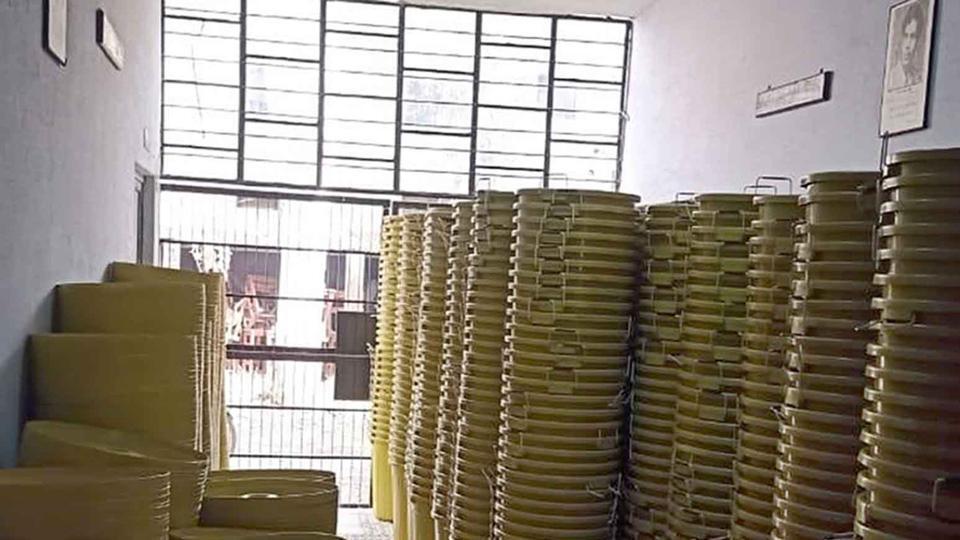
She told that elaborate arrangements for the bio-medical waste management have been done. Yellow and red bins have been given to each polling booth, where these waste would be dumped and later disposed of scientifically by the private company.


