
 E-Paper



World Music Day: It’s not Bollywood vs independent music anymore, say musicians
On World Music Day today, Sonu Nigam, Salim-Sulaiman and Sameer reason out the blurring lines between film and non-film music.

 Prefer HTon Google


The last three years have seen a sudden rise in the number of indie songs releasing and thriving. Ask the reason behind it, and Sulaiman Merchant says, “During the lockdown, there was no film music releasing. So all indie artistes were sitting at home and releasing music. It got recognised because there was an appetite for content among listeners. When film music started releasing again, both forms of music started coexisting and now there’s a beautiful ecosystem.”
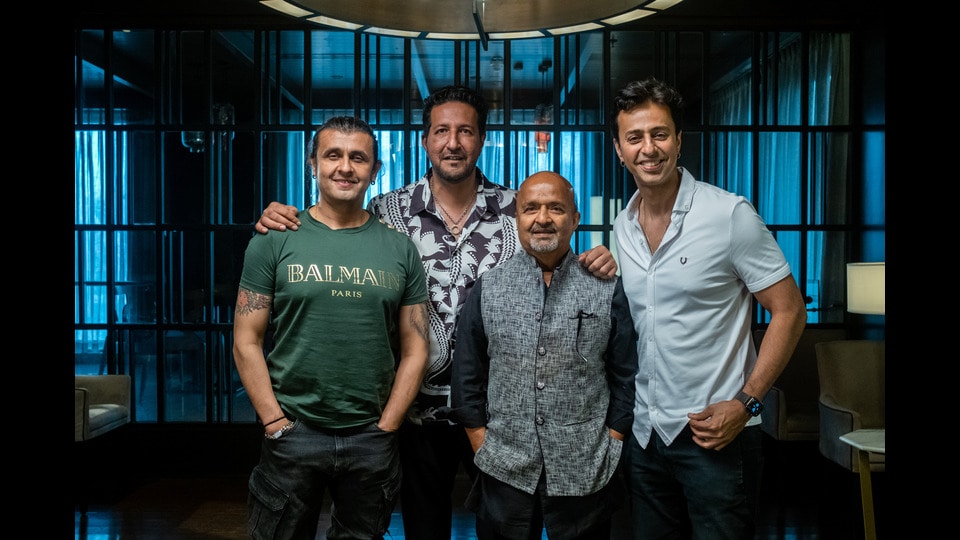
Salim Merchant adds, “Today, the treatment of songs is such that you cannot make out the difference between film and non-film projects. The DSPs (music streaming platforms) have been a blessing for independent music. When you go on any music streaming platform, you search for a singer or composer or song; you don’t search for an actor. Also, the remix culture in film music around 2014-2016 led people to think, ‘Yeh kya ho raha hai?’ That’s another reason why independent music picked up.” However, he feels there’s a “downside” to the rising popularity of indie music too: “These days, independent music has also started sounding like film music and vice versa. Since indie music is now rising, the makers are trying to be safer and more commercial to make it massy.”
Sonu feels that the “lines between film and non-film music have blurred these days given the production quality. Today, people are really encouraged to release independent music because there’s no limit to how creative you can be. It’s very different from the pop music of the ‘90s”. He adds that while film songs are usually synonymous to actors, a single becomes a singer’s identity. He explains with an example: “I remember when we were working on my ‘90s single Bijuria, I requested Saroj (Khan; late choreographer) ji to make me dance like Govinda (actor). Today, when I perform the song at concerts, people look forward to my iconic step and not something performed by an actor.”
Over the last couple of years, most music charts are ruled by independent songs. “That’s because the number of film songs have gone down. Unlike earlier, when there would be at least 5-6 musical hits in a year, now there are barely one or two. Plus, the seriousness of filmmakers towards music has also reduced, resulting in the deterioration of music quality. Today, makers don’t even narrate the story to lyricists. So, people like us had to take to independent music to satisfy our creative souls,” says Sameer, who’s been penning back-to-back singles of late.
However, Salim stresses that “cinema is in our blood, so the charm of films will always be there”. Explaining how, as composers, their music-making process is very similar for film and non-film projects, Salim says, “For the single Ruk Ja that we did with Sonu recently, I created a cinematic situation in my mind while composing it, something that’s done for film songs. So the lines have blurred.”


