E-Paper



In the 1940s, Hollywood star James Cagney bought a quiet California ranchland; decades later, the remaining 417 acres became a wildlife refuge
James Cagney's 1940s land purchase in California's Ramona grasslands is now a protected home for golden eagles, kangaroo rats and fairy shrimp.

 Prefer HTon Google


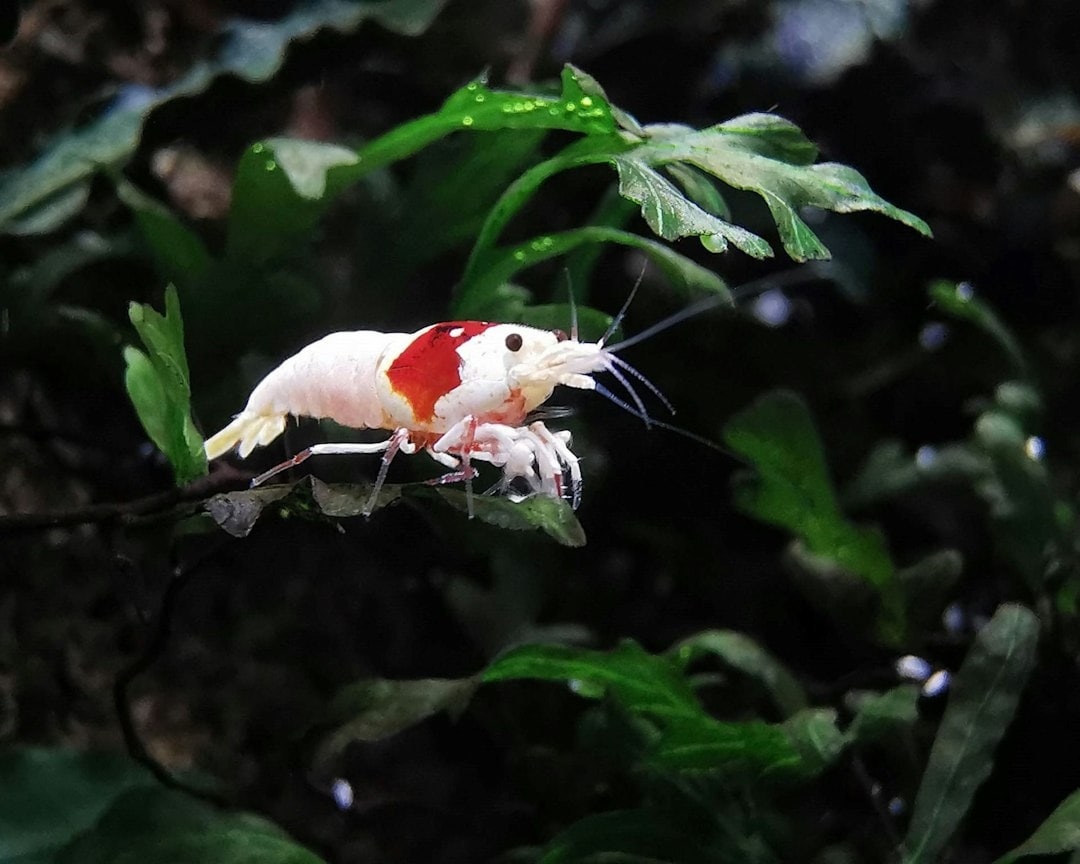
The eggs of fairy shrimp have been observed to spend up to 100 years waiting under the soil until a proper rainy season appears, according to a Wildlife Research Institute biologist who spoke to the San Diego Reader in 2003. Some of that soil used to belong to an American film actor and was located in the grasslands of Ramona, San Diego County. During the 1940s, actor James Cagney and his brother purchased more than 500 acres of land in this area.

But after parts of it were sold over time, 417 acres were still held in trust by the Cagney family until 2003, when The Nature Conservancy purchased them for $2.6 million, the Reader reported. Funding came in part from different sources, including $1.4 million in state funds, $660,000 in federal grant money, and privately sourced funds for the rest. The Nature Conservancy intended to hand the land over to San Diego County to use as a nature preserve for walking and bird-watching, but not camping, hunting, or driving.
Why this grassland is special
The senior ecologist at the conservancy, Scott Morrison, said the parcel was unique because it brought vernal pools, grassland, and streams together in the same area, creating habitat for an unusually high number of rare plants and animals. Biologist Dave Bittner described the pools as shallow depressions in the valley floor that fill during wet years. Once the shrimp appear, ducks and other shorebirds come to feed on them.
Bittner said two pairs of golden eagles live in the grassland year-round, which he considered unusual given the species' declining numbers in the region. From December through February, a typical day can bring about 13 raptor species, including ferruginous hawks, which appear there in larger numbers than anywhere else in Southern California. Pellets collected beneath a barn owl box at a field station near the ranch contained plenty of gopher bones, while researchers occasionally found the remains of the endangered Stephens' kangaroo rat. This small, long-tailed hopper occurs in San Diego County only in this area and one other place.
California's records from that year also document the purchase. A June 2003 notice in the state CEQAnet database identifies the project as the Ramona Grasslands Wildlife Reserve (Cagney Ranch) and notes a Wildlife Conservation Board grant that helped The Nature Conservancy purchase 420 acres of land. The state record gives a slightly different acreage from the 417 acres reported by the San Diego Reader, likely reflecting differences in how the property was recorded. The filing qualified the land purchase for a categorical exemption as a land purchase for wildlife conservation and open space.
Part of a much larger preserve
This Cagney land later became part of a much larger preserve. According to the 2013 Ramona Grasslands Preserve Resource Management Plan from San Diego County, the preserve includes 3,490 acres acquired in parcels beginning in 2003. A biological survey conducted there in 2009 recorded 626 species, including 409 plants, 100 birds, and 37 mammals; 55 of those species had special status.
The Cagney Ranch parcel lies in the southeast corner of the preserve. The county plan lists its acquisition date as August 2006, reflecting its later transfer into the county's preserve system after The Nature Conservancy's 2003 purchase. A drainage in the preserve is named Cagney Swale. The plan described public access as limited, with most of the southeast portion off-limits because of deed restrictions and sensitive resources.
Morrison viewed the deal as an important starting point for conservation. The ranch made up around 10 percent of the core grassland, and he hoped its protection would encourage further conservation in the area, the Reader reported. The rest of the core grassland was spread out in large parcels, from 1,100 to 1,600 acres, owned by only four to five individuals. The unusual part for someone whose name is usually associated with film stars is that land once occupied by sheep and cattle also became home to eagles, owls, and even shrimp.