
 E-Paper



Delhi cabinet clears three new corridors under Metro Phase V(A)
₹12,014-crore project to add 16 km and 13 stations; CM Rekha Gupta says expansion will ease congestion and improve air quality.

 Prefer HTon Google


The Delhi government on Tuesday approved Metro Phase V(A), clearing the way for three new corridors aimed at strengthening public transport, reducing road congestion and improving air quality in the national capital.
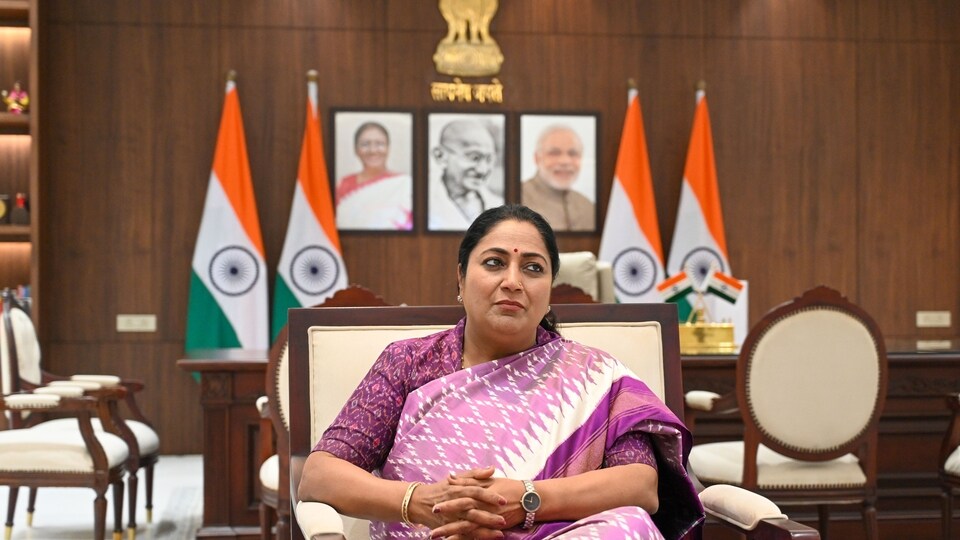
The decision was taken at a cabinet meeting chaired by Chief Minister Rekha Gupta, who said the project would involve the construction of 16 kilometres of new metro lines with 13 stations at an estimated cost of ₹12,014.91 crore. Of this, the Delhi government will contribute ₹2,940.46 crore. The project is targeted for completion by 2028.
The Chief Minister said the expansion aligns with Prime Minister Narendra Modi’s “7-C Vision” for urban mobility — Common, Connected, Convenient, Congestion-free, Charged, Clean and Cutting-edge transport. She said strengthening public transport is key to reducing dependence on private vehicles and achieving environmental and net-zero emission goals.
The three corridors approved under Phase V(A) are RK Ashram Marg to Indraprastha (via Central Vista), Tughlakabad to Kalindi Kunj, and Aerocity to Indira Gandhi Domestic Airport Terminal-1 (IGD T-1). Of the proposed 13 stations, 10 will be underground and three elevated. The corridors will be seamlessly integrated with the existing Delhi Metro network to improve connectivity between residential areas, commercial hubs and the airport.
RK Ashram Marg–Indraprastha corridor
The longest and most significant corridor will run from RK Ashram Marg to Indraprastha, covering 9.913 km with nine stations. Passing through the Central Vista zone, the corridor will connect key administrative, cultural and historic areas of the capital.
Major locations along the route include Shivaji Stadium, Central Secretariat, CCS Buildings, India Gate, War Memorial–High Court, Baroda House, Bharat Mandapam and Indraprastha. Officials estimate that around 60,000 government employees and nearly two lakh daily commuters will benefit from the corridor. The project cost is ₹9,570.40 crore, with the Delhi government contributing ₹2,337.24 crore.
Aerocity–IGD Terminal-1 corridor
The second corridor, stretching 2.26 km with one station, will directly link Aerocity with IGD Terminal-1. The corridor is expected to provide faster metro access to the domestic airport, reduce dependence on taxis and private vehicles, and ease traffic congestion in the airport zone. The project will cost ₹1,419.64 crore, with a Delhi government contribution of ₹351.86 crore.
Tughlakabad–Kalindi Kunj corridor
The third corridor will run for 3.9 km with three stations, improving metro connectivity in South and South-East Delhi. The project is estimated to cost ₹1,024.87 crore, of which ₹251.36 crore will be borne by the Delhi government.
Calling metro expansion fundamental to Delhi’s overall development, Chief Minister Gupta said the new corridors would make daily travel safer, smoother and more punctual, while significantly reducing vehicular pollution. She said the government remains committed to building an integrated, citizen-centric transport system and transforming Delhi into a world-class city.


