
 E-Paper



Punjab Expands Anti-Drug Drive With Focus on Enforcement, Prevention and Rehabilitation
The state government’s ‘Yudh Nashean Virudh’ campaign combines police action with school programmes, community reporting and treatment services.

 Prefer HTon Google


The Punjab government’s anti-drug campaign ‘Yudh Nashean Virudh’ has been structured around enforcement, prevention, community participation and rehabilitation, with the state seeking to involve police personnel, teachers, youth, village representatives and health workers in the effort.
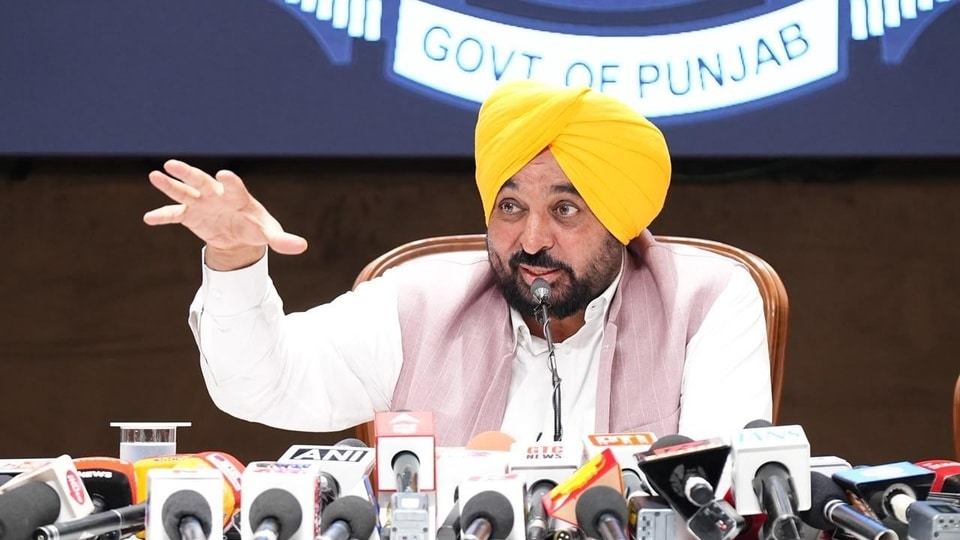
The campaign, being led by Chief Minister Bhagwant Singh Mann, is focused not only on action against drug suppliers but also on preventing substance abuse, improving reporting mechanisms and expanding access to treatment. According to the state government, the approach is intended to connect activities taking place across police stations, educational institutions, villages and health facilities.
The government has described the initiative as a five-point framework. Its components include police action against drug networks, prevention and early intervention in schools, youth and peer engagement, community vigilance and treatment and rehabilitation services.
Between March 2025 and September 2026, the Anti-Narcotics Task Force (ANTF) registered 61,824 FIRs and arrested 81,433 people, according to the government. During the same period, authorities reported the recovery of 3,918 kg of heroin, 991 kg of opium, 47 tonnes of poppy husk, 1,416 kg of ganja and 65 lakh tablets and capsules.
The police also conducted 79,293 public meetings during this period as part of efforts to increase awareness and participation at the community level.
Prevention and community participation
The campaign has also placed emphasis on schools and teachers, with the government saying that a 14-week anti-drug curriculum is being taught to 7.5 lakh students across 3,600 schools. Teachers are being sensitised to identify early signs of mental-health distress and vulnerability to substance abuse and to understand possible intervention methods.
In the first phase, nearly 25,000 high-school and senior secondary teachers from 13 districts are planned to be trained, while around 7,000 teachers have already been sensitised in Amritsar, Tarn Taran and Fazilka, according to the state.
Youth programmes form another part of the campaign. School and college activities include peer engagement, sporting programmes, cultural events and mental-health clubs. The government has also said that recovered persons and young volunteers are being involved in awareness activities, with the aim of reducing the social acceptance of drug use and making discussions around recovery less stigmatised.
At the grassroots level, around 1.25 lakh members had joined nearly 15,000 Village and Ward Defence Committees by September 2026. More than 50,000 committee members have been trained to use the Nasha Mukti App.
The Safe Punjab WhatsApp Helpline, launched to enable citizens to share information anonymously, has also been used as part of the reporting mechanism. The government said more than 51,000 citizen tip-offs received through the helpline since March 1, 2025 had contributed to more than 25,000 drug-related arrests.


