
 E-Paper



All you need to know about Ebola


The World Health Organization (WHO) calls it "one of the most virulent diseases known to humankind". Here’s the lowdown of the disease that can kill up to 90% of the people who are infected.
The World Health Organization (WHO) calls it "one of the most virulent diseases known to humankind". Here’s the lowdown of the disease that can kill up to 90% of the people who are infected:
What is Ebola?
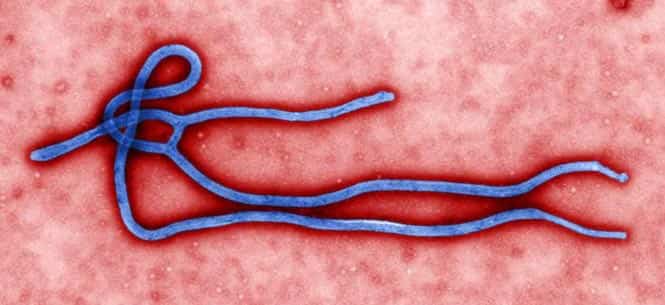
Ebola is a highly-contagious hemorrhagic virus that breaks down the epithelial cell wall of blood vessels and triggers extensive internal and external bleeding.
How do humans catch it?
From animals, through close contact with infected animals' blood, secretions, organs or other bodily fluids. The bushmeat trade (the catching and eating of wild animals), is thought to play a role in outbreaks of the disease.
How does it spread?
Once in the human population, the virus continues spreading through direct contact with blood, secretions, organs or other bodily fluids. It spreads quickly through human-to-human transmission, as family and friends care for infected people
Who are at risk?
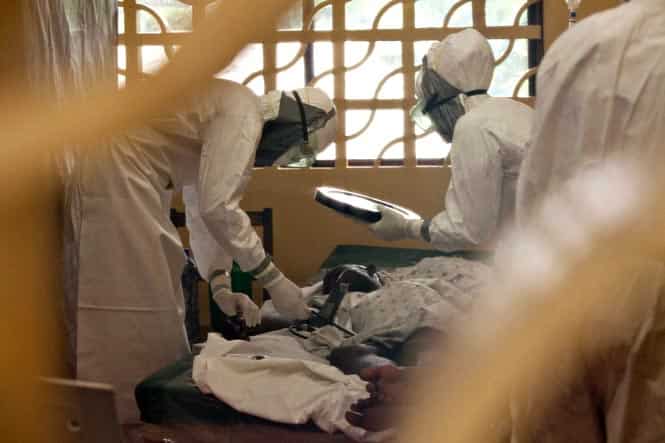
Healthcare workers and family members have frequently been infected while treating Ebola patients. The virus has also been known to spread at burials where mourners touch the body.
What are the symptoms?
Ebola is often characterised by the sudden onset of fever, intense weakness, muscle pain, headache and sore throat. This is followed by vomiting, diarrhoea, rash, impaired kidney and liver function, and in some cases, both internal and external bleeding such as from the nose or via a person’s urine.
Early symptoms such as rashes and red eyes are common, making it hard to diagnose in the early stages. Symptoms can appear from two to 21 days after exposure.
How is it treated?
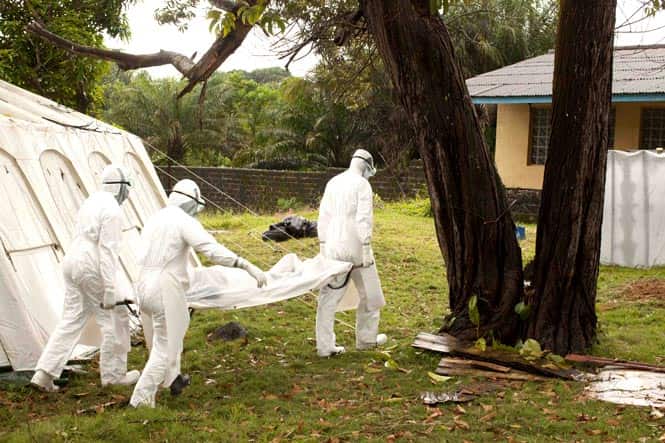
There is no specific treatment or vaccine available to people or animals. Patients believed to have caught the virus must be isolated to prevent further contagion. They can only be given supportive care to keep them hydrated. There are a handful of experimental drug and vaccine candidates for Ebola and while some have had promising results in animals including monkeys, none has been rigorously tested in humans.
What is the fatality rate?
Historically, it has a 90% fatality rate, but the current outbreak is killing 60% of those infected.
(Source: World Health Organisation, US Centers for Disease Control and Prevention)
Catch your daily dose of Fashion, Taylor Swift, Health, Festivals, Travel, Relationship, Recipe and all the other Latest Lifestyle News on Hindustan Times Website and APPs.


