
 E-Paper



Exercise mothers-to-be! You’ll have active and fit children

 Prefer HTon Google


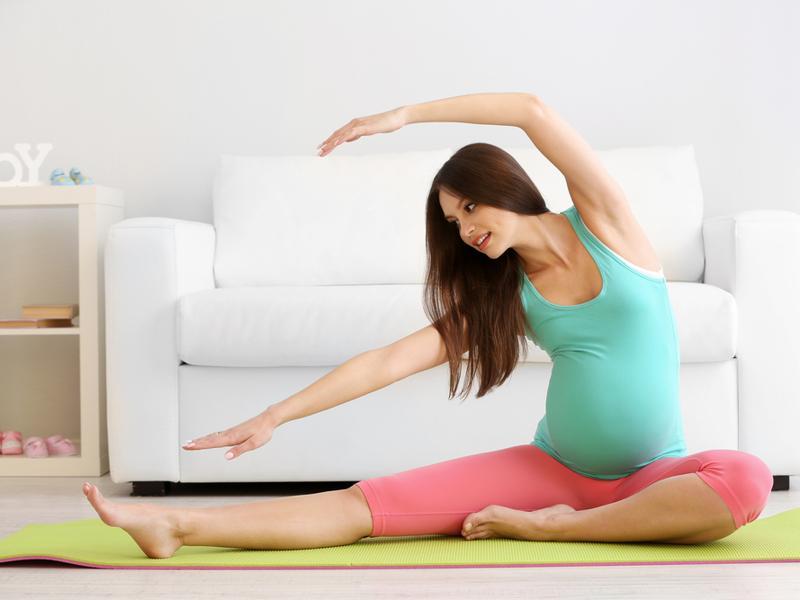
Women should exercise when pregnant to have physically active children, suggest researchers. In a study over female mice who voluntarily exercised during pregnancy, a team of scientists found that the offspring were about 50% more physically active than those born to mothers who did not exercise.
Women should exercise when pregnant to have physically active children, suggest researchers.
In a study over female mice who voluntarily exercised during pregnancy, a team of scientists found that the offspring were about 50% more physically active than those born to mothers who did not exercise.
Read: Trying to get pregnant? Better watch your caffeine intake
“Our study in a mouse model is important because we can take all those effects out of the equation. We studied genetically identical mice and carefully controlled the amount of physical activity of the mothers before pregnancy,” said senior author Robert A Waterland from Baylor College of Medicine in the US.
To reach this conclusion, the team selected female mice that all enjoyed running and divided them into two groups. One was allowed access to running wheels before and during pregnancy, and the other was not.
During early pregnancy, females with running wheels ran an average of 10 km a night. They ran less as pregnancy progressed, but even by the beginning of the third trimester they ran (or walked) about three kms each night.
Importantly, their increased activity persisted into later adulthood and even improved their ability to lose fat during a three-week voluntary exercise programme.
Read: Five deadliest infections for pregnant women
“Although most people assume that an individual’s tendency to be physical active is determined by genetics, our results clearly show that the environment can play an important role during foetal development,” Waterland added in a paper published in The FASEB Journal.
If a similar effect can be confirmed in humans, it could represent an effective strategy to counteract the current worldwide epidemic of physical inactivity and obesity.
Follow @htlifeandstyle for more.


