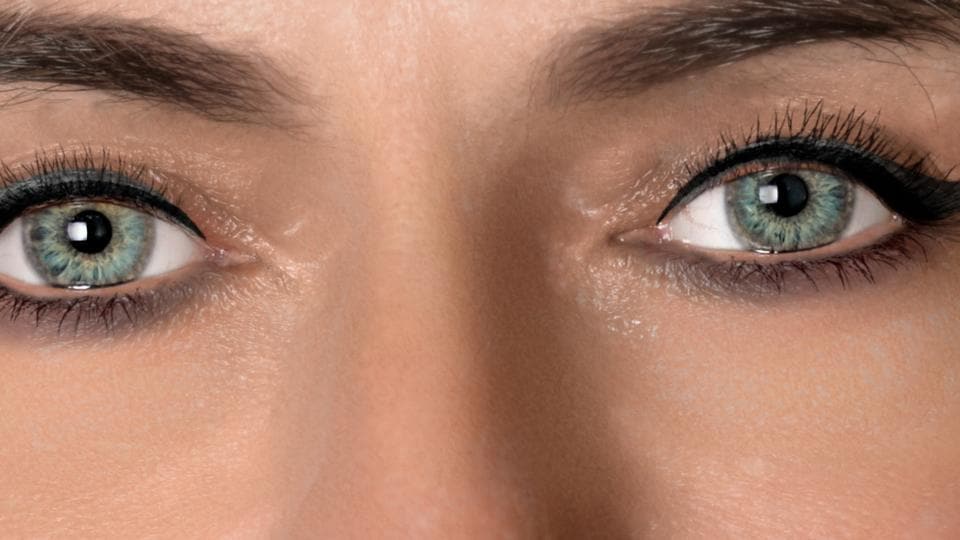
Everyone has brown eyes and there are no blue or green colour eyes in real sense, an optometrist has said. There is only one pigment for eye colour, brown. Eye colours like blue, green, hazel, etc are what people might call an optical illusion. Pigments in our body are determined by something call melanin.
“Everyone has melanin in the iris of their eye, and the amount that they have determines their eye colour,” said Dr Gary Heiting, a licensed optometrist and senior editor of the eye care website All About Vision. “There’s really only (this) one type of pigment.”
Pigments in our body are determined by something call melanin. Irises are made up of a miniature version of melanin called melanocytes, which only come in one colour, brown, CNN reported. Even though all eyes are technically brown, the amount of melanocytes varies from person to person. There’s really only one “shade” of melanin - and it’s brown!, Heiting said.
However, people with lighter eyes have less melanocytes allowing light to be more easily absorbed and reflected, making their eyes appear lighter in colour. Brown-eyed people have more melanin, less light. The opposite is true for people with “blue” eyes. Those with less melanocytes cannot absorb as much light, so more light is reflected back out of the eye, Heiting was quoted as saying by the report.
This is called scattering - and when light is scattered, it reflects back at shorter wavelengths. On the colour spectrum, shorter light wavelengths correspond with the colour blue.
 E-Paper