
 E-Paper



26-32 Covid infections per reported case, finds ICMR’s 2nd sero survey in Lancet pre-print


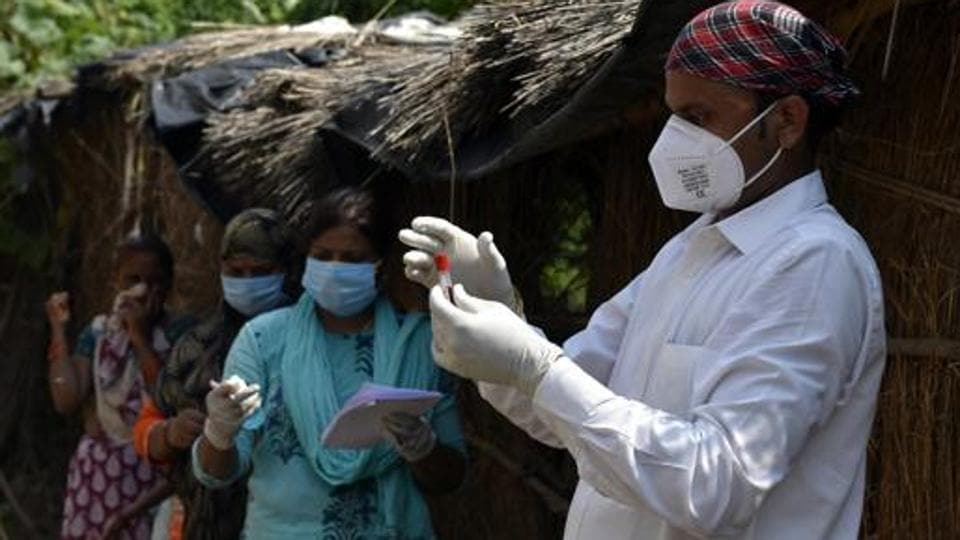
According to the sero survey, about 16% urban slum dwellers, 8% urban non-slum dwellers and 4% rural population got infected with Covid-19.
Nearly one in 15 individuals aged 10 years and above had SARS-CoV-2 infection by August 2020, with 26 – 32 infections for every reported coronavirus disease (Covid-19) case, shows result from the Indian Council of Medical Research’s (ICMR) second sero survey that has been completed, and is now available at Lancet Global Health pre-print.
“…prevalence of infection among 29,082 individuals aged ten years and above was 6·6%... Seroprevalence was similar across age groups, sex, and occupation. Seroprevalence was highest in urban slum areas followed by urban non-slum and rural areas. We estimated a cumulative 74·3 million infections in the country…,” the paper reads.
About 16% urban slum dwellers, 8% urban non-slum dwellers and 4% rural population got infected with Covid-19, it says.
ICMR’s first countrywide sero survey that was conducted between May 11 and June 4 showed overall infection prevalence to be 0.73%.
For the second survey, 29,082 individuals aged 10 years and above were covered in 700 villages of 70 districts in India during August-September, 2020.
Blood samples were tested using the Abbott SARS-CoV-2 IgG assay.
The researchers found that Covid-19 infection fatality ratio (IFR) in surveyed districts was 0.09%-0.1%. Death rate for any infectious diseases is calculated based on either IFR or case fatality rate (CFR); wherein IFR estimates the proportion of deaths among all infected individuals; and CFR estimates the proportion of deaths among identified confirmed cases.
The study found no difference in seropositivity by age, sex and occupation.
“Our findings indicate a substantial transmission in rural areas although seroprevalence continues to be higher in urban slum and non-slum areas. We also demonstrate seroconversion among asymptomatics and those without known exposure…,” it said.
Also Read: AstraZeneca plans new vaccine trial as efficacy questioned
A significantly large number of people remain asymptomatic, and the researchers finding only 3% of seropositive individuals reporting Covid-19 symptoms highlights the limitations of symptom-directed testing.
“It is always a good idea to widen the testing net to be able to pick up maximum infected cases. Increasing testing is the only way,” says Dr Lalit Kant, former head, epidemiology and communicable diseases division, ICMR.
The sero study also shows a shifting disease pattern from urban to rural areas.
Also Read: Covid-19: Preparations on to vaccinate 250-300 million Indians on priority
“The moderate national seroprevalence in India several months into the epidemic suggests a growing epidemic moving from urban to rural areas while the vast majority of the population remains susceptible to infection. Continued expansion of testing capacity and stringent application of control measures remain warranted…,” say researchers in the paper.
ICMR plans to conduct more sero surveys to get a better idea of how the epidemic was moving.
“To establish the trend it helps to keep repeating the survey. As we know today that a large number of people are unexposed and still susceptible to contracting infection,” said an ICMR scientist who is a part of the study, and did not wish to be quoted.


Catch your daily dose of Fashion, Taylor Swift, Health, Festivals, Travel, Relationship, Recipe and all the other Latest Lifestyle News on Hindustan Times Website and APPs.


