E-Paper



Larry Page and Sergey Brin met at Stanford—the rest is Google history
Global tech company Google originated from a 1995 Stanford meeting between two students, Larry Page and Sergey Brin.

 Prefer HTon Google


Google Inc. was formally born in September 1998, and went on to change how the world finds information online. But Google did not begin in a corporate office or as a grand business plan. Its origins can be traced to a Stanford University campus meeting in 1995, when Larry Page and Sergey Brin first crossed paths.
Today, Google Search is one of the most largely used gateways to the internet, and the company has expanded far beyond search into products ranging from Gmail and Maps to Android and YouTube.
The idea that set it all in motion was much narrower: could the links between webpages be used to figure out which pages were most important? To understand how Google came to be, it is worth going back to 1995 — when Page arrived at Stanford and met the man who would become his co-founder.
The day Larry met Sergey
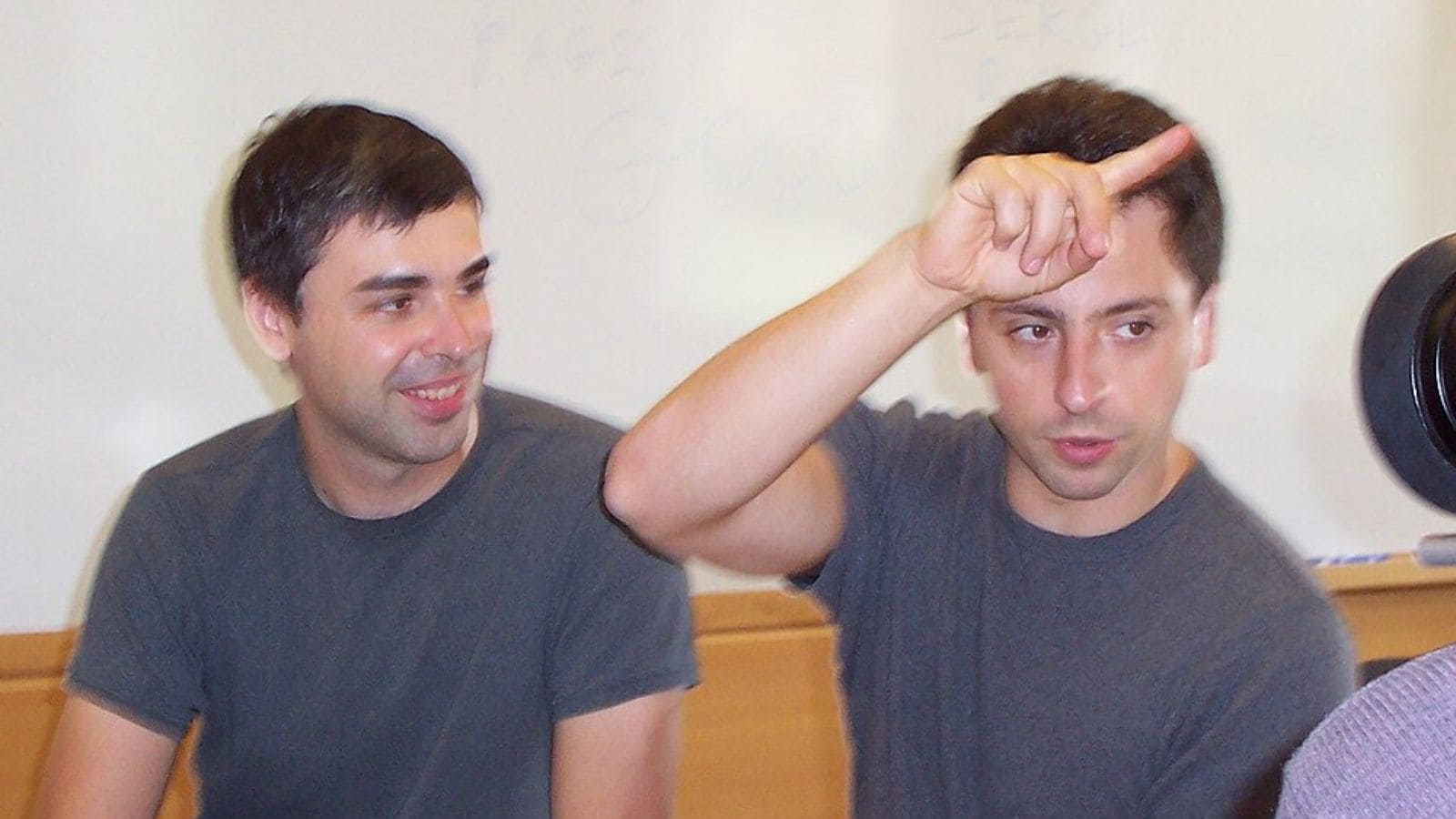
Page was considering Stanford for graduate school in 1995. Brin, already a student there, was assigned to show the prospective student around the campus.
It was not, according to some accounts, an instant meeting of minds. Google says the two reportedly “disagreed about nearly everything” during their first encounter. By the following year, Page and Brin had formed a partnership and were working together on a research project that would eventually become Google.
At the time, the World Wide Web was growing rapidly. Websites were multiplying, and finding information online was becoming increasingly difficult. Search engines already existed, but the question was no longer simply how to find webpages. It was how to decide which ones deserved to appear first.
Page became fascinated by the links connecting webpages.
Instead of viewing a hyperlink simply as a way to move from one page to another, he wondered whether links could reveal the relative importance of pages. The concept had an academic parallel: researchers often judge the significance of a paper partly by how frequently it is cited by other papers.
Page began exploring whether something similar could work on the Web. He wanted to download the Web and analyse its links, only to discover that the Web was vastly larger than he had anticipated.
![Google says Page and Brin reportedly “disagreed about nearly everything” during their first encounter. [In picture: Students walk through the Stanford University campus, March 14, 2019, AP Photo]](https://www.hindustantimes.com/ht-img/img/2026/09/04/original/Ideological-Deportation-0_1788499384297_03e2704e-86ee-40dc-a6dd-866bf05ea653.jpg "Google says Page and Brin reportedly “disagreed about nearly everything” during their first encounter. [In picture: Students walk through the Stanford University campus, March 14, 2019, AP Photo]")
Brin was drawn to the problem for a different but complementary reason. His research interests included extracting useful information from large amounts of data.
The two began working together to analyse the Web's link structure.
The result was a search engine they initially called BackRub.
BackRub's big idea
The technology behind BackRub was based on a simple but powerful premise: not all webpages, and not all links, were equally important.
Older search engines relied on a basic trick: they counted how many times a word appeared on a page. The more times a page repeated a word, the higher it ranked. This meant bad websites could easily game the system just by repeating words over and over.
Larry and Sergey took a completely different approach. They treated links like votes. If Webpage A linked to Webpage B, Webpage A was essentially giving credinility to the page. Crucially, votes from important websites counted for more.
In 1998, Page and Brin published a paper (titled The Anatomy of a Large-Scale Hypertextual Web Search Engine) explaining how this system worked. That link-counting algorithm—PageRank—became the secret sauce behind Google's success.
Also read: Google director resigns, says ‘management has lost its moral compass’
How BackRub became Google
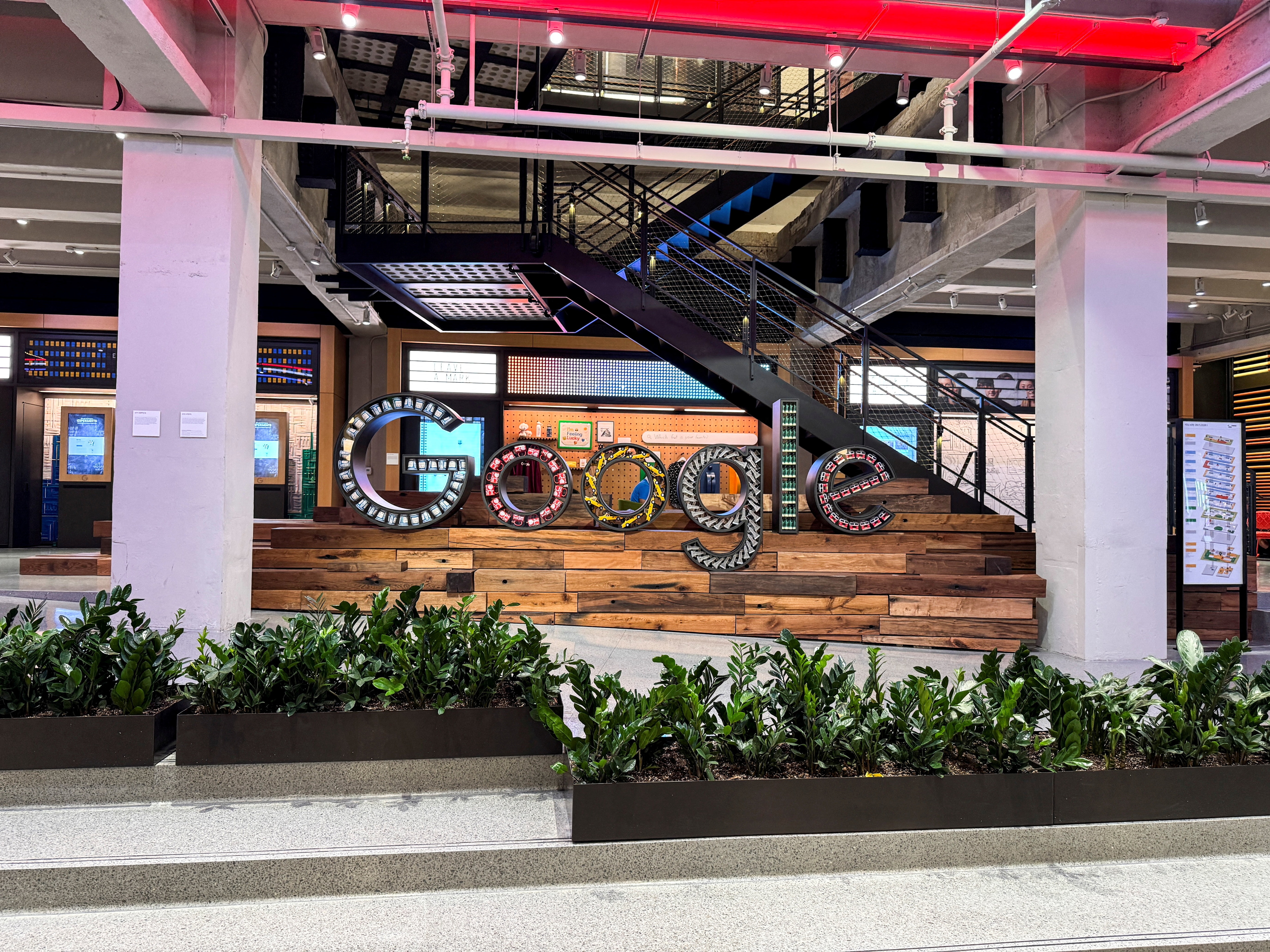
The name eventually became Google — a play on “googol”, the mathematical term for 1 followed by 100 zeros. Stanford's account of the name's origin says the word came up during discussions about possible names for the search engine.
Page’s Stanford office-mate Sean Anderson was also part of the brainstorming. Anderson suggested “googolplex”, before Page shortened it to “googol”. When Anderson checked whether the domain was available, he accidentally typed “google.com” instead. Page liked the spelling, and registered the domain in September 1997.
But having a promising search technology was one thing. Turning it into a company was another.
They tried to sell it — and were turned down
In a 2021 EBSCO research article, author Michael Adams noted that Page and Brin initially explored selling their PageRank technology to established search companies, rather than building a company of their own.
In 1998, they reportedly approached AltaVista with an offer of about $1 million. The proposal was rejected. Other companies, including Excite and Yahoo!, also turned down the opportunity.
The rejections pushed Page and Brin towards a different decision: if nobody wanted to buy the technology, perhaps they should build the company themselves.
Then they met Andy Bechtolsheim.
The $100,000 cheque
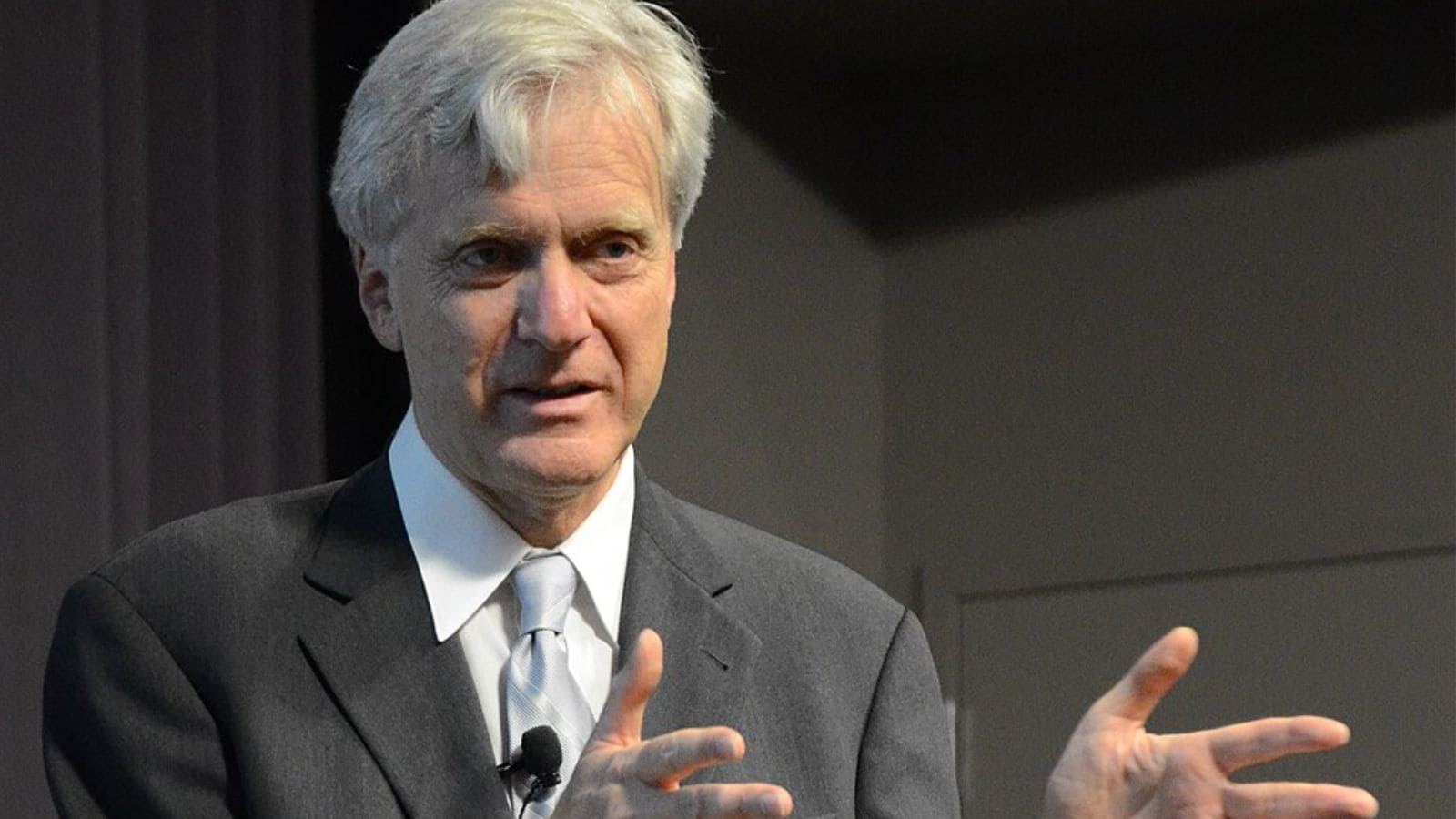
David Cheriton, a Stanford professor, helped arrange a meeting between the two students and Bechtolsheim, a co-founder of Sun Microsystems.
Bechtolsheim was impressed enough to write Page and Brin a cheque for $100,000.
There was one catch: there was no Google Inc. yet. Page and Brin subsequently incorporated the company in September 1998. Google says that Bechtolsheim's investment marked the point at which Google Inc. was officially born.
The fledgling company then moved out of the university environment and into its first office: a garage in Menlo Park, California, owned by Susan Wojcicki. Google recalls “clunky desktop computers, bright blue carpet and a ping-pong table.” Its early hardware setup was unconventional: Page and Brin built a Lego casing to house their server components.
Google continued to grow as Page and Brin expanded the team and sought more investment. In 1999, Sequoia Capital and Kleiner Perkins provided $25 million in funding. The company's search traffic climbed rapidly. EBSCO records Google handling roughly 500,000 daily queries in 1999 and about 200 million a day by 2004.
Google also developed an advertising model that helped finance its expansion while maintaining a relatively uncluttered search experience. The company's early philosophy was to keep advertising separate from the fundamental task of returning useful search results.
Google becomes much more than Search
The initial public offering (IPO) went live and stock began trading on the Nasdaq on August 19, 2004, according to Forbes report. The IPO accelerated Google's growth, but Search remained its foundation.
The company expanded into Images, News, Maps and other information services. Gmail took Google into email, while the 2006 acquisition of YouTube gave it a major presence in online video. Android later extended Google's reach into smartphones.
In 2015, Google became the principal subsidiary of Alphabet, as the founders reorganised the expanding company under a larger corporate structure.
The journey had taken Google a long way from Stanford.