
 E-Paper



How strategic infrastructure development is reshaping urban expansion
This article is authored by Samiya Khanum, general manager, Signature Dwellings Pvt. Ltd.

 Prefer HTon Google


Urban growth rarely happens by accident. Across rapidly expanding cities, patterns of housing, employment and mobility tend to follow a predictable sequence: where infrastructure development leads, urban life soon follows. This relationship is once again becoming visible as emerging corridors on the outskirts of major metropolitan regions begin to attract attention for their long-term potential. As central zones mature and become saturated, the next phase of expansion is increasingly being shaped by connectivity, employment ecosystems and coordinated civic planning rather than by speculative spillover.
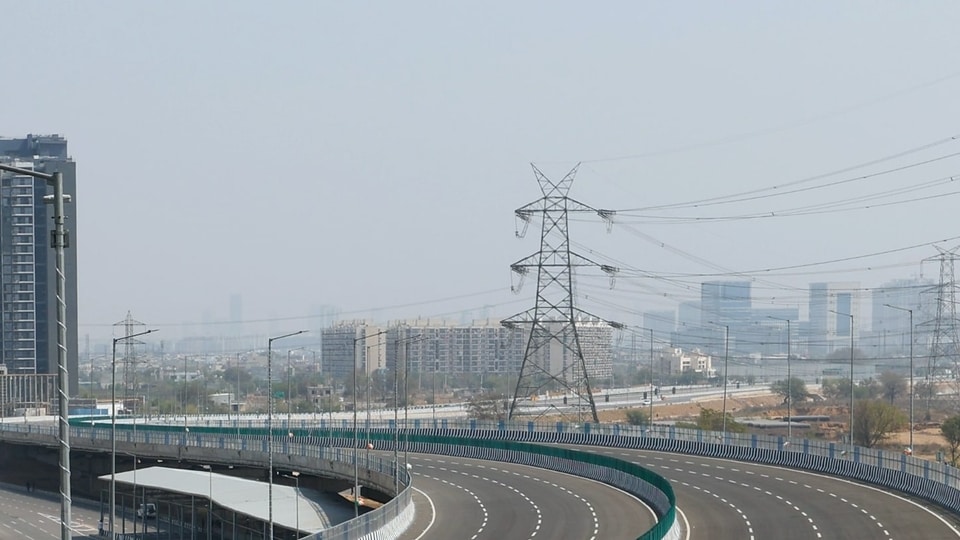
Historically, the most significant appreciation cycles in large Indian cities have aligned closely with improvements in transport and connectivity. When technology corridors expanded and ring roads improved access to new districts, residential clusters and commercial ecosystems followed. The same logic continues to apply today, but with greater emphasis on integrated planning. Infrastructure development is no longer limited to a single road or rail line; it now involves layered systems of mobility, employment and civic amenities that collectively define how a region will function over time. Strategic national highways such as NH-844 are also contributing to this transformation by improving inter-city access and strengthening the integration between emerging corridors and established economic centres.
One of the most significant drivers of emerging urban corridors is transit connectivity. Reliable and predictable commuting has become as important as physical distance. As professionals increasingly work across multiple zones, including cross-border industrial and technology clusters, the value of structured mobility grows. Rail-based connectivity, particularly metro links, plays a crucial role in reducing dependence on congested highways and offering consistent travel times. When metro corridors are proposed or extended into peripheral areas, they tend to reshape perceptions of distance and accessibility, turning previously overlooked regions into viable urban extensions.
At the same time, large-scale road upgrades continue to support regional integration. Government-backed highway expansions, arterial road improvements and last-mile connectivity projects create networks that link emerging corridors to established employment centres. Corridors supported by highways like NH-844 benefit from smoother freight movement and improved daily commuting efficiency, further enhancing their long-term viability. Such multi-layered transport planning often signals long-term intent rather than short-term market fluctuations. When infrastructure development is coordinated across rail, road and urban planning authorities, it suggests that growth is being guided by structured vision rather than fragmented expansion.
Employment ecosystems remain the anchor around which sustainable urban growth is built. Housing demand tends to stabilise when it is supported by a diverse base of jobs rather than a single industry. Corridors located within reach of major IT hubs, industrial zones, manufacturing clusters and startup ecosystems benefit from this diversification. When technology parks, logistics centres and innovation districts converge within a reasonable commuting radius, they create a stable demand base that supports both residential and commercial expansion. This diversification reduces vulnerability to sector-specific downturns and strengthens the long-term viability of emerging urban belts.
Large-scale planned industrial and mixed-use developments further enhance this dynamic. Proposed industrial cities and integrated urban ecosystems often generate employment across multiple sectors, from manufacturing and logistics to technology and services. Such developments tend to act as catalysts for surrounding regions, attracting businesses, workers and support services. Over time, they can transform peripheral corridors into self-sustaining micro-markets where employment, housing and amenities coexist in a more balanced manner.
Civic and social infrastructure also plays a significant role in shaping regional identity. Large public venues, sports facilities and cultural institutions can act as anchors that stimulate surrounding activity. When combined with transport and employment planning, these civic investments contribute to the formation of cohesive urban environments rather than fragmented settlements. Retail, hospitality and leisure ecosystems often emerge around such anchors, gradually reinforcing the attractiveness of the corridor as a place to live and work.
Another important factor in emerging corridors is timing. Early phases of infrastructure development often present opportunities for planned growth before saturation sets in. As connectivity improves and employment hubs expand, areas that were once considered peripheral begin to integrate more closely with the metropolitan core. Over a mid-term horizon of five to eight years, corridors demonstrating coordinated infrastructure and economic activity frequently transition into established urban belts. While timelines depend on execution and demand cycles, the presence of visible infrastructure pipelines tends to build confidence in long-term prospects.
For homebuyers and investors, this evolving geography requires a shift in perspective. Rather than focusing solely on established central districts, attention is increasingly turning towards corridors that combine infrastructure visibility with employment proximity. The appeal lies not only in potential appreciation but also in the promise of improved liveability through better mobility and planned civic amenities. Early alignment with infrastructure development can offer both functional advantages and long-term relevance as cities continue to expand outward.
Ultimately, the growth of new urban corridors reflects a broader transformation in how cities evolve. Expansion is no longer defined simply by outward sprawl but by structured networks of transport, employment and civic infrastructure that shape where and how people choose to live. As infrastructure development continues to guide the next phase of urbanisation, emerging corridors supported by connectivity frameworks such as NH-844 are likely to play a defining role in the future geography of metropolitan regions, offering a glimpse into how planned connectivity can reshape the contours of urban life.
This article is authored by Samiya Khanum, general manager, Signature Dwellings Pvt. Ltd.


