
 E-Paper



Free voting, public confidence and fair conditions shape the future of democracy
This article is authored by Kriti Mehta, senior journalist and political analyst.

 Prefer HTon Google


Elections are often judged by their results, yet the deeper health of a democracy is revealed long before the final count begins. It can be seen in who turns up, how freely they vote and whether citizens believe their participation carries genuine meaning. High voter turnout is not merely a statistic to be celebrated on polling day. It is often a sign that people feel invested in the future of their society and confident enough to shape it through the ballot box.
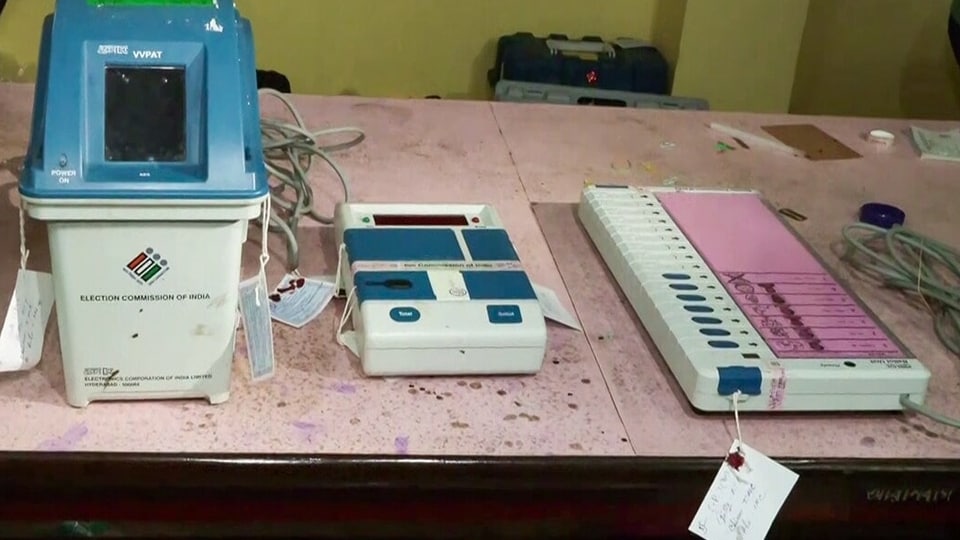
Participation, however, does not exist in isolation. The conditions under which citizens vote are just as important as the number who do so. A large turnout achieved in an atmosphere of fear, coercion or intimidation carries a very different meaning from one recorded in a secure and orderly environment. Democracies are strengthened not only when people vote, but when they can do so without anxiety, obstruction or pressure. The quality of participation matters as much as its scale.
This is why the conduct of elections remains one of the most important tests of public institutions. Administrative preparedness, impartial enforcement of rules and visible security arrangements all help create confidence in the process. When institutions demonstrate that disorder will not be tolerated and that voters can reach polling stations safely, they perform a vital democratic function. Elections depend not simply on laws written in constitutions, but on the practical ability of the State to uphold those laws on the ground.
Reducing political violence is central to that effort. In many democracies, elections have at times been accompanied by clashes, intimidation and localised disruption. Such conditions do more than create headlines; they distort representation itself. Citizens who fear confrontation may stay home, vulnerable groups may be silenced and political choices may become shaped by risk rather than preference. A peaceful election, therefore, is not only calmer, but fairer. It allows the ballot to replace the threat.
One of the clearest effects of a safer environment is broader inclusion. Women voters, older citizens and first-time participants are often more affected by local tensions and insecurity. When those barriers are lowered, participation expands beyond the most determined or politically connected sections of society. This matters because democracy is strongest when it reflects the widest possible range of voices. A polling station that welcomes all citizens equally becomes more than a voting venue; it becomes a symbol of belonging.
Yet institutions alone do not determine outcomes. Political parties also play a crucial role in translating public interest into active participation. Modern elections are increasingly shaped by organisation at the grassroots level. Booth committees, volunteer networks, neighbourhood outreach and sustained voter contact often matter more than dramatic speeches or large rallies. Successful campaigns are frequently built through patient local work rather than momentary spectacle.
For example, parties such as Bharatiya Janata Party and All India Trinamool Congress have demonstrated how organisational strength, welfare messaging and local mobilisation can become decisive factors in competitive elections.
A level playing field is, therefore, essential. If one party or another faces disruption, fear or unequal access to voters, the contest becomes distorted. Fair elections require not only neutral rules but also practical equality in campaigning conditions. When all sides can mobilise supporters, communicate ideas and bring voters to the polls without obstruction, the result is more likely to reflect genuine public will.
Even in the best-administered elections, however, turnout is shaped by larger political concerns. Citizens do not vote only because the process is smooth; they vote because they care about the issues at stake. Governance, corruption, employment, law and order, inflation and economic opportunity remain among the most powerful drivers of electoral behaviour. Where governments are seen as responsive and effective, incumbents may be rewarded. Where frustration has accumulated, opposition forces may gain momentum.
High participation can, therefore, signal moments of transition. When unusually large numbers of citizens decide to vote, it may indicate that public opinion is shifting or that previously disengaged groups now feel compelled to act. Such moments often carry historical significance because they reveal not just temporary enthusiasm, but changing expectations about leadership and governance.
Still, no election should be reduced to a single explanation. Security measures matter, but so do public grievances. Party organisation matters, but so does trust in institutions. Campaign messages matter, but so do lived experiences. Democracy is shaped through the interaction of all these forces at once. That is why elections remain both unpredictable and deeply revealing.
Ultimately, the true power of participation lies in what it represents. A citizen casting a vote in safety and confidence is expressing more than a preference between parties. They are affirming that their voice counts, that political authority must answer to the public and that change can occur through peaceful means. When participation expands under fair conditions, democracy becomes more than a system of government. It becomes a shared act of collective confidence in the future.
(The views expressed are personal)
This article is authored by Kriti Mehta, senior journalist and political analyst.


