
 E-Paper



Asthma, influenza and the power of prevention
Authored by - Dr Randeep Guleria, chairman, Institute of Internal Medicine & Respiratory and Sleep Medicine and director, Medanta Medical School, Gurugram.

 Prefer HTon Google


For people living with asthma, the flu is often more than just a few days of fever and fatigue. It can trigger worsening breathlessness, persistent coughing and severe asthma attacks that may require emergency treatment or hospitalisation. Preventing respiratory infections is therefore an important part of maintaining stable asthma control throughout the year.
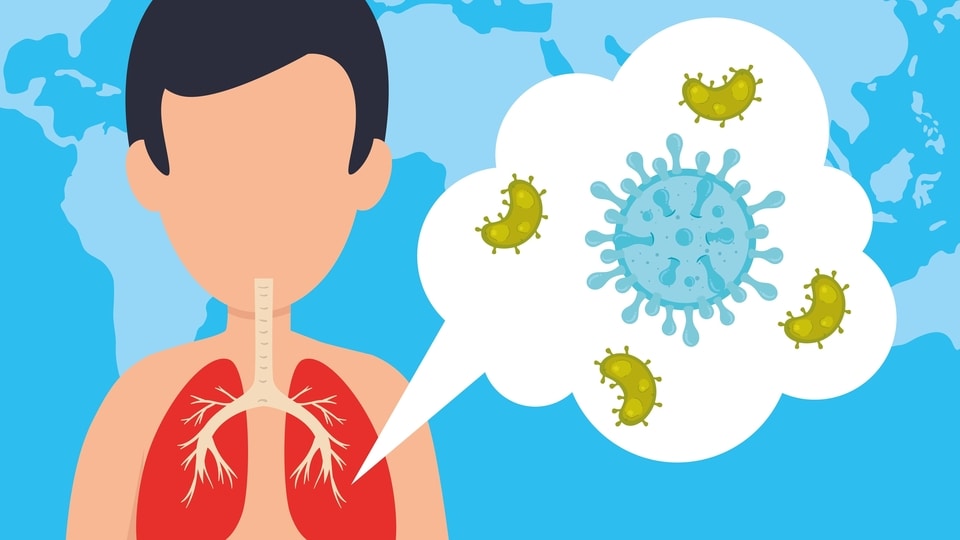
Asthma remains under-recognised in India despite affecting millions of people. Findings from the Indian Global Asthma Network study revealed that nearly 82% of individuals who experienced current wheeze remained undiagnosed, while about 70% of those with severe asthma symptoms had not been diagnosed with asthma. This means many people may be living with symptoms for years without understanding the underlying condition or the steps they can take to better protect their respiratory health.
People who frequently wheeze during colds, use inhalers regularly, have a history of chest infections or pneumonia, or are older adults living with asthma should pay particular attention to respiratory infection prevention.
One of the biggest concerns for people with asthma is not the infection itself, but what the infection can trigger. Influenza is a well-known cause of asthma flare-ups because it increases inflammation in already sensitive airways. Even individuals who usually have good symptom control can experience sudden worsening of asthma following influenza infection.
These flare-ups can have consequences far beyond temporary discomfort. Severe asthma attacks may require oral steroids, unscheduled doctor visits, emergency care and hospitalisation. They can also take weeks to fully recover from, affecting quality of life-long after the infection has resolved. This is where prevention becomes especially important.
While inhalers remain the foundation of asthma treatment, they cannot prevent influenza infection. Vaccination offers an additional layer of protection by helping reduce the likelihood of influenza and its impact on respiratory health. Research has shown that influenza vaccination substantially reduces the risk of influenza in people living with asthma.
Importantly, evidence suggests that improving influenza vaccine uptake could help reduce influenza-triggered asthma attacks, one of the most common causes of symptom worsening and loss of asthma control. Respiratory infections can lead to increased airway inflammation, making asthma symptoms more difficult to manage and increasing the risk of severe exacerbations. While vaccination cannot prevent every respiratory illness, it can help reduce exposure to a trigger that frequently contributes to asthma flare-ups.
For people living with asthma, avoiding exacerbations is often just as important as controlling day-to-day symptoms. Fewer influenza-triggered asthma attacks can mean less wheezing, breathlessness, chest tightness and persistent cough. This may translate into reduced reliance on rescue medications, fewer unscheduled health care visits and a lower likelihood of hospitalisation. Beyond the clinical benefits, preventing flare-ups can help people stay engaged in their daily activities, whether at work, school or home, without the disruption that often accompanies worsening asthma symptoms.
Asthma management is not only about treating symptoms when they occur; it is also about preventing the triggers that can lead to serious exacerbations. Along with prescribed medications, trigger avoidance, regular follow-up and healthy lifestyle habits, annual influenza vaccination should be viewed as an important component of preventive asthma care. Protecting against influenza helps strengthen a broader strategy aimed at maintaining stable asthma control throughout the year.
Ultimately, the greatest benefit of influenza vaccination for many people with asthma may not simply be avoiding influenza itself, but avoiding the asthma flare-up that influenza can trigger. By helping reduce one of the most common causes of exacerbations, vaccination can support better long-term symptom control, fewer hospital visits and an improved quality of life, allowing people with asthma to live with greater confidence and stability year-round.
(The views expressed are personal)
This article is authored by Dr Randeep Guleria, chairman, Institute of Internal Medicine & Respiratory and Sleep Medicine and director, Medanta Medical School, Gurugram.


