
 E-Paper



50 panchayat body representatives resign over 2 BSF camps in Chhattisgarh
Thousands of people from about 103 villages started a protest in Pakhanjore in Kanker, demanding that the BSF camps be moved out.

 Prefer HTon Google


At least 50 representatives of panchayat bodies, including 38 sarpanchs, have resigned protesting against the opening of two Border Security Force (BSF) camps in Koliabeda area of Kanker district on Sunday.
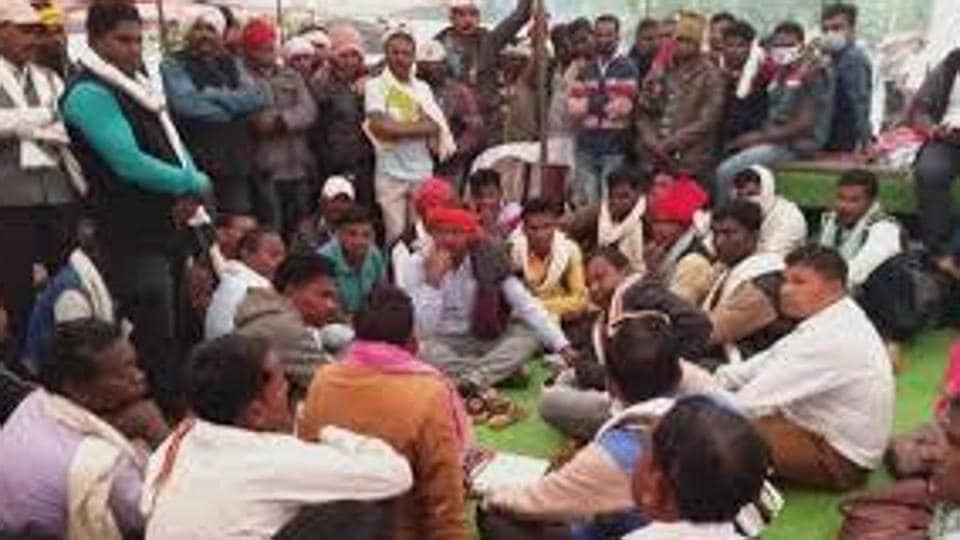
They have been protesting against the camps since Wednesday. Thousands of people from about 103 villages started a protest in Pakhanjore in Kanker, demanding that the BSF camps be moved out.
The tribals allege that the area falls under the Panchayat Extension to Scheduled Areas (PESA) Act and permission of gram panchayat was not taken by the government before establishment of these, also that it encroaches upon the place of local tribal deities.
“Since Wednesday, we have been protesting here but nothing positive came out. Senior officials came for talks but they have not given any assurance. On Sunday, at least 38 sarpanchs, seven Janpad panchayat members, one deputy sarpanch and one zila panchayat member submitted their resignations and demanded action,” Tillu Ram Usendi, a tribal leader, told HT.
The villagers claimed that they have no problem with the camps, but they are being put up at a place where their deities reside.
“The camps of Katgaon and Kamdera are affecting the tribals’ faith. We are demanding that the camps should be removed from the area because it comes under the PESA Act and permission of villagers is needed,” said Lachhhu Gavade, a villager protesting in Pakhanjur.
The villagers also submitted a memorandum to the Governor and local administration, demanding removal of the camps.
Bastar police claimed that the Maoists are forcing the innocent tribals to protest against camps because they are losing their ground.
Senior officials said that in the year 2020, the government established 16 new base camps in the erstwhile stronghold areas of Maoists in Bastar Range. The BSF camps in Katgaon and Kamdera are among these 16 newly established camps, which they say would be a game changer for peace and development of the region.
“Out of fear of losing ground in the core area, Maoists try to misguide the local population and pressurise them to protest against the security forces. But people have started realising that the security forces are there for the well being of the native population. During camp establishment, we take care of all local sentiments and gradually bridge the gap between the security forces and the local population,” said IG Bastar Sunderaj P in a statement issued to the media.
“Surely people for whose ‘security’ these camps are ostensibly set up should have a say in the matter? The protesters are right in reminding the government that their land falls under the Fifth Schedule of the Constitution of India and the spirit of the PESA Act of 1996 clearly gives them a right to say ‘No’ through gram sabhas,” said Bela Bhatia, a human rights activist, based in Bastar.
Kanker Collector Chandan Kumar said the issue would be resolved soon and claimed that “prima facie, it seems the villagers have been staging protesting under pressure from “violent forces”.
-kW0H-U20214218012MgB-250x250%40HT-Web.jpg)


