E-Paper



Aircraft due to fly cheetahs from Namibia to land in Gwalior instead of Jaipur
Officials said the trial run of shifting the cheetahs from Gwalior’s Maharajpur Airforce base was carried out on Thursday.


The customized Boeing 747-400 aircraft due to fly eight cheetahs from Namibia’s Windhoek will now land in Gwalior instead of Jaipur to cut down on the flying time for the big cats before they are taken to Madhya Pradesh’s Kuno National Park, around 200 kilometers away, on Indian Air Force helicopters.
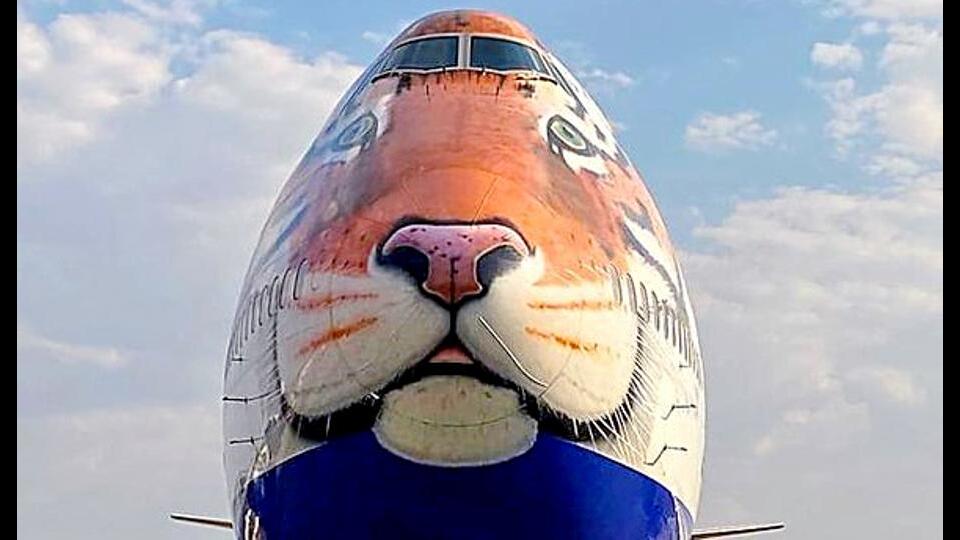
Officials said the trial run of shifting the cheetahs from Gwalior’s Maharajpur Airforce base was carried out on Thursday.
The cheetahs are being flown from southern Africa for their reintroduction in India seven decades after the species was declared extinct in the country in 1952. India’s last cheetah died in Koriya in what is now Chhattisgarh in 1948.
The cheetahs are scheduled to arrive in Gwalior around 7am on Saturday, said National Tiger Conservation Authority secretary S P Yadav. He added the route of their flight was changed as Gwalior is closer to Kuno compared to Jaipur, which is around 300 kilometers away, and will save time.
Yadav said Prime Minister Narendra Modi will release the cheetahs into a 50x30 meter enclosure where they will be quarantined for a month. “Eight cheetahs including five females and three males are coming...”
Veterinary wildlife specialist Adrian Tordiffe accompanying the cheetahs said they were fed on Thursday and will not eat again until they are in India. “When we land in India, we will just transfer them from the plane to the Air Force helicopters that will take them directly to Kuno.”
The Madhya Pradesh forest department released spotted deer, a four-horned antelope, sambar, and baby nilgai in the enclosure. “The cheetahs eat once in two to three days. So after their arrival in Kuno, they can kill the prey on Saturday or Sunday,” said a forest official.
Humans will be banned from going closer to the enclosure for a month and it will be covered with green curtains for the safety of animals from infections, the official added.