E-Paper



BJD steps up attack on ECI, says it will approach high court on discrepancies
The BJD plans to approach the Orissa high court over alleged discrepancies in 2024 election data, citing unaddressed concerns to the Election Commission.

 Prefer HTon Google


Bhubaneswar: The Biju Janata Dal (BJD) on Monday said it would approach the Orissa high court over alleged discrepancies in election data relating to the 2024 Lok Sabha and state assembly elections.
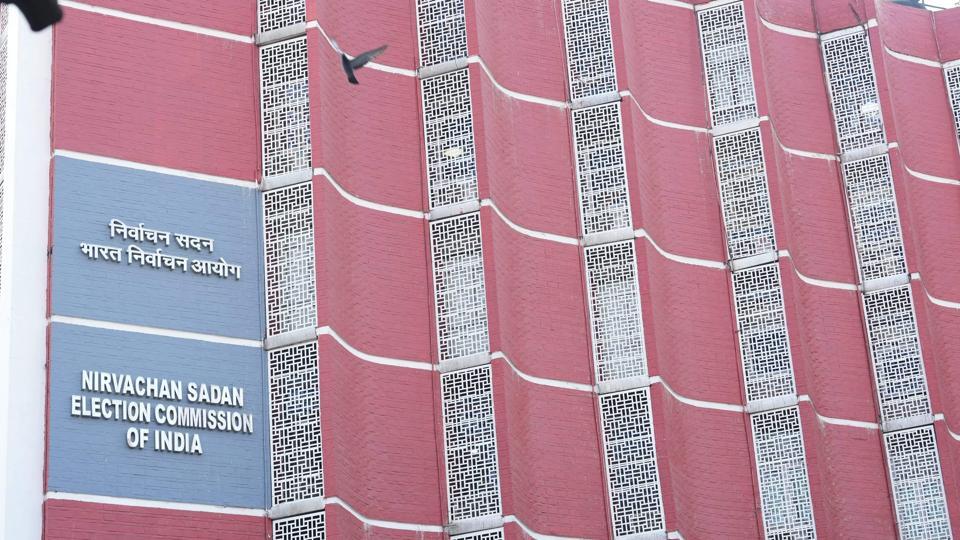
BJD spokesperson Amar Patnaik said the party had submitted a memorandum to the Election Commission of India in December last year highlighting “serious discrepancies” in the 2024 election data but hadn’t received a satisfactory response.
“Eight months have passed, and the Election Commission has failed to address our concerns or provide satisfactory answers. We would soon move high court on these discrepancies,” said Patnaik.
The former Rajya Sabha MP stated that the BJD identified three major inconsistencies in the 2024 elections, based on their analysis of ECI data.
Across Odisha’s 21 parliamentary constituencies, the number of votes counted exceeded those recorded in the Electronic Voting Machines. “We cited a discrepancy of 682 votes in Booth No. 57 of the Phulbani assembly constituency and variations of 660 and 784 votes in booths of the Talsara assembly constituency. Similarly, the total votes in Lok Sabha constituencies did not align with the combined votes of their constituent assembly segments. There was a variation of 4,056 votes in Dhenkanal, 3,521 in Kandhamal, 2,701 in Bolangir, and 677 in Jajpur where the election was decided by a mere 2,000-vote margin,” said Patnaik.
BJD legislator Dhruba Sahoo said there had been a “shocking” increase in voting percentages reported after the official close of polling, ranging from 7% to a high of 30%. “In 50% of Odisha’s assembly seats, this discrepancy was between 15% and 30%, with Keonjhar — where chief minister Mohan Charan Majhi contested — recording a 30.64% difference, the highest in the country,” he alleged.
Patnaik questioned how such variations could occur in an era of advanced EVMs and telecom networks, noting that discrepancies in 2004 elections were below 2%.
“If votes from mock polls were not deducted, as the ECI claims, that’s a criminal offence,” he asserted, rejecting the commission’s explanation that faulty EVMs or pending litigation in 28 constituencies prevented the release of Form 17C (a critical document recording votes polled).
“Even constituencies not under litigation have not received these forms,” he said, reiterating the BJD’s demand for a comprehensive audit of the electoral process — from voter list preparation to vote counting — by independent auditors or the Comptroller and Auditor General.
BJD also called for 100% verification of Voter Verified Paper Audit Trail (VVPAT) slips with EVM counts, instead of the current 5% mandate, and a 30-day deadline for providing Form 17C and VVPAT slips to citizens upon request. “Such mechanisms exist in developed democracies. Why not in India?” Patnaik asked.