
 E-Paper



Cases involving stray animals, bird hit rise over five years
Indian airports have recorded a steady increase in number of bird hits and aircraft run-ins with stray animals over at least the past five years, according to official data.


Indian airports have recorded a steady increase in number of bird hits and aircraft run-ins with stray animals over at least the past five years, according to official data, illustrating the potential safety risks and losses the aviation industry confronts from such accidents as the fleet of planes operated by domestic airlines expands rapidly.
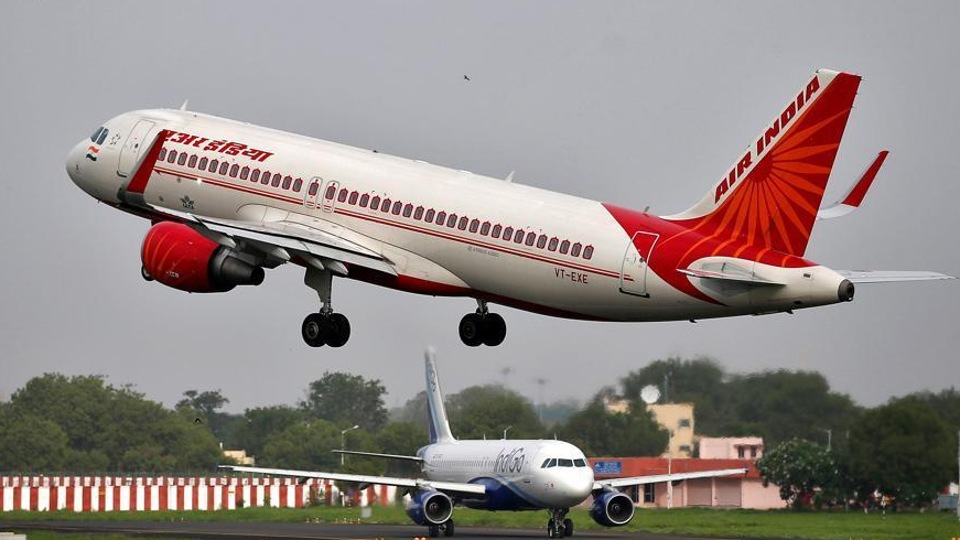
In 2018, the number of bird hits and animal strikes was 1,244, compared with 1,125 in 2017, 839 in 2016, 764 in 2015 and 719 in 2014, according to Directorate General of Civil Aviation (DGCA) data provided in response to a Right to Information (RTI) application filed by Hindustan Times.
“The correct way is to see the strike rate per 10,000 movements. It was 4.82 in 2018, down from 4.98 in 2014,” a DGCA official said on condition of anonymity.
The strike rate is a measure of the number of bird hits and animal strikes per 10,000 aircraft movements and it reflects the expansion of air traffic in India and airline fleets. In 2014, Indian carriers had 410 aircraft with 8.41 lakh flights operating in 2013-14. In 2017-18 the aircraft traffic increased to 13.01 lakh while total aircraft with Indian carrier were 620. The strike rate was 4.86 in 2015, 4.57 in 2016, 4.71 in 2017 and 4.82 in 2018.
Such incidents cause considerable losses to the airline industry besides posing a threat to passenger safety, experts say. As per a rough estimate by DGCA, airline industry loses around ~15-20 crore annually due to bird hits.
“Bird hit happens because of poor waste management in the city. If both engines took a bird strike, it will be catastrophic,” said Mark Martin, CEO of Dubai based Martin consulting.
In July 2018, an Air India flight from Singapore to Chennai suffered a bird hit during landing leading to damage of flight’s radar dome. In June 2017, GoAir’s Delhi-Mumbai flight made an emergency landing after it suffered a bird strike.
DGCA refused to share airport- wise data, but Delhi and Mumbai airports are most at risk because, besides being India’s busiest airports, their surroundings have piles of garbage that attracts stray animals and birds, people familiar with the situation said on condition of anonymity.
“While recognizing this safety threat, we are closely monitoring the wildlife activities at all airfields and have made it as one of the safety priorities,” the DGCA official cited above said.


